Ghanaian Socialite’s US Extradition Tests 1931 Treaty as Africa Grapples with Transnational Crime
 Uchechi Okporie
Mar 27, 2026
4 min read
Uchechi Okporie
Mar 27, 2026
4 min read
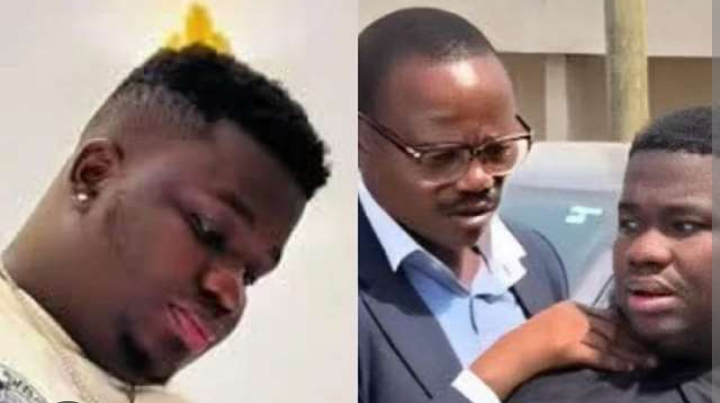
A Ghanaian court has cleared the way for the extradition of Frederick Kumi, a prominent socialite known as “Abu Trica,” to the United States on charges linked to an $8 million romance fraud ring a ruling that legal observers say could set a precedent for how African nations navigate extradition requests in an era of digitally enabled, cross-border crime.
The Gbese District Court on Friday granted a U.S. request to surrender Kumi, who faces conspiracy to commit wire fraud and money laundering.
Prosecutors allege he was part of a network that used artificial intelligence to create fake identities, targeting elderly victims across Ohio and other U.S. states between 2023 and 2025.
However, the court granted Kumi’s legal team 15 days to file a habeas corpus application, delaying any immediate transfer.
His lawyers have already signaled they will challenge the ruling, arguing that the 1931 extradition treaty between Ghana and the United States does not explicitly list wire fraud or money laundering as extraditable offenses.
“Extradition processes are usually very fast, but we’ve managed to delay it slightly to protect his interests,” said Rosemary, a member of Kumi’s defense team. “We believe that when we file the habeas corpus, we’ll be able to present our arguments fully and explain why Frederick cannot be extradited.”
The case has drawn intense public interest across Ghana and beyond, highlighting the growing legal and diplomatic complexities African nations face as they become hubs for and victims of sophisticated transnational financial crimes.
For a continent where many countries maintain extradition treaties dating back to the colonial era, the outcome could influence how courts interpret outdated agreements in light of modern criminal methods.
“The defence’s argument strikes at a fundamental question: can a treaty signed in 1931, which predates the internet, wire transfers, and AI, be used to extradite someone for crimes that didn’t exist at the time?” said a legal analyst in Accra who requested anonymity to speak freely on the matter.
Related Posts

EBSU Students Raise Alarm Over Persistent ABS Failures During Exams
Students at Ebonyi State University (EBSU) are demanding urgent fixes after repeated failu...

BREAKING NEWS: Fuel Price Surge Pushes Nigeria’s Food Inflation to New Highs as Lagos Markets Feel the Strain
Food prices in Lagos continue to climb sharply as rising fuel costs place increasing press...
Breaking: Seven Chadians Kidnapped in Niger — One Dead in Boko Haram Attack
Suspected fighters from the Islamist militant group Boko Haram have abducted seven Chadian...
BREAKING: Nigeria Approves $6B Foreign Loans to Bolster Budget, Upgrade Ports
The Nigerian Senate has swiftly approved President Bola Ahmed Tinubu’s request for $6 bill...
“If the court ultimately sides with the defence, it could create a roadmap for others to challenge extraditions based on treaty interpretation rather than guilt or innocence.”
U.S. authorities have unsealed an indictment alleging that Kumi’s network used AI-generated personas to cultivate relationships with senior citizens on social media and dating platforms, persuading them to send money and valuables under false pretenses.
The indictment also claims he facilitated the transfer of funds from Ohio to accomplices in Ghana and elsewhere.
The case has already seen legal twists. Kumi was initially arrested in December 2025, then discharged in January 2026 when the state withdrew earlier charges.
He was quickly re-arrested by Ghana’s Narcotics Control Commission as prosecutors filed fresh charges of money laundering and conspiracy to defraud.
The district court on Friday also dismissed defence claims of political motivation and entrapment, signaling judicial support for the extradition’s validity.
For the global African communityfrom the continent to the diaspora the case is being watched as a barometer of Ghana’s commitment to international law enforcement cooperation, as well as the extent to which African nations will hold their own citizens accountable for crimes that disproportionately affect vulnerable populations abroad.
As the 15-day window for legal manoeuvring begins, the case stands at the intersection of justice, sovereignty, and the legacy of colonial-era treaties in a digital age.
Related Posts
Uchechi Okporie
Mar 31, 2026
BREAKING: Tinubu Seeks Senate Approval for Major $5 Billion Foreign Loan Amid Economic Strain
Nigeria’s President Bola Ahmed Tinubu has formally requested the Senate’s approval to secure a $5 billion foreign loan, a move that places renewed attention on the country’s growing debt burden and the administration’s strategy for stabilising Africa’s largest economy.
Uchechi Okporie
Mar 31, 2026
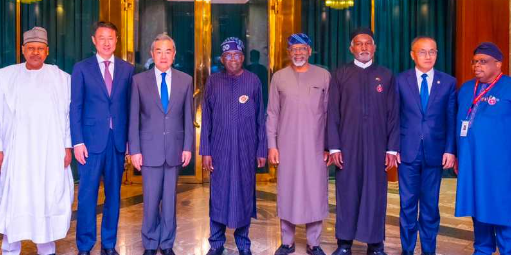
Why Tinubu’s Foreign Minister Resigned
Nigeria’s Minister of Foreign Affairs, Yusuf Tuggar, resigned from office on March 30, 2026, as part of a planned political transition tied to the 2027 general elections.
Trending
Apr 11, 2026
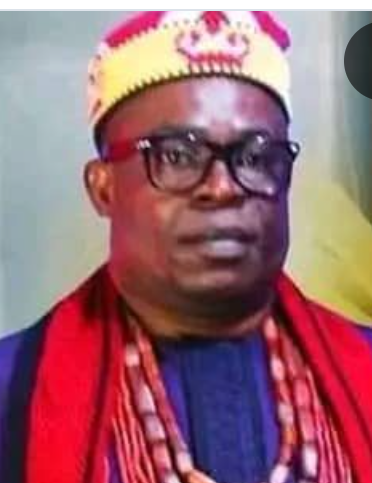
BREAKING NEWS: Gunmen Kill Imo Monarch, Five Others, Burn Bodies in Deadly Ambush
Uchechi Okporie
Apr 12, 2026
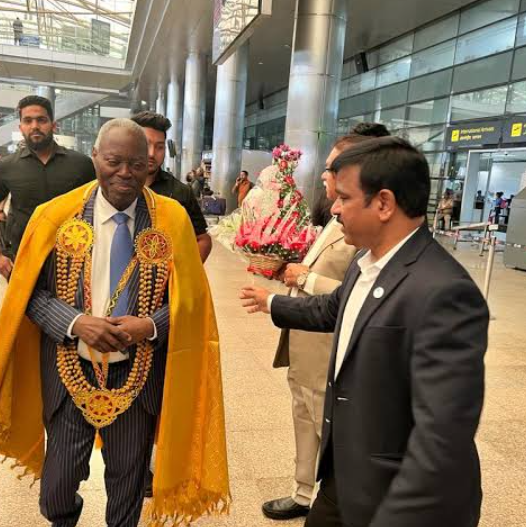
BREAKING NEWS: He Gave Up Everything… What Followed Is Shaking Thousands Right Now
Uchechi Okporie

Apr 13, 2026
Tragedy in Northeast Nigeria as Airstrike Hits Civilian Market, Reportedly Kills 200 People - Reuters Reports
Uchechi Okporie

Apr 10, 2026
Togo Positions Port of Lomé as Alternative for Global Trade Amid Rising Tensions in Strait of Hormuz
Uchechi Okporie
Apr 10, 2026
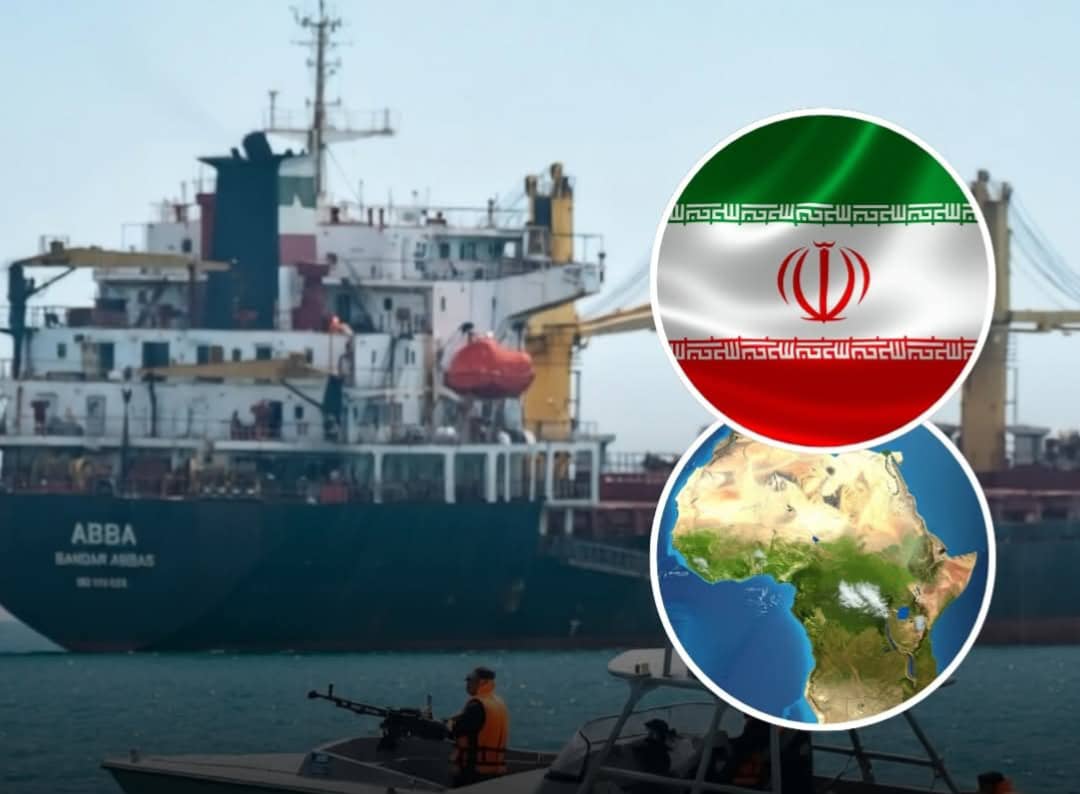
Iran Guards Block Botswana Vessels, Allow Gabon, South Africa Past Strait of Hormuz as Fragile Ceasefire Persist
Uchechi Okporie
Apr 10, 2026
Ughelli Reps: Trouble for Waive as His Political Capital, Top Ranking GOs, Archbishops, Bishops, Pastors Disown Him, Move 2027 Support to Ominimini
Uchechi Okporie
Apr 15, 2026
So Sad!! Ghana President Weeps, Turns to Prayers for Nigeria's Future (Read President Mahama's Emotional Statement in Accra)
Uchechi Okporie
Apr 13, 2026
BREAKING: Israeli Prime Minister, Benjamin Netanyahu, Sentenced to 5000 Years in Prison, and here's why
 Admin User
Apr 13, 2026
Delta North Political Battle Officially Begins as Okowa Declares for Senate, Says I've Decided to Answer The Call
Uchechi Okporie

Apr 11, 2026
“Enough Is Enough: Pope Leo Declares War a ‘Scandal to Humanity’ in Fiery Global Peace Appeal”
Uchechi Okporie
Apr 14, 2026
Benin Breaks the Mold: 49-Year-Old Romuald Wadagni Sweeps to Power in a Generational Shift
Uchechi Okporie
Latest Stories
Apr 16, 2026
Where Is the PDP:Silent Strategy or Slow Political Death
Uchechi Okporie
Apr 16, 2026
Nuclear Gamble Nears Endgame: Donald Trump Claims Iran Ready to Surrender Uranium Stockpile in High-Stakes Peace Push
Uchechi Okporie
Apr 16, 2026
Power Struggle in Africa’s Largest Democracy: Bola Tinubu Declares ‘I Won’t Be Intimidated’ as 2027 Election Battle Takes Shape
Uchechi Okporie

Apr 16, 2026
Nigeria’s Education Under fire: Gunmen Kidnap Students in Brutal Highway Attack
Uchechi Okporie
Apr 16, 2026
Succession Battle in Nigeria’s North Central Turns: Nasarawa Power Bloc Backs Sen. Wadada for 2027 Governorship Race
Uchechi Okporie

Apr 16, 2026
A Nation Starving and Sick: Who Is Lending Nigerians Their Death Sentence
Uchechi Okporie
Apr 16, 2026
Nigeria’s Opposition Rift Deepens as Labour Party Figure Declares Peter Obi “Politically Finished” Within Party
Uchechi Okporie

Apr 16, 2026
West Africa Signals Unity as Tinubu Congratulates Benin’s President-Elect After Overwhelming Win
Uchechi Okporie
Apr 16, 2026
Sudan Crisis Deepens, Africa Faces Growing Humanitarian Emergency
Uchechi Okporie

Apr 16, 2026
South Africa Sends Seasoned Power Broker to Washington in Strategic Diplomatic Move
Uchechi Okporie

Apr 16, 2026
“Big School, Empty Promise: Why Nigeria’s Obsession with Prestige Is Producing Unprepared Graduates”
Uchechi Okporie