Senate2027: Isoko Dominance or Warri Rebellion? The Battle That May Redefine APC in Delta South
 Uchechi Okporie
Apr 02, 2026
3 min read
Uchechi Okporie
Apr 02, 2026
3 min read
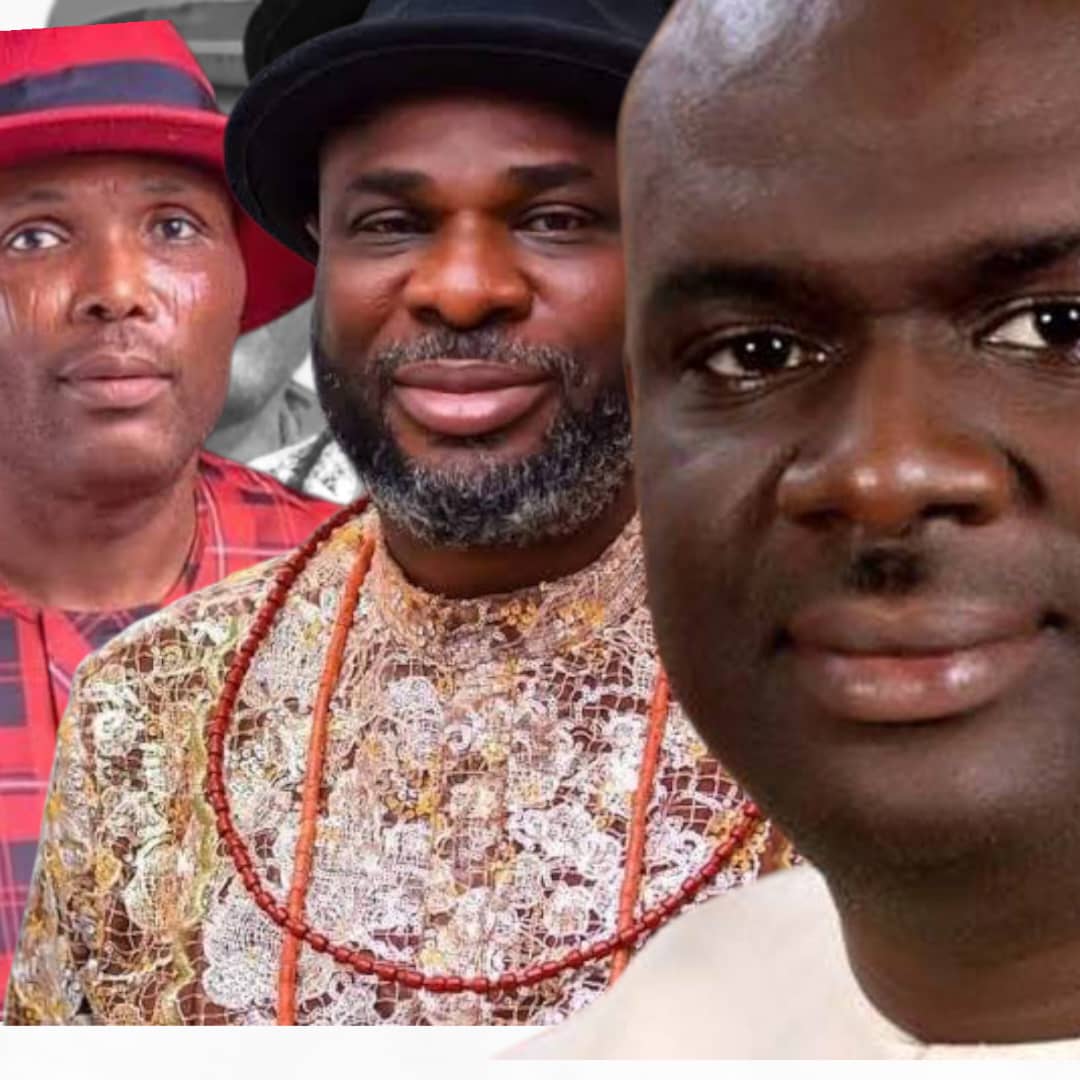
The battle for the All Progressives Congress (APC) ticket in Delta South Senatorial District is shaping up to be less of a routine primary and more of a political civil war. Three heavyweights are circling the ring: the incumbent, Joel-Onowakpo Thomas; former Isoko South council boss, Malik Ikpokpo; and Warri political strongman, Michael Diden.
What is at stake is not just a ticket, but the soul of the APC in Delta South.
On paper, the incumbent should be comfortable. Incumbency in Nigerian politics is not merely an advantage; it is an ecosystem. Control of party structures, access to federal visibility, proximity to national leaders, and the subtle power of patronage all tilt the field in favour of a sitting senator.
Joel-Onowakpo Thomas understands this terrain. Since arriving in the Senate, he has positioned himself as a technocrat with institutional discipline, running empowerment programmes and skills initiatives as proof of effective representation.
Within APC circles, there is a powerful argument that replacing a first-term senator is political recklessness. Party elders are traditionally risk-averse; they prefer stability over experimentation.
But Delta South is not governed by logic alone. It is governed by numbers, emotion, and geography.
Both Joel-Onowakpo Thomas and Malik Ikpokpo hail from Isoko South. That fact alone introduces a dangerous undercurrent into this contest.
In a district where Warri carries demographic and economic weight, a primary that produces yet another Isoko South candidate could trigger quiet resentment among delegates from the riverine and Warri axes. Politics in Delta South has always balanced ethnic arithmetic with party survival. When that balance is upset, parties bleed.
Malik Ikpokpo’s candidacy complicates the Isoko equation even further. As a former chairman of Isoko South Local Government council, he commands ward-level loyalty that cannot be dismissed. In delegate-driven primaries, grassroots familiarity often outweighs grand speeches.
Ikpokpo knows the councillors, the ward executives, the local mobilisers, the foot soldiers who quietly determine outcomes long before ballots are cast. His argument is simple but potent: why should power rotate within the same elite circle when a tested grassroots operator is available?
Yet therein lies his dilemma. Ikpokpo’s strength may also be his ceiling. His influence is intensely local. Breaking beyond Isoko strongholds into Warri North, Warri South, Warri South-West and Patani requires more than goodwill; it requires cross-ethnic appeal and substantial financial firepower. In high-stakes APC primaries, structure without resources rarely prevails.
Then there is Michael Diden, the most controversial variable in this equation. A Warri-based political figure with a reputation for blunt force mobilisation, Diden carries the baggage and the momentum of the 2023 contest.
He has repeatedly insisted that he won seven of the eight local governments in the district while the eventual APC winner secured only one. Whether that claim aligns with official records or not is almost secondary.
Related Posts
Where Is the PDP:Silent Strategy or Slow Political Death
Nigeria’s political space today feels unusually one-sided. The noise is coming from one di...
Power Struggle in Africa’s Largest Democracy: Bola Tinubu Declares ‘I Won’t Be Intimidated’ as 2027 Election Battle Takes Shape
Expanded International Rewrite: Nigeria’s political landscape is rapidly shifting into ca...
Nigeria’s Education Under fire: Gunmen Kidnap Students in Brutal Highway Attack
Nigeria’s deepening security crisis has struck at the heart of its future, as armed attack...
A Nation Starving and Sick: Who Is Lending Nigerians Their Death Sentence
In Nigeria today, survival has become dangerous. People are broke, hospitals are weak, an...
What matters is that the narrative persists. In politics, perception can be more powerful than certification.
If Diden positions himself within the APC primary framework, he does not come as a rookie. He comes with a grievance, a support base in Warri, and a redemption storyline.
Warri is not just another bloc; it is the economic heartbeat of Delta South. A candidate who consolidates Warri delegates can disrupt any Isoko-dominated equation. Diden’s potential strength lies precisely there: geography.
However, APC is not a charity organisation for political migrants. Party loyalty remains a sensitive issue. For core APC loyalists who laboured through difficult election cycles, the idea of handing the ticket to someone perceived as an outsider could provoke internal rebellion.
Delegates may admire electoral strength, but they also guard party identity jealously. The question hanging over Diden is not whether he can win votes in a general election. The question is whether APC voters trust him enough to carry their flag.
Strip away the pleasantries and the picture becomes stark. Joel-Onowakpo Thomas controls the machinery. Malik Ikpokpo controls a deep local network. Michael Diden potentially controls the Warri numbers. Each represents a different path for the party.
If the primary is decided strictly by party establishment calculus, the incumbent is favoured. He is predictable, already integrated into the Senate system, and backed by the subtle machinery that protects sitting lawmakers. In Nigerian party politics, voters during primaries rarely gamble when a “safe” option exists.
But if the primary tilts toward electability arguments and regional balancing, the arithmetic changes dramatically. Voters from Warri and the riverine communities may begin to question whether repeating an Isoko South candidacy is strategically wise.
If that sentiment crystallises, and if Diden successfully convinces party leaders that he can deliver a broader district mandate, the incumbent could face a shock.
Malik Ikpokpo’s most realistic path may lie in strategic alignment. In a fractured primary where neither the incumbent nor Diden commands overwhelming voter loyalty, Ikpokpo could emerge as a compromise candidate, acceptable enough to unify factions while avoiding the bitterness that a straight Thomas-versus-Diden clash might generate. But that scenario requires perfect timing and deft negotiation.
At this moment, however, the cold political assessment remains this: Joel-Onowakpo Thomas is the man to beat. Incumbency, structure, and establishment caution are powerful forces. Yet this race is far from settled.
If Warri consolidates behind Diden and frames the contest as one of regional justice and electoral strength, Delta South’s APC could witness one of its most explosive primaries yet.
What is certain is that this will not be a gentleman’s contest. It will test loyalty, ethnic balance, and the APC’s appetite for risk. And when the dust settles, the winner will not just carry a ticket, they will carry the scars of one of the most contentious primaries Delta South has seen in years.
Related Posts
Uchechi Okporie
Apr 16, 2026
Nigeria’s Opposition Rift Deepens as Labour Party Figure Declares Peter Obi “Politically Finished” Within Party
A fresh wave of political tension is unfolding in Nigeria as a senior figure in the Labour Party, Abayomi Arabambi, has firmly declared that Peter Obi can no longer return to the party.
Uchechi Okporie
Apr 16, 2026
“Big School, Empty Promise: Why Nigeria’s Obsession with Prestige Is Producing Unprepared Graduates”
In Nigeria today, getting into a “big school” has become more than an ambition, it has turned into a national obsession.
Uchechi Okporie
Apr 16, 2026
“Smooth Roads, Silent Economy: Is Ebonyi State Building Infrastructure Without Industry”
In recent years, Ebonyi State has earned recognition for one highly visible achievement, its expanding network of smooth, well constructed roads. Connectivity has improved, travel has become easier, and on the surface, progress is evident
Uchechi Okporie
Apr 16, 2026
Top Nigerian General Killed in Terrorist Strike — Funeral Exposes Worsening War in Borno
Nigeria has been thrown into mourning after a deadly terrorist ambush claimed the life of a senior army commander and several soldiers, a development that is sending fresh waves of concern across Africa and beyond.
Uchechi Okporie
Apr 15, 2026
BREAKING: Nigeria Shifts High-Profile Terror Case — Former Minister’s Son Faces New Arms Charges in Dramatic Legal Twist
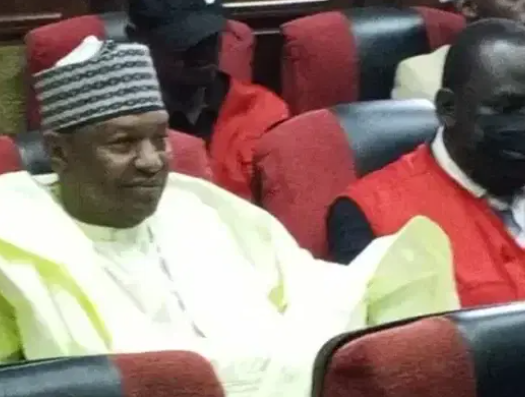
In a surprising turn that is already drawing global attention, the Federal Government of Nigeria has withdrawn terrorism charges against the son of former Attorney- General, Abubakar Malami, alongside others, and instead re-arraigned them on fresh allegations related to illegal arms possession.
Uchechi Okporie
Apr 15, 2026
There was a time Nigerians were ready to pay N10k per litre of fuel but not available - Akpabio says
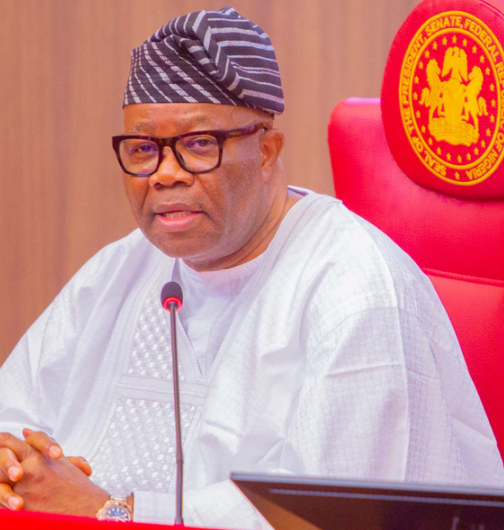
Senate President Godswill Akpabio has urged Nigerians to exercise patience with the administration of Bola Ahmed Tinubu, asserting that the government’s sweeping economic reforms are beginning to yield measurable gains, particularly in the petroleum sector, long plagued by instability.
Uchechi Okporie
Apr 15, 2026
Nigeria’s Most Valuable Bank Does It Again — Five Years Running (Check if it's your bank)
Access Bank Plc has once again been named Nigeria’s most valuable brand, marking its fifth consecutive year at the top, according to the latest rankings released in the 2026 Nigeria 25 report by Brand Finance. The bank’s sustained dominance highlights its resilience and strategic positioning within an increasingly competitive financial services sector.
Uchechi Okporie
Apr 14, 2026
“Africa’s Giant Makes a Bold Claim: Nigeria Set to Outpace US and UK in Surprise Economic Surge”
Nigeria’s presidency has declared that the country’s economy is on track to grow faster than major global powers, including the United States and the United Kingdom, in 2026—an assertion that is already stirring global attention and debate.
Trending
Apr 11, 2026
BREAKING NEWS: Gunmen Kill Imo Monarch, Five Others, Burn Bodies in Deadly Ambush
Uchechi Okporie
Apr 12, 2026
BREAKING NEWS: He Gave Up Everything… What Followed Is Shaking Thousands Right Now
Uchechi Okporie
Apr 13, 2026
Tragedy in Northeast Nigeria as Airstrike Hits Civilian Market, Reportedly Kills 200 People - Reuters Reports
Uchechi Okporie

Apr 10, 2026
Togo Positions Port of Lomé as Alternative for Global Trade Amid Rising Tensions in Strait of Hormuz
Uchechi Okporie
Apr 10, 2026
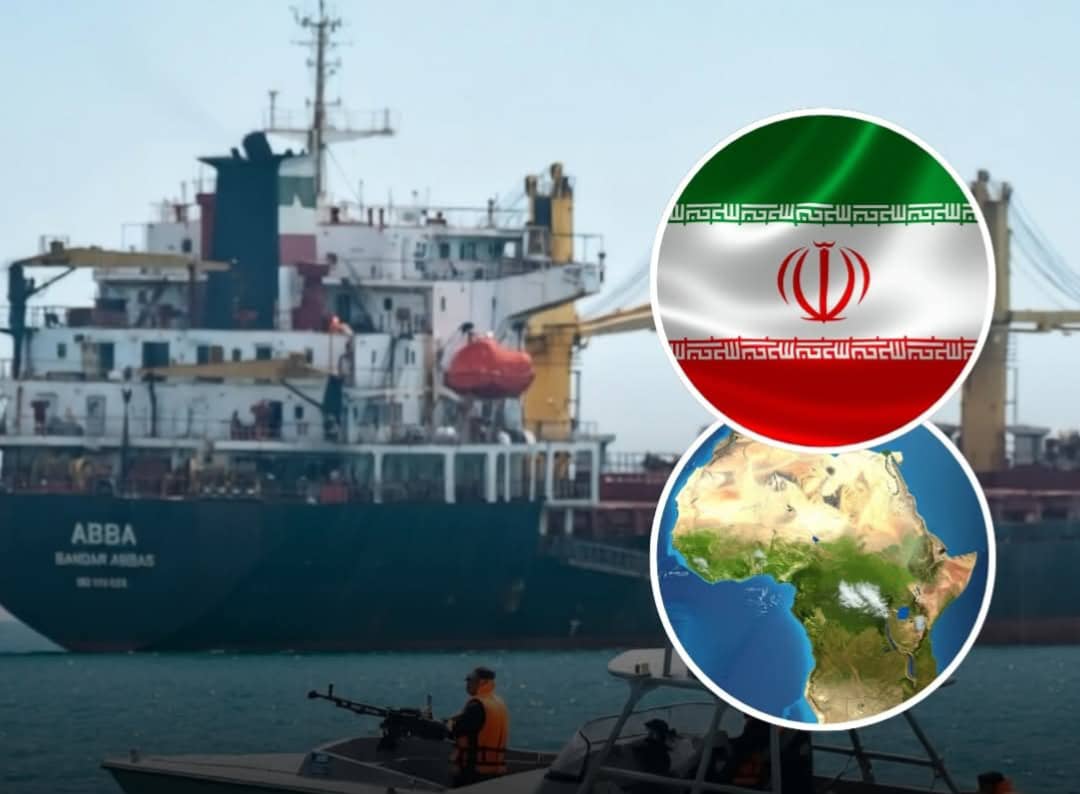
Iran Guards Block Botswana Vessels, Allow Gabon, South Africa Past Strait of Hormuz as Fragile Ceasefire Persist
Uchechi Okporie
Apr 10, 2026
Ughelli Reps: Trouble for Waive as His Political Capital, Top Ranking GOs, Archbishops, Bishops, Pastors Disown Him, Move 2027 Support to Ominimini
Uchechi Okporie
Apr 15, 2026
So Sad!! Ghana President Weeps, Turns to Prayers for Nigeria's Future (Read President Mahama's Emotional Statement in Accra)
Uchechi Okporie
Apr 13, 2026
BREAKING: Israeli Prime Minister, Benjamin Netanyahu, Sentenced to 5000 Years in Prison, and here's why
 Admin User
Apr 13, 2026
Delta North Political Battle Officially Begins as Okowa Declares for Senate, Says I've Decided to Answer The Call
Uchechi Okporie
Apr 11, 2026
“Enough Is Enough: Pope Leo Declares War a ‘Scandal to Humanity’ in Fiery Global Peace Appeal”
Uchechi Okporie
Apr 14, 2026
Benin Breaks the Mold: 49-Year-Old Romuald Wadagni Sweeps to Power in a Generational Shift
Uchechi Okporie
Latest Stories
Apr 16, 2026
Where Is the PDP:Silent Strategy or Slow Political Death
Uchechi Okporie
Apr 16, 2026
Nuclear Gamble Nears Endgame: Donald Trump Claims Iran Ready to Surrender Uranium Stockpile in High-Stakes Peace Push
Uchechi Okporie
Apr 16, 2026
Power Struggle in Africa’s Largest Democracy: Bola Tinubu Declares ‘I Won’t Be Intimidated’ as 2027 Election Battle Takes Shape
Uchechi Okporie
Apr 16, 2026
Nigeria’s Education Under fire: Gunmen Kidnap Students in Brutal Highway Attack
Uchechi Okporie
Apr 16, 2026
Succession Battle in Nigeria’s North Central Turns: Nasarawa Power Bloc Backs Sen. Wadada for 2027 Governorship Race
Uchechi Okporie
Apr 16, 2026
A Nation Starving and Sick: Who Is Lending Nigerians Their Death Sentence
Uchechi Okporie
Apr 16, 2026
Nigeria’s Opposition Rift Deepens as Labour Party Figure Declares Peter Obi “Politically Finished” Within Party
Uchechi Okporie
Apr 16, 2026
West Africa Signals Unity as Tinubu Congratulates Benin’s President-Elect After Overwhelming Win
Uchechi Okporie
Apr 16, 2026
Sudan Crisis Deepens, Africa Faces Growing Humanitarian Emergency
Uchechi Okporie

Apr 16, 2026
South Africa Sends Seasoned Power Broker to Washington in Strategic Diplomatic Move
Uchechi Okporie
Apr 16, 2026
“Big School, Empty Promise: Why Nigeria’s Obsession with Prestige Is Producing Unprepared Graduates”
Uchechi Okporie