South Africa Intercepts Chinese Fishing Fleet Over Illegal Entry Into National Waters
 Uchechi Okporie
Mar 13, 2026
3 min read
Uchechi Okporie
Mar 13, 2026
3 min read
BY UCHECHI OKPORIE
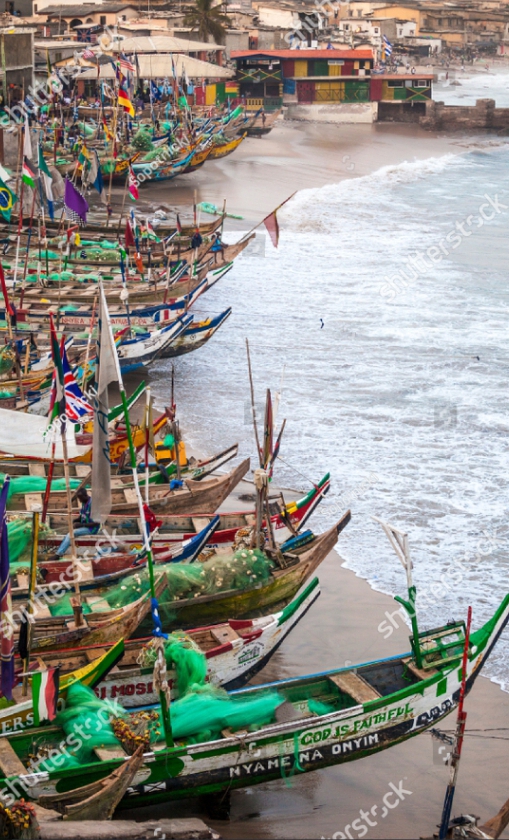
South African authorities have intercepted four Chinese-flagged fishing vessels accused of entering the country’s territorial waters without permission, in a move officials say underscores their commitment to protecting marine resources.
According to the government, the vessels owned by Shenzhen Shuiwan Pelagic Fisheries—were detected after crossing into South Africa’s maritime zone and were later placed under guard by police and fisheries control officers at the Port of Cape Town.
Officials charged the captains of the ships and imposed an administrative fine of 400,000 rand (about $24,000). After the penalty was paid by the vessel owner, the ships were released and departed South African waters.
Related Posts
Nigeria’s Most Valuable Bank Does It Again — Five Years Running (Check if it's your bank)
Access Bank Plc has once again been named Nigeria’s most valuable brand, marking its fifth...
No We Can't Give You Our Fuel, Uganda Turns Down Bailout Request from Kenya
Uganda has declined a request from Kenya for a fuel bailout, citing its own domestic suppl...
Middle East War Fails to Slow Ghana’s Economic Comeback as Inflation Hits Multi-Year Low
Despite rising geopolitical tensions in the Middle East and strain on international trade...
Mozambique Becomes Latest Nation to Eliminate IMF Debt, Reducing Exposure to Global Lender
Mozambique is not alone in moving to reduce or eliminate its obligations to the IMF. In Ma...
The vessels had initially requested permission on February 23 to pass through South Africa’s Exclusive Economic Zone under the right of “innocent passage.” However, authorities rejected a later request for off-port limits authorization because the ships failed to provide proper documentation.
Investigations revealed that the vessels had already entered South African territorial waters while their request was still under review. They were first detected within 12 nautical miles of the KwaZulu-Natal coast and later tracked along the Eastern Cape coastline.
Officials also said the ships repeatedly switched their Automatic Identification System (AIS) on and off—an action that violates South African maritime regulations requiring foreign vessels to keep tracking systems active while navigating national waters.
South Africa’s Forestry, Fisheries and Environment Minister warned that the country would “not tolerate the unlawful use of its maritime zones,” emphasizing stricter enforcement to safeguard its ocean resources.
Related Posts
Uchechi Okporie
Mar 23, 2026
Global Economy on the Brink as Strait of Hormuz Crisis Triggers Unprecedented Energy Shock IEA Issues Stark Warning
The global economy is facing a severe and immediate threat as escalating conflict around the Strait of Hormuz disrupts vital energy supplies, according to the International Energy Agency (IEA).
Uchechi Okporie
Mar 20, 2026
Africa Nations Scramble for Fuel as Global Crisis Pushes Governments Toward Dangote Refinery
Aliko Dangote’s refinery in Lagos is experiencing a sharp increase in demand from African governments as global fuel supplies tighten following Iran’s blockade of the Strait of Hormuz.
Trending

Apr 11, 2026
BREAKING NEWS: Gunmen Kill Imo Monarch, Five Others, Burn Bodies in Deadly Ambush
Uchechi Okporie
Apr 12, 2026
BREAKING NEWS: He Gave Up Everything… What Followed Is Shaking Thousands Right Now
Uchechi Okporie
Apr 13, 2026
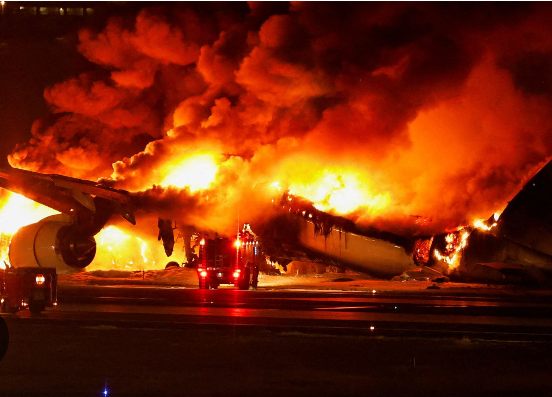
Tragedy in Northeast Nigeria as Airstrike Hits Civilian Market, Reportedly Kills 200 People - Reuters Reports
Uchechi Okporie
Apr 10, 2026
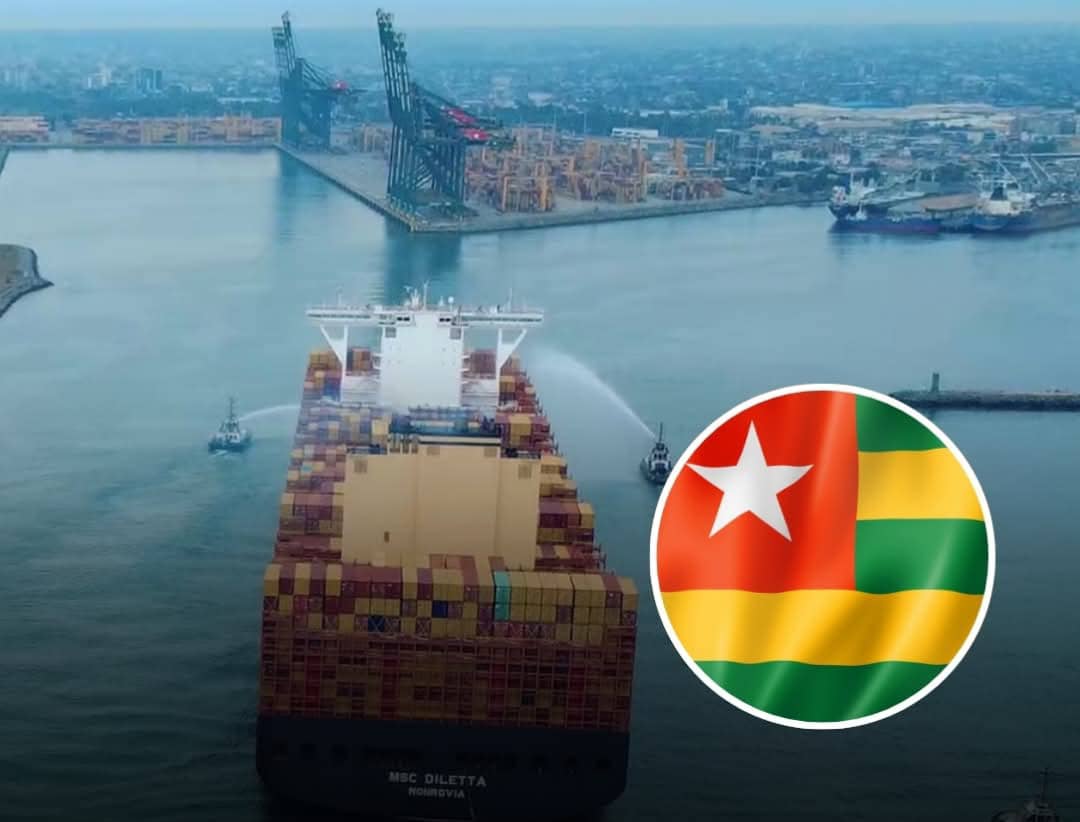
Togo Positions Port of Lomé as Alternative for Global Trade Amid Rising Tensions in Strait of Hormuz
Uchechi Okporie
Apr 10, 2026
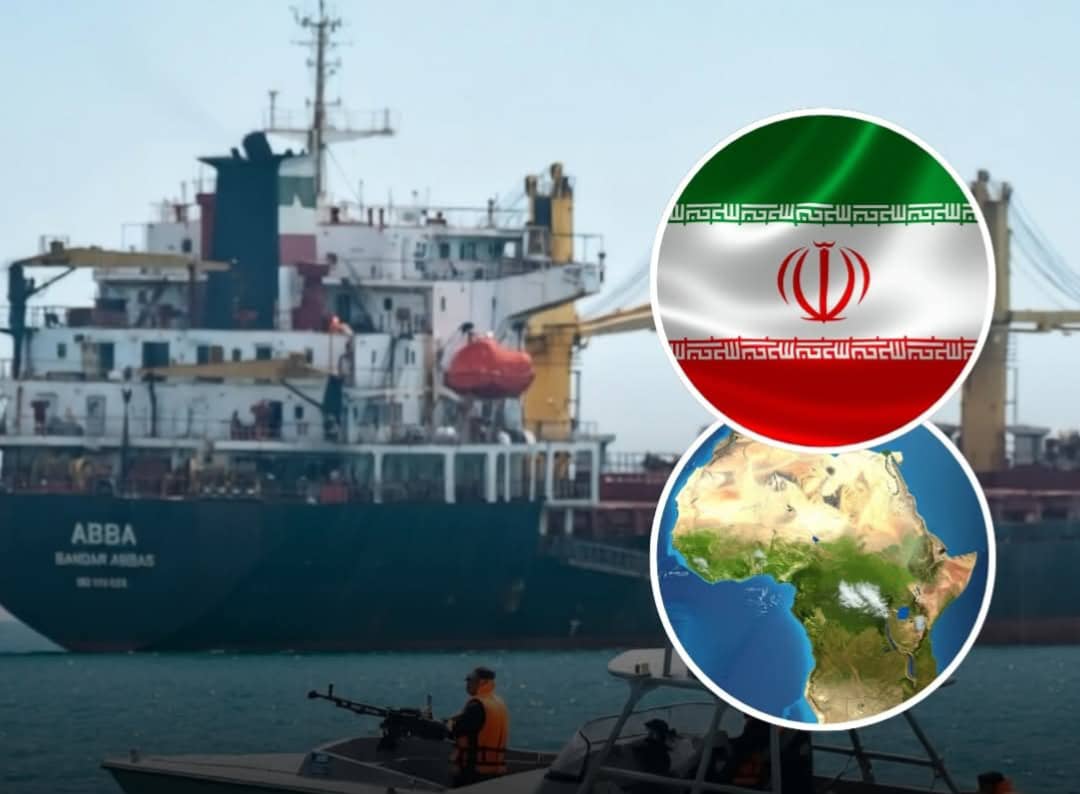
Iran Guards Block Botswana Vessels, Allow Gabon, South Africa Past Strait of Hormuz as Fragile Ceasefire Persist
Uchechi Okporie

Apr 10, 2026
Ughelli Reps: Trouble for Waive as His Political Capital, Top Ranking GOs, Archbishops, Bishops, Pastors Disown Him, Move 2027 Support to Ominimini
Uchechi Okporie
Apr 15, 2026
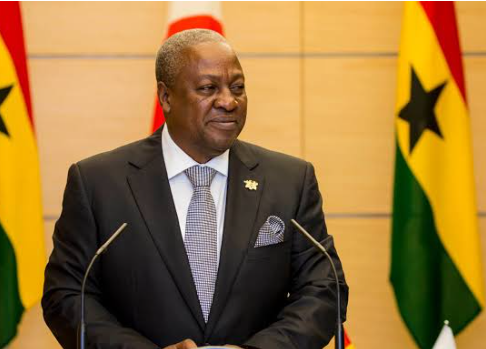
So Sad!! Ghana President Weeps, Turns to Prayers for Nigeria's Future (Read President Mahama's Emotional Statement in Accra)
Uchechi Okporie
Apr 13, 2026
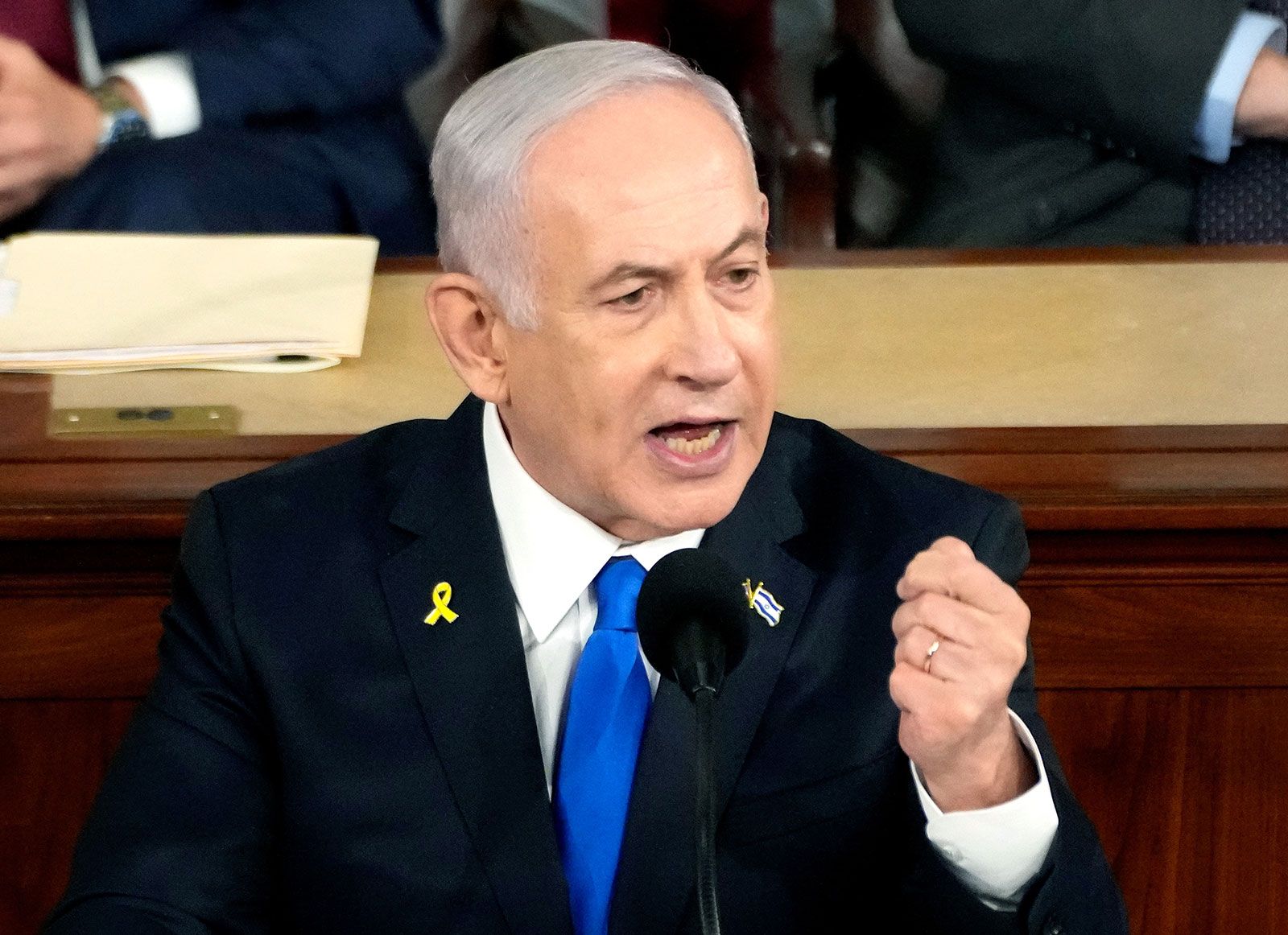
BREAKING: Israeli Prime Minister, Benjamin Netanyahu, Sentenced to 5000 Years in Prison, and here's why
 Admin User
Apr 13, 2026
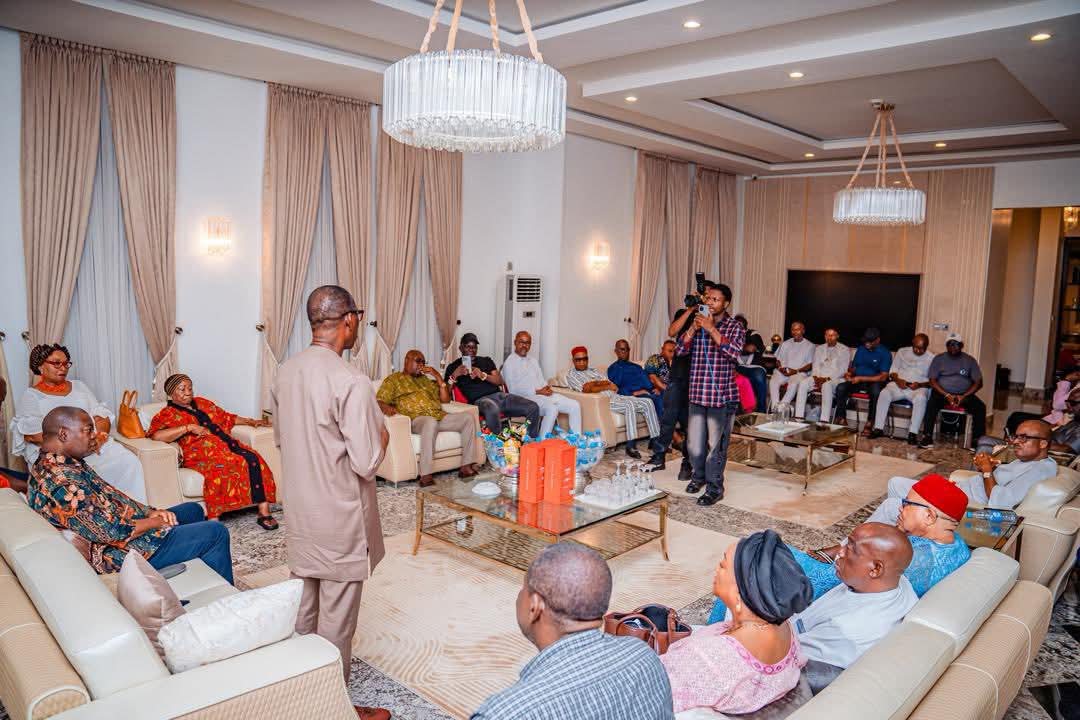
Delta North Political Battle Officially Begins as Okowa Declares for Senate, Says I've Decided to Answer The Call
Uchechi Okporie

Apr 11, 2026
“Enough Is Enough: Pope Leo Declares War a ‘Scandal to Humanity’ in Fiery Global Peace Appeal”
Uchechi Okporie
Apr 14, 2026
Benin Breaks the Mold: 49-Year-Old Romuald Wadagni Sweeps to Power in a Generational Shift
Uchechi Okporie
Latest Stories
Apr 16, 2026
Where Is the PDP:Silent Strategy or Slow Political Death
Uchechi Okporie
Apr 16, 2026
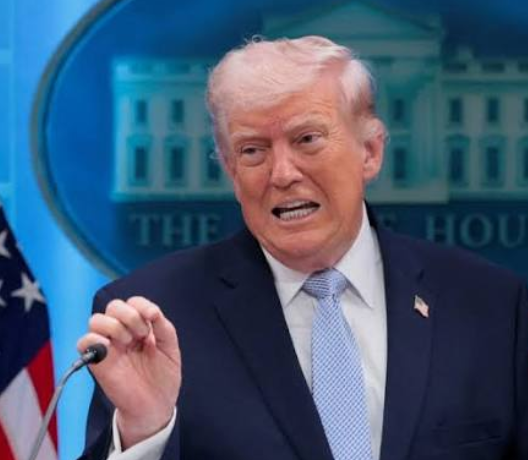
Nuclear Gamble Nears Endgame: Donald Trump Claims Iran Ready to Surrender Uranium Stockpile in High-Stakes Peace Push
Uchechi Okporie
Apr 16, 2026
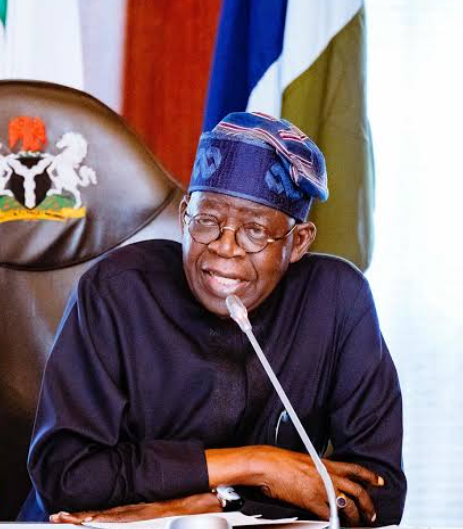
Power Struggle in Africa’s Largest Democracy: Bola Tinubu Declares ‘I Won’t Be Intimidated’ as 2027 Election Battle Takes Shape
Uchechi Okporie

Apr 16, 2026
Nigeria’s Education Under fire: Gunmen Kidnap Students in Brutal Highway Attack
Uchechi Okporie
Apr 16, 2026
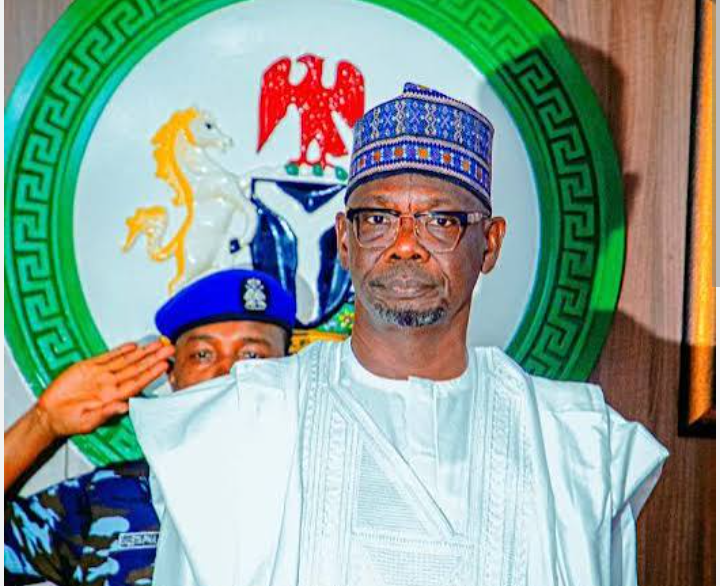
Succession Battle in Nigeria’s North Central Turns: Nasarawa Power Bloc Backs Sen. Wadada for 2027 Governorship Race
Uchechi Okporie

Apr 16, 2026
A Nation Starving and Sick: Who Is Lending Nigerians Their Death Sentence
Uchechi Okporie
Apr 16, 2026
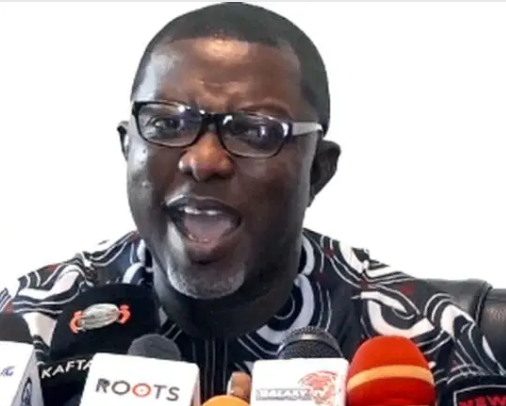
Nigeria’s Opposition Rift Deepens as Labour Party Figure Declares Peter Obi “Politically Finished” Within Party
Uchechi Okporie
Apr 16, 2026
West Africa Signals Unity as Tinubu Congratulates Benin’s President-Elect After Overwhelming Win
Uchechi Okporie
Apr 16, 2026
Sudan Crisis Deepens, Africa Faces Growing Humanitarian Emergency
Uchechi Okporie

Apr 16, 2026
South Africa Sends Seasoned Power Broker to Washington in Strategic Diplomatic Move
Uchechi Okporie
Apr 16, 2026
“Big School, Empty Promise: Why Nigeria’s Obsession with Prestige Is Producing Unprepared Graduates”
Uchechi Okporie