Temu Under Fire as Nigeria Govt Flags Privacy, Cross-Border Data Concerns
 Admin User
Mar 08, 2026
3 min read
Admin User
Mar 08, 2026
3 min read
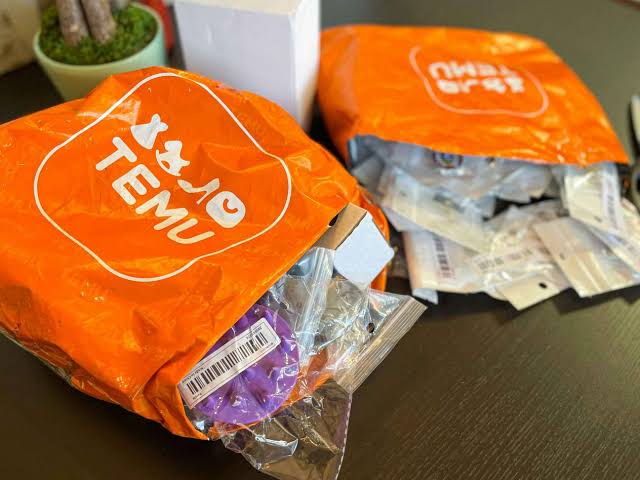
Nigeria’s data regulator has opened an immediate probe into Nigeria Data Protection Commission over the data practices of Temu, following complaints of poor data management.
National Commissioner Vincent Olatunji disclosed that preliminary findings show Temu processes the personal data of about 12.7 million Nigerians, with roughly 70 million daily active users worldwide.
The investigation centers on concerns including online surveillance, transparency, data minimisation, accountability, duty of care, and cross-border data transfers.
Related Posts
Nigeria’s Most Valuable Bank Does It Again — Five Years Running (Check if it's your bank)
Access Bank Plc has once again been named Nigeria’s most valuable brand, marking its fifth...
No We Can't Give You Our Fuel, Uganda Turns Down Bailout Request from Kenya
Uganda has declined a request from Kenya for a fuel bailout, citing its own domestic suppl...
Middle East War Fails to Slow Ghana’s Economic Comeback as Inflation Hits Multi-Year Low
Despite rising geopolitical tensions in the Middle East and strain on international trade...
Mozambique Becomes Latest Nation to Eliminate IMF Debt, Reducing Exposure to Global Lender
Mozambique is not alone in moving to reduce or eliminate its obligations to the IMF. In Ma...
The commission warned that any breach of the Nigeria Data Protection Act will attract enforcement measures, including fines and sanctions.
It also cautioned that data processors acting on behalf of controllers without verifying compliance risk legal liability.
The NDPC says the move underscores its mandate to safeguard Nigerians’ privacy and enforce data protection laws across digital platforms operating in and beyond the country.
Related Posts

Uchechi Okporie
Mar 23, 2026
Global Economy on the Brink as Strait of Hormuz Crisis Triggers Unprecedented Energy Shock IEA Issues Stark Warning
The global economy is facing a severe and immediate threat as escalating conflict around the Strait of Hormuz disrupts vital energy supplies, according to the International Energy Agency (IEA).

Uchechi Okporie
Mar 20, 2026
Africa Nations Scramble for Fuel as Global Crisis Pushes Governments Toward Dangote Refinery
Aliko Dangote’s refinery in Lagos is experiencing a sharp increase in demand from African governments as global fuel supplies tighten following Iran’s blockade of the Strait of Hormuz.
Trending

Apr 11, 2026
BREAKING NEWS: Gunmen Kill Imo Monarch, Five Others, Burn Bodies in Deadly Ambush
Uchechi Okporie

Apr 12, 2026
BREAKING NEWS: He Gave Up Everything… What Followed Is Shaking Thousands Right Now
Uchechi Okporie
Apr 13, 2026
Tragedy in Northeast Nigeria as Airstrike Hits Civilian Market, Reportedly Kills 200 People - Reuters Reports
Uchechi Okporie
Apr 15, 2026
So Sad!! Ghana President Weeps, Turns to Prayers for Nigeria's Future (Read President Mahama's Emotional Statement in Accra)
Uchechi Okporie
Apr 13, 2026
BREAKING: Israeli Prime Minister, Benjamin Netanyahu, Sentenced to 5000 Years in Prison, and here's why
Admin User

Apr 13, 2026
Delta North Political Battle Officially Begins as Okowa Declares for Senate, Says I've Decided to Answer The Call
Uchechi Okporie

Apr 14, 2026
Benin Breaks the Mold: 49-Year-Old Romuald Wadagni Sweeps to Power in a Generational Shift
Uchechi Okporie

Apr 11, 2026
“Enough Is Enough: Pope Leo Declares War a ‘Scandal to Humanity’ in Fiery Global Peace Appeal”
Uchechi Okporie

Apr 11, 2026
“Inside a High-Profile Ghana Divorce: Court Transcripts Detail Alleged Assault and Deepening Legal Battle”
Uchechi Okporie

Apr 16, 2026
Nigeria’s Education Under fire: Gunmen Kidnap Students in Brutal Highway Attack
Uchechi Okporie
Apr 14, 2026
“While Nigerians Die Daily, Who Are the Security Agencies Really Fighting?”
Uchechi Okporie
Latest Stories

Apr 17, 2026
Ghana Court Limits Special Prosecutor’s Powers, Case Heads to Supreme Court
Uchechi Okporie
Apr 17, 2026
Delta North 2027: Senator Nwoko Announces Interest to Return to Senate, Says Okpai IPP, Ogwashi Uku Dam Must be Completed
Uchechi Okporie

Apr 17, 2026
Nigerian Airlines Threaten Nationwide Flight Shutdown Over Soaring Jet Fuel Crisis
Uchechi Okporie

Apr 17, 2026
Pope Leo Arrives in Cameroon for Historic Peace Mission as Clash With Trump Draws Global Spotlight
Uchechi Okporie

Apr 17, 2026
South Africa Arrests Kemi Seba as Benin Demands Extradition in Political Firestorm
Uchechi Okporie

Apr 17, 2026
BREAKING NEWS: Burundi Communications Minister Dies in Road Accident, Presidency Confirms
Uchechi Okporie

Apr 17, 2026
DR Congo and M23 Rebels Move Toward Peace Deal in Switzerland as Africa Watches Fragile Breakthrough
Uchechi Okporie

Apr 17, 2026
Uganda Launches Major Crackdown on Illegal Sand Mining as Environmental Crisis Deepens
Uchechi Okporie

Apr 17, 2026
Security Embarrassment in Ghana as Man Allegedly Tries to Hijack Police Armoured Vehicle
Uchechi Okporie
Apr 16, 2026
Where Is the PDP:Silent Strategy or Slow Political Death
Uchechi Okporie
Apr 16, 2026
Nuclear Gamble Nears Endgame: Donald Trump Claims Iran Ready to Surrender Uranium Stockpile in High-Stakes Peace Push
Uchechi Okporie