Working All Day, Eating Once: The Cruel, Disturbing Arithmetic of Delta’s Cost-of-Living Crisis
 Uchechi Okporie
Mar 18, 2026
3 min read
Uchechi Okporie
Mar 18, 2026
3 min read
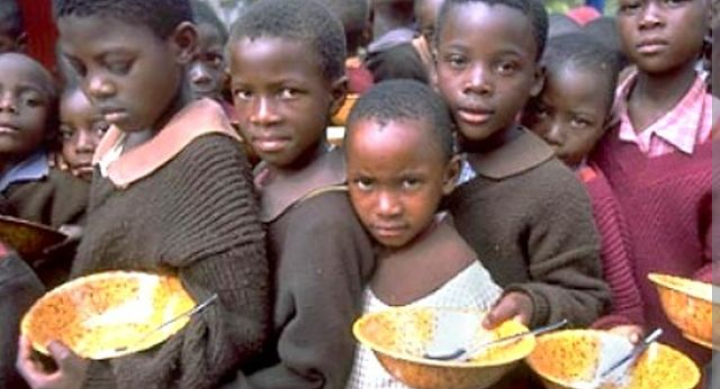
A silent emergency is unfolding in Okpanam and Asaba, and it is no longer creeping, it is crashing through homes, markets, and businesses with devastating force.
According to investigation by NdokwaReporters, a local online newspaper in Delta state, Southern Nigeria, petrol prices have detonated. Food prices have followed. And ordinary families are being crushed in between.
Across filling stations in Okpanam, the numbers tell a brutal story. At Ezeani Oil and Gas in Amachai, petrol now sells for ₦1,265 per litre—up from ₦750–₦800 just weeks ago.
The Nigerian National Petroleum Corporation (NNPC) outlet in Obodogba dispenses at ₦1,250. Rainoil Limited and Alphabakeez Petroleum sell at ₦1,300 and ₦1,270 respectively. In some cases, desperate buyers report prices soaring to ₦1,400 per litre amid supply shortages.
Several stations are either shut or rationing fuel. Long, restless queues of cars and motorcycles snake through the streets. The anxiety is palpable. The frustration is boiling.
But this is no longer just about petrol. It is about food vanishing from tables. It is about wages that no longer mean anything. It is about families choosing between transport fare and dinner.
Fuel Hike Sparks Market Chaos
The connection is immediate and unforgiving: as fuel rises, food follows. At Midwifery Market in Okpanam, a 50kg bag of rice now costs between ₦65,000 and ₦75,000—up from ₦45,000. Beans have crossed ₦60,000 per bag. Garri sells for ₦40,000. A single yam tuber now ranges from ₦1,500 to ₦2,500. Palm oil has climbed to ₦2,200 per litre.
At Ogbeogonogo Market in Asaba, the shock is even more severe. A basket of tomatoes that once sold for ₦10,000 now goes for ₦25,000–₦30,000. Pepper exceeds ₦20,000 per basket. Onions have crossed ₦50,000 per bag.
Traders blame transportation costs. Goods transported from the North now cost significantly more due to soaring petrol prices.
But consumers are the ones bleeding. Families are buying in cups instead of bags. Portions are shrinking. Meals are being skipped. Some parents quietly admit they now eat less so their children can eat at all.
Mrs. Rita Ojo, a mother of three, says feeding her family has become “very difficult.” Prices, she says, rise almost weekly. This is no longer inflation. It is erosion of dignity, stability, and hope.
Businesses on the Brink
Related Posts
Where Is the PDP:Silent Strategy or Slow Political Death
Nigeria’s political space today feels unusually one-sided. The noise is coming from one di...
Power Struggle in Africa’s Largest Democracy: Bola Tinubu Declares ‘I Won’t Be Intimidated’ as 2027 Election Battle Takes Shape
Expanded International Rewrite: Nigeria’s political landscape is rapidly shifting into ca...

Nigeria’s Education Under fire: Gunmen Kidnap Students in Brutal Highway Attack
Nigeria’s deepening security crisis has struck at the heart of its future, as armed attack...

A Nation Starving and Sick: Who Is Lending Nigerians Their Death Sentence
In Nigeria today, survival has become dangerous. People are broke, hospitals are weak, an...
Transport fares have nearly doubled on key routes. Workers and students now spend a painful chunk of their income just getting to work or school. Small business owners are suffocating.
With erratic electricity supply, many rely on petrol-powered generators. Now, operating costs have nearly doubled. Profit margins are evaporating.
“I spend much more on fuel now than I did last month,” one shop owner said. “It is becoming difficult to keep my business running and still make profit.”
Declining customer purchasing power has compounded the pain. Traders report that bulk buying has collapsed. Food traffic is thinning. Sales are shrinking.
This is a vicious cycle: rising fuel prices inflate transportation costs, which inflate food prices, which weaken consumer spending, which suffocates small businesses, driving even more hardship.
The Reform Debate, At What Cost?
Industry analysts point to global crude oil volatility, a weakened naira, and Nigeria’s heavy reliance on imported refined petroleum products as the structural drivers of the crisis.
Government officials maintain that ongoing petroleum sector reforms are necessary for long-term stability. But residents are asking a raw, urgent question: How long must survival wait for reform?
Without significant improvements in domestic refining capacity and exchange rate stability, fuel prices may remain volatile, and so will the cost of living.
Meanwhile, in Okpanam, Asaba, and Isele Azagba, the crisis is not theoretical. It is immediate. It is personal. It is daily.
People are not debating policy, they are calculating how to survive tomorrow. If relief does not come soon, residents fear this economic pressure could harden into something deeper: widespread business closures, food insecurity, and irreversible financial damage to already fragile households.
For many families in Delta State, the message is painfully clear: The numbers at the pump are no longer statistics. They are the difference between eating and not eating.
Related Posts
Uchechi Okporie
Apr 16, 2026
Nigeria’s Opposition Rift Deepens as Labour Party Figure Declares Peter Obi “Politically Finished” Within Party
A fresh wave of political tension is unfolding in Nigeria as a senior figure in the Labour Party, Abayomi Arabambi, has firmly declared that Peter Obi can no longer return to the party.
Uchechi Okporie
Apr 16, 2026
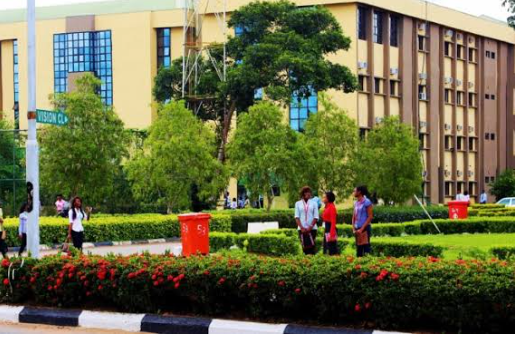
“Big School, Empty Promise: Why Nigeria’s Obsession with Prestige Is Producing Unprepared Graduates”
In Nigeria today, getting into a “big school” has become more than an ambition, it has turned into a national obsession.
Uchechi Okporie
Apr 16, 2026
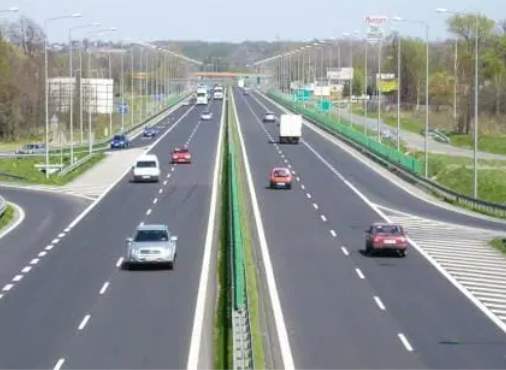
“Smooth Roads, Silent Economy: Is Ebonyi State Building Infrastructure Without Industry”
In recent years, Ebonyi State has earned recognition for one highly visible achievement, its expanding network of smooth, well constructed roads. Connectivity has improved, travel has become easier, and on the surface, progress is evident

Uchechi Okporie
Apr 16, 2026
Top Nigerian General Killed in Terrorist Strike — Funeral Exposes Worsening War in Borno
Nigeria has been thrown into mourning after a deadly terrorist ambush claimed the life of a senior army commander and several soldiers, a development that is sending fresh waves of concern across Africa and beyond.
Uchechi Okporie
Apr 15, 2026
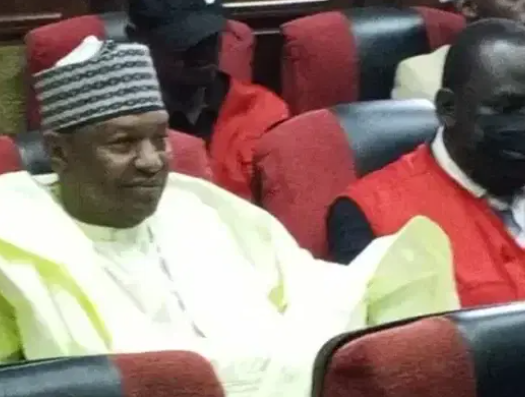
BREAKING: Nigeria Shifts High-Profile Terror Case — Former Minister’s Son Faces New Arms Charges in Dramatic Legal Twist
In a surprising turn that is already drawing global attention, the Federal Government of Nigeria has withdrawn terrorism charges against the son of former Attorney- General, Abubakar Malami, alongside others, and instead re-arraigned them on fresh allegations related to illegal arms possession.
Uchechi Okporie
Apr 15, 2026
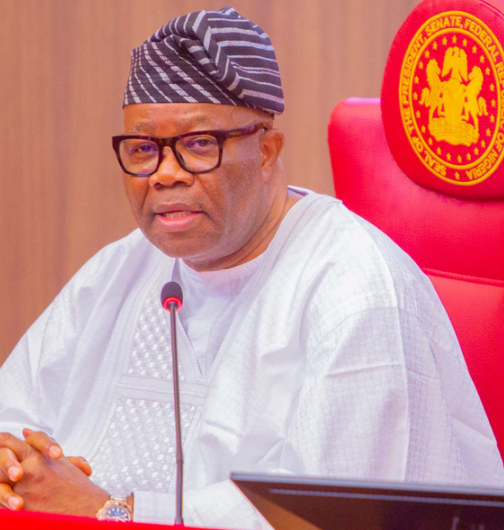
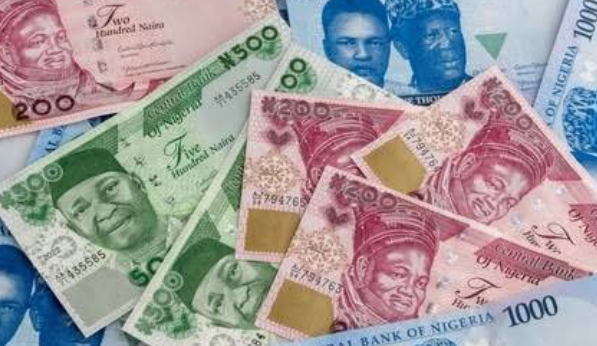
There was a time Nigerians were ready to pay N10k per litre of fuel but not available - Akpabio says
Senate President Godswill Akpabio has urged Nigerians to exercise patience with the administration of Bola Ahmed Tinubu, asserting that the government’s sweeping economic reforms are beginning to yield measurable gains, particularly in the petroleum sector, long plagued by instability.
Uchechi Okporie
Apr 15, 2026
Nigeria’s Most Valuable Bank Does It Again — Five Years Running (Check if it's your bank)
Access Bank Plc has once again been named Nigeria’s most valuable brand, marking its fifth consecutive year at the top, according to the latest rankings released in the 2026 Nigeria 25 report by Brand Finance. The bank’s sustained dominance highlights its resilience and strategic positioning within an increasingly competitive financial services sector.

Uchechi Okporie
Apr 14, 2026
“Africa’s Giant Makes a Bold Claim: Nigeria Set to Outpace US and UK in Surprise Economic Surge”
Nigeria’s presidency has declared that the country’s economy is on track to grow faster than major global powers, including the United States and the United Kingdom, in 2026—an assertion that is already stirring global attention and debate.
Trending
Apr 11, 2026
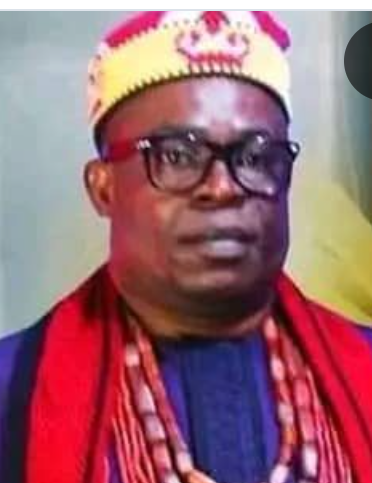
BREAKING NEWS: Gunmen Kill Imo Monarch, Five Others, Burn Bodies in Deadly Ambush
Uchechi Okporie
Apr 12, 2026
BREAKING NEWS: He Gave Up Everything… What Followed Is Shaking Thousands Right Now
Uchechi Okporie
Apr 13, 2026
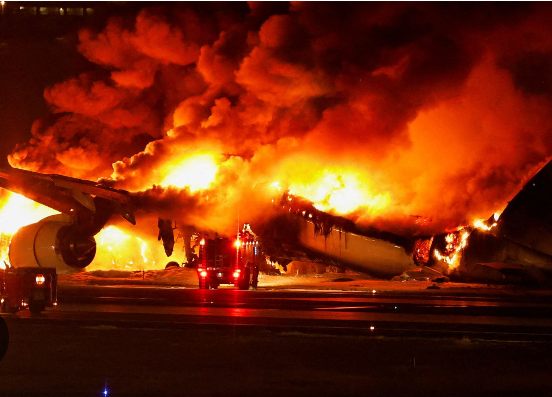
Tragedy in Northeast Nigeria as Airstrike Hits Civilian Market, Reportedly Kills 200 People - Reuters Reports
Uchechi Okporie
Apr 10, 2026
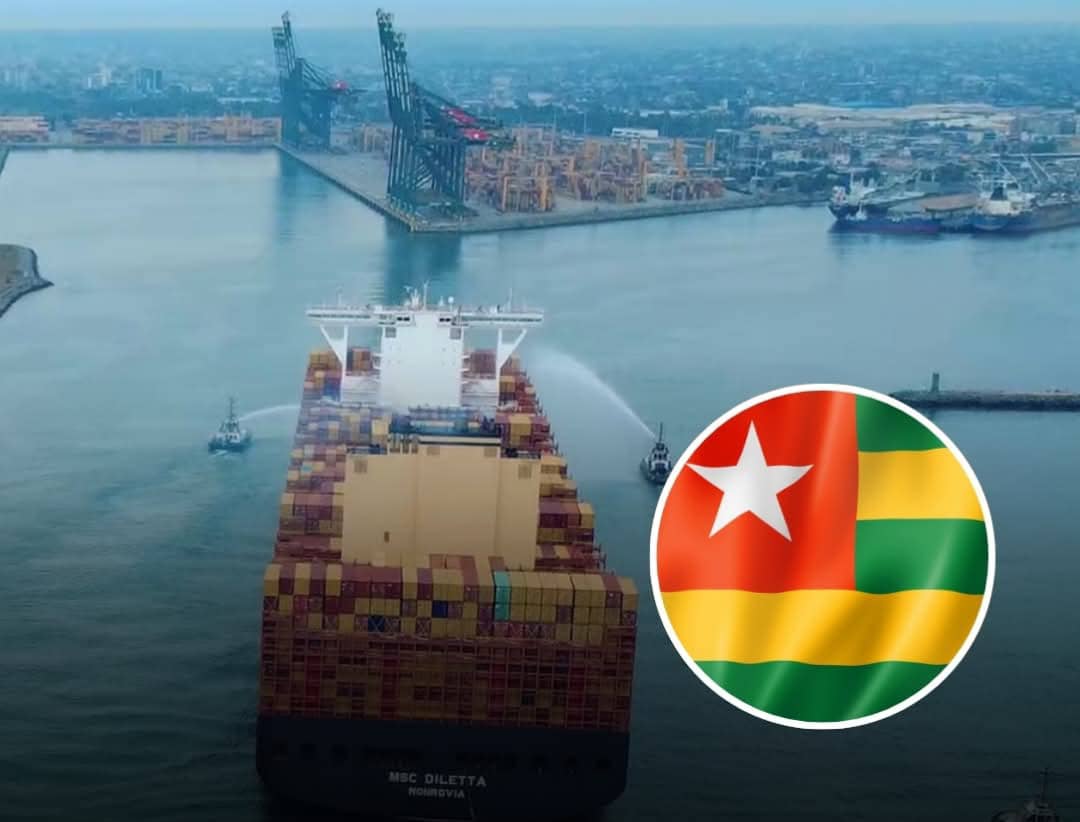
Togo Positions Port of Lomé as Alternative for Global Trade Amid Rising Tensions in Strait of Hormuz
Uchechi Okporie
Apr 10, 2026
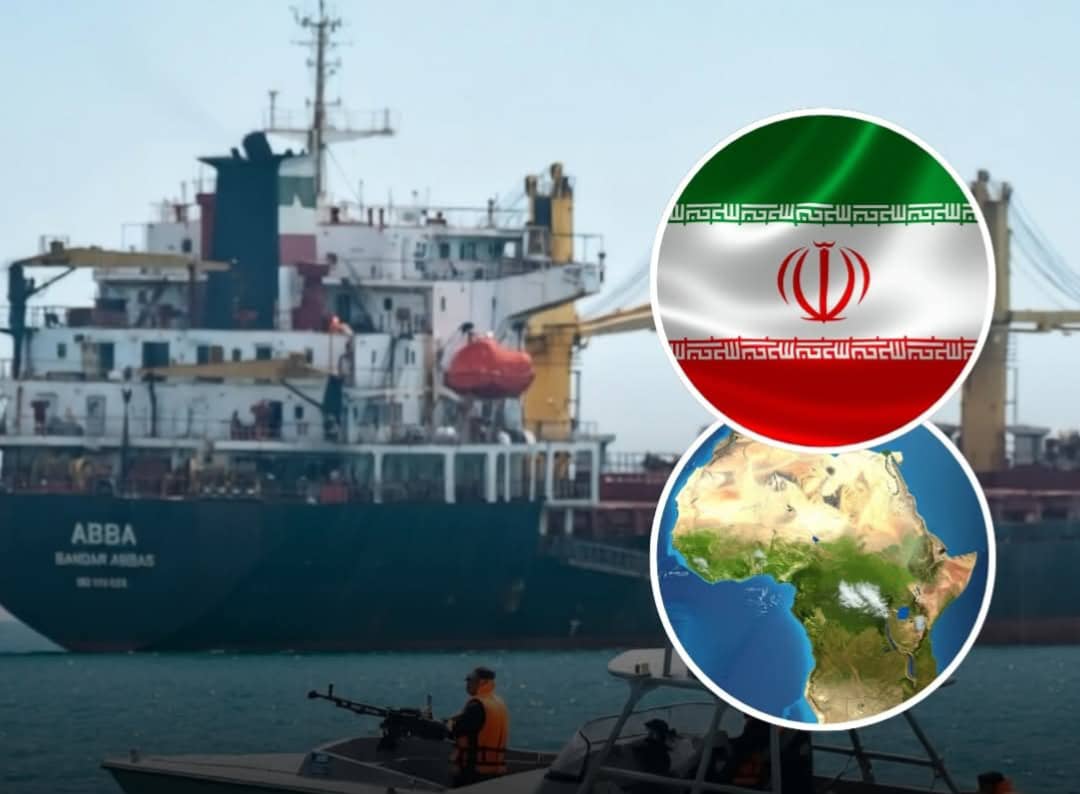
Iran Guards Block Botswana Vessels, Allow Gabon, South Africa Past Strait of Hormuz as Fragile Ceasefire Persist
Uchechi Okporie
Apr 10, 2026
Ughelli Reps: Trouble for Waive as His Political Capital, Top Ranking GOs, Archbishops, Bishops, Pastors Disown Him, Move 2027 Support to Ominimini
Uchechi Okporie
Apr 15, 2026
So Sad!! Ghana President Weeps, Turns to Prayers for Nigeria's Future (Read President Mahama's Emotional Statement in Accra)
Uchechi Okporie
Apr 13, 2026
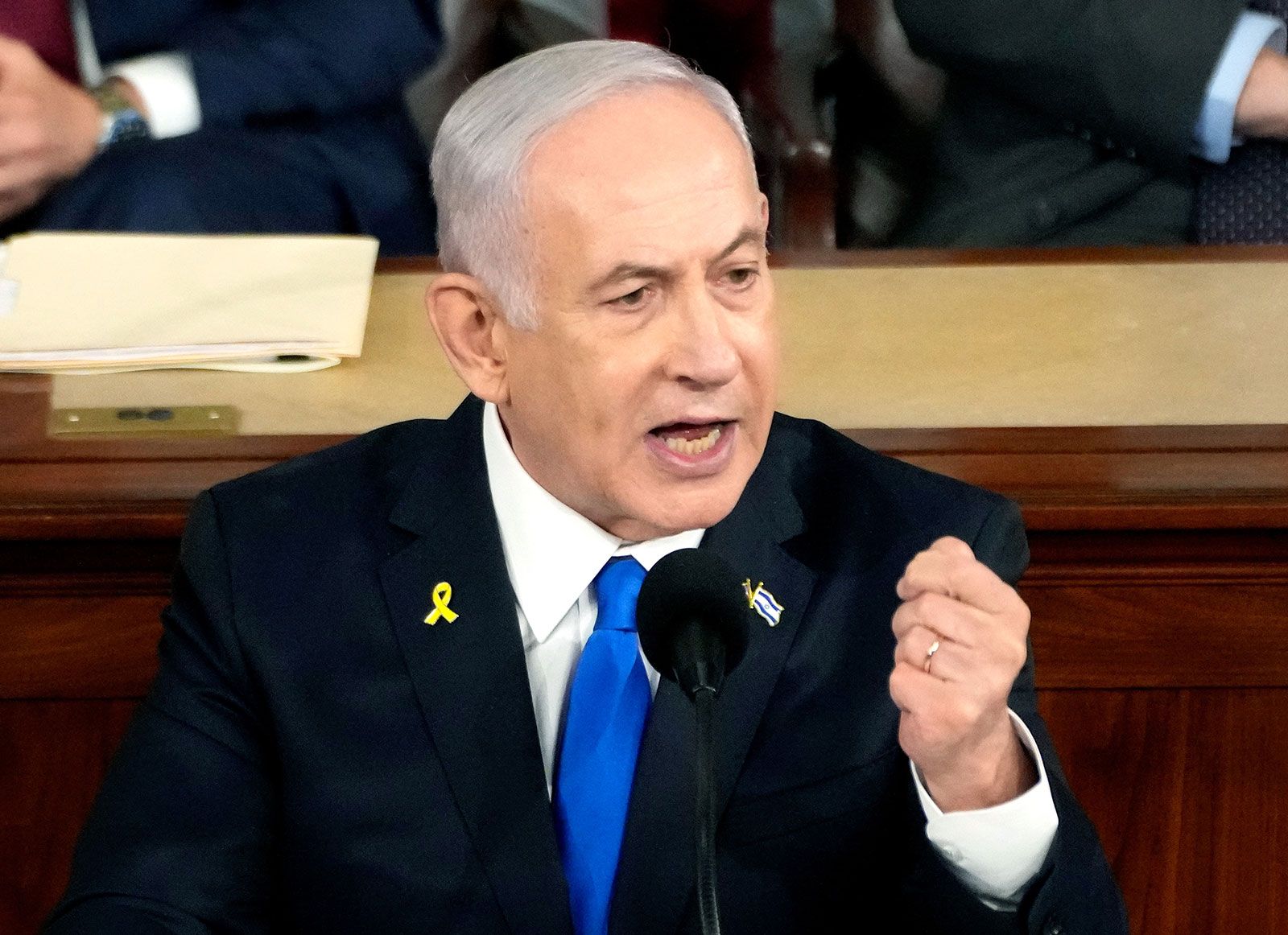
BREAKING: Israeli Prime Minister, Benjamin Netanyahu, Sentenced to 5000 Years in Prison, and here's why
 Admin User
Apr 13, 2026
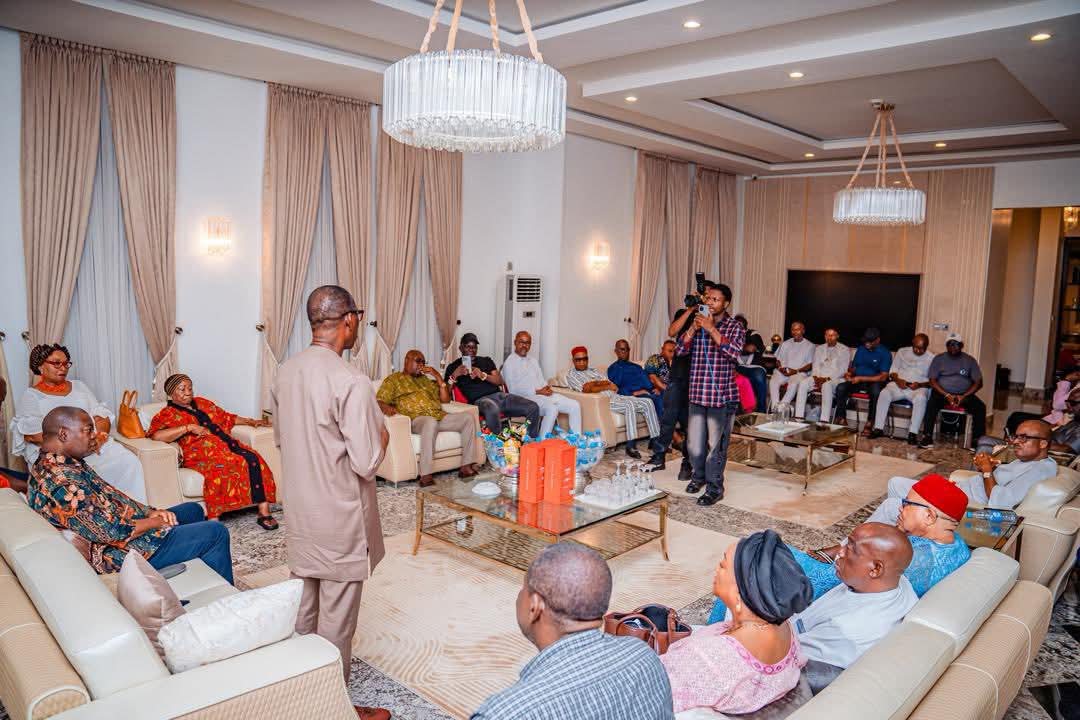
Delta North Political Battle Officially Begins as Okowa Declares for Senate, Says I've Decided to Answer The Call
Uchechi Okporie

Apr 11, 2026
“Enough Is Enough: Pope Leo Declares War a ‘Scandal to Humanity’ in Fiery Global Peace Appeal”
Uchechi Okporie
Apr 14, 2026
Benin Breaks the Mold: 49-Year-Old Romuald Wadagni Sweeps to Power in a Generational Shift
Uchechi Okporie
Latest Stories
Apr 16, 2026
Where Is the PDP:Silent Strategy or Slow Political Death
Uchechi Okporie

Apr 16, 2026
Nuclear Gamble Nears Endgame: Donald Trump Claims Iran Ready to Surrender Uranium Stockpile in High-Stakes Peace Push
Uchechi Okporie
Apr 16, 2026
Power Struggle in Africa’s Largest Democracy: Bola Tinubu Declares ‘I Won’t Be Intimidated’ as 2027 Election Battle Takes Shape
Uchechi Okporie
Apr 16, 2026
Nigeria’s Education Under fire: Gunmen Kidnap Students in Brutal Highway Attack
Uchechi Okporie
Apr 16, 2026
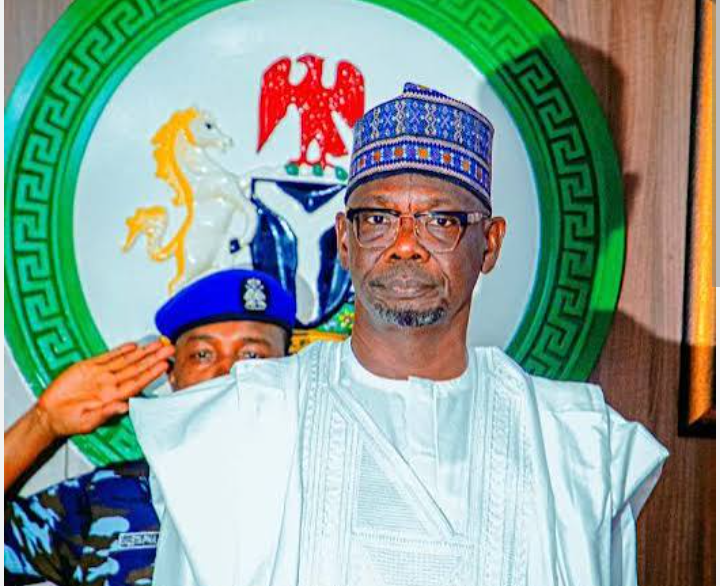
Succession Battle in Nigeria’s North Central Turns: Nasarawa Power Bloc Backs Sen. Wadada for 2027 Governorship Race
Uchechi Okporie
Apr 16, 2026
A Nation Starving and Sick: Who Is Lending Nigerians Their Death Sentence
Uchechi Okporie
Apr 16, 2026
Nigeria’s Opposition Rift Deepens as Labour Party Figure Declares Peter Obi “Politically Finished” Within Party
Uchechi Okporie

Apr 16, 2026
West Africa Signals Unity as Tinubu Congratulates Benin’s President-Elect After Overwhelming Win
Uchechi Okporie
Apr 16, 2026
Sudan Crisis Deepens, Africa Faces Growing Humanitarian Emergency
Uchechi Okporie

Apr 16, 2026
South Africa Sends Seasoned Power Broker to Washington in Strategic Diplomatic Move
Uchechi Okporie
Apr 16, 2026
“Big School, Empty Promise: Why Nigeria’s Obsession with Prestige Is Producing Unprepared Graduates”
Uchechi Okporie