Aniocha/Oshimili2027: Incumbent, Former Lawmaker, Local Chairman — But Who Can Change The Narrative?
 Uchechi Okporie
Mar 09, 2026
3 min read
Uchechi Okporie
Mar 09, 2026
3 min read
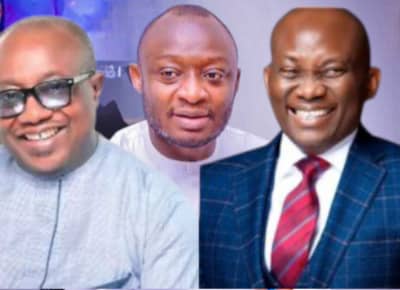
The political temperature in Aniocha/Oshimili Federal Constituency is no longer rising, it is boiling. This is not a routine contest for a seat in the House of Representatives; it is a confrontation between memory and momentum, between institutional experience and insurgent disruption, between administrative proximity and legislative sophistication. At the center of this storm stands three men whose ambitions now define the constituency’s political future: Ndudi Elumelu, Ngozi Okolie, and Obi Kelvin Ezeyinli.
Elumelu is not a stranger to power. He has walked the corridors of the National Assembly. He understands appropriation cycles, caucus negotiations, committee leverage, and the arithmetic of influence. In a legislature where relationships often determine results, he possesses what many politicians spend decades trying to build. That is not a small advantage. It is strategic capital. Yet politics is ruthless to veterans who cannot convert longevity into visible transformation.
The question hanging over Elumelu is not whether he knows Abuja. It is whether Abuja ever truly felt Aniocha/Oshimili because of him. Experience is only valuable when it produces structural change. Otherwise, it degenerates into entitlement.
Then there is Okolie, the man currently occupying the seat. Incumbency is not a theory; it is a test. It offers visibility, committee platforms, oversight powers, and federal interface. It also removes excuses. An incumbent cannot campaign on possibility; he must campaign on performance.
Okolie emerged as a disruption to established political patterns, and that disruption energized many who were tired of recycled leadership. But disruption alone does not equal delivery. The hard interrogation is unavoidable: has his tenure produced measurable legislative impact, or has it been sustained more by symbolism than by structural achievement?
Has he mastered the complex grammar of federal lawmaking, or is he still navigating it? In politics, perception fills the vacuum where performance is unclear. If impact is not aggressively communicated and undeniably visible, opponents will write the narrative.
Ezeyinli enters this equation from a different angle, that's a grassroots executive leadership. As Chairman of Oshimili South, he operates close to the people. Local government administration is immediate; it touches markets, roads, sanitation, and primary institutions. It builds familiarity. It creates daily contact. But federal representation is not an extension of local chairmanship. It is a leap into institutional warfare.
Related Posts
BREAKING: Power Struggle Erupts in Nigeria’s Opposition as New Leadership Emerges Amid Deepening Party Crisis
Nigeria’s opposition politics has been thrown into fresh uncertainty after the African Dem...
A Wave of Discontent: Inside the Coordinated Backlash Against Delta’s Three Senators
A coordinated wave of political pressure is emerging across Delta State, where three first...
Aftermath of Kwankwaso Defection: Pressure Mounts on INEC to Destabilise ADC
The African Democratic Congress (ADC) has accused the APC-led Federal Government of attemp...
Nigeria Declares Three Senate Seats Vacant, Orders Urgent By-Elections
Nigeria’s political landscape shifted on Tuesday after Senate President Godswill Akpabio a...
The House of Representatives demands policy articulation, bill drafting, coalition-building, and budgetary strategy at a national scale. Administrative competence at the local level does not automatically translate into legislative dominance at the federal level. The brutal question is whether ambition is aligned with preparedness.
What makes this contest volatile is that each man represents a different theory of leadership. Elumelu represents entrenched experience, the argument that governance is best handled by those who already understand the machinery. Okolie represents insurgent incumbency, the belief that breaking old structures creates space for new accountability. Ezeyinli represents grassroots ascendancy, the idea that proximity to the people is the purest qualification for higher office. But Aniocha/Oshimili does not need theories. It needs results.
The constituency’s challenges are not abstract. Federal neglect is not sentimental. Infrastructure gaps, economic stagnation, and youth frustration cannot be solved by rhetoric at rallies or carefully staged media appearances. They require someone who can dominate committee rooms, manipulate appropriation frameworks, negotiate inter-party alliances, and force federal resources into local pipelines. Representation is not about occupying a green seat in Abuja; it is about weaponizing that seat for constituency advantage.
This is where the controversy sharpens. If voters choose based on nostalgia, the past will return, with all its strengths and all its unresolved questions. If they choose based on anger alone, they may embrace disruption without depth. If they choose based on familiarity at the grassroots, they must be certain that familiarity can survive the brutal complexity of national legislation. Every option carries risk. Every candidacy carries vulnerability.
Elumelu must answer whether his previous tenure delivered enough to justify a return. Okolie must prove that incumbency has translated into measurable, defensible gains. Ezeyinli must demonstrate that executive proximity can evolve into legislative mastery. Sentiment cannot substitute for scrutiny. Loyalty cannot replace performance metrics.
Aniocha/Oshimili stands at a fork in its political history. The electorate can recycle power, reinforce disruption, or gamble on transition. But one truth is unavoidable: the next representative must combine strategic intelligence, legislative aggression, and uncompromising constituency advocacy. Anything less will not merely be a political disappointment, it will be another four-year delay in a constituency that can no longer afford delay.
Related Posts

Uchechi Okporie
Mar 29, 2026
Beyond Talent: Teen’s Mastery of 176 Bible Verses Becomes Defining Moment At Asaba Global Crusade with Kumuyi
The fourth day of thThee Global Crusade with Kumuyi (GCK), held in Asaba, Delta State, on March 28, 2026, delivered a deeply moving and memorable Impact Academy session at the Cenotaph grounds behind the House of Assembly along Okpanam Road.
Uchechi Okporie
Mar 28, 2026
What happened at the Ozoro Festival? A student’s testimony is shaking the community.
The Ozoro traditional council condemned the alleged assault, insisting it “does not represent the community’s cultural values” and urging security agencies to bring those responsible to justice.
Uchechi Okporie
Mar 25, 2026
Headline: Nigeria’s Main Opposition Party Averts Collapse as Rival Factions Open Unity Talks Ahead of 2027 Vote
Nigeria’s main opposition party, the Peoples Democratic Party (PDP), has stepped back from the brink of a major internal fracture, with two warring factions initiating reconciliation talks aimed at presenting a united front for the 2027 general elections.

Uchechi Okporie
Mar 20, 2026
When Culture Is Weaponized: The Corrupted Ozoro Festival and the Assault on Women
A disturbing incident in Ozoro, a community in Delta State, South South Nigeria, has triggered outrage across Nigeria after women were reportedly harassed and sexually assaulted during a local festival. The town, located in Isoko North Local Government Area, became the focus of national attention when videos surfaced online showing groups of young men physically accosting women in what appeared to be a coordinated pattern of abuse during the celebration.

Admin User
Mar 05, 2026
Trouble in APC in Delta State: A Party Struggling for Unity
Political storm in Delta state All Progressive Congress
Trending
Apr 11, 2026
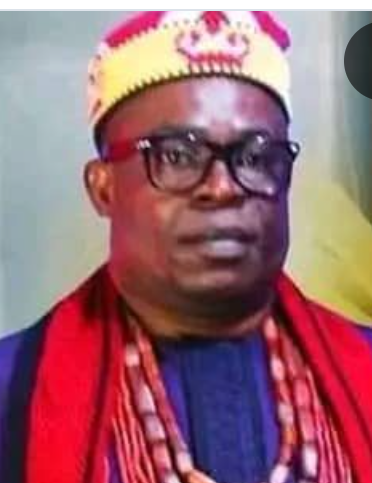
BREAKING NEWS: Gunmen Kill Imo Monarch, Five Others, Burn Bodies in Deadly Ambush
Uchechi Okporie
Apr 12, 2026
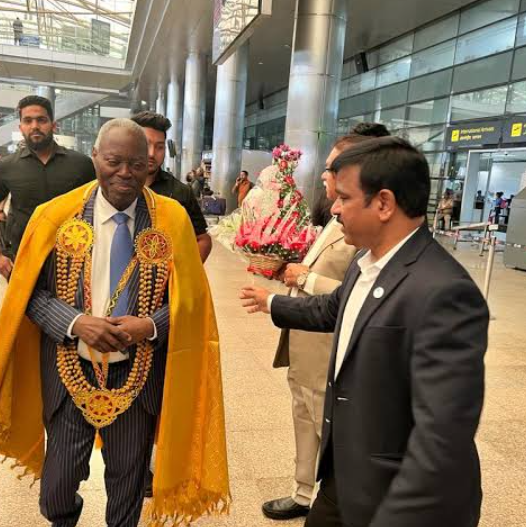
BREAKING NEWS: He Gave Up Everything… What Followed Is Shaking Thousands Right Now
Uchechi Okporie
Apr 13, 2026
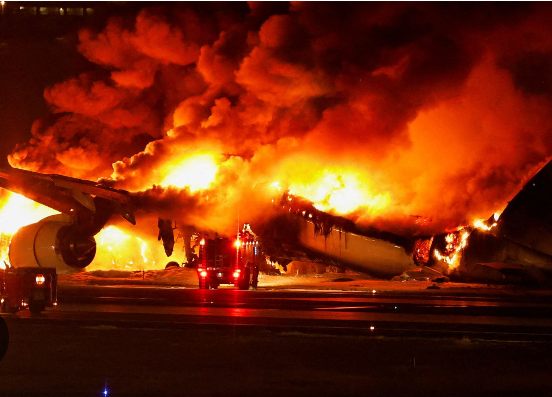
Tragedy in Northeast Nigeria as Airstrike Hits Civilian Market, Reportedly Kills 200 People - Reuters Reports
Uchechi Okporie

Apr 10, 2026
Togo Positions Port of Lomé as Alternative for Global Trade Amid Rising Tensions in Strait of Hormuz
Uchechi Okporie
Apr 10, 2026
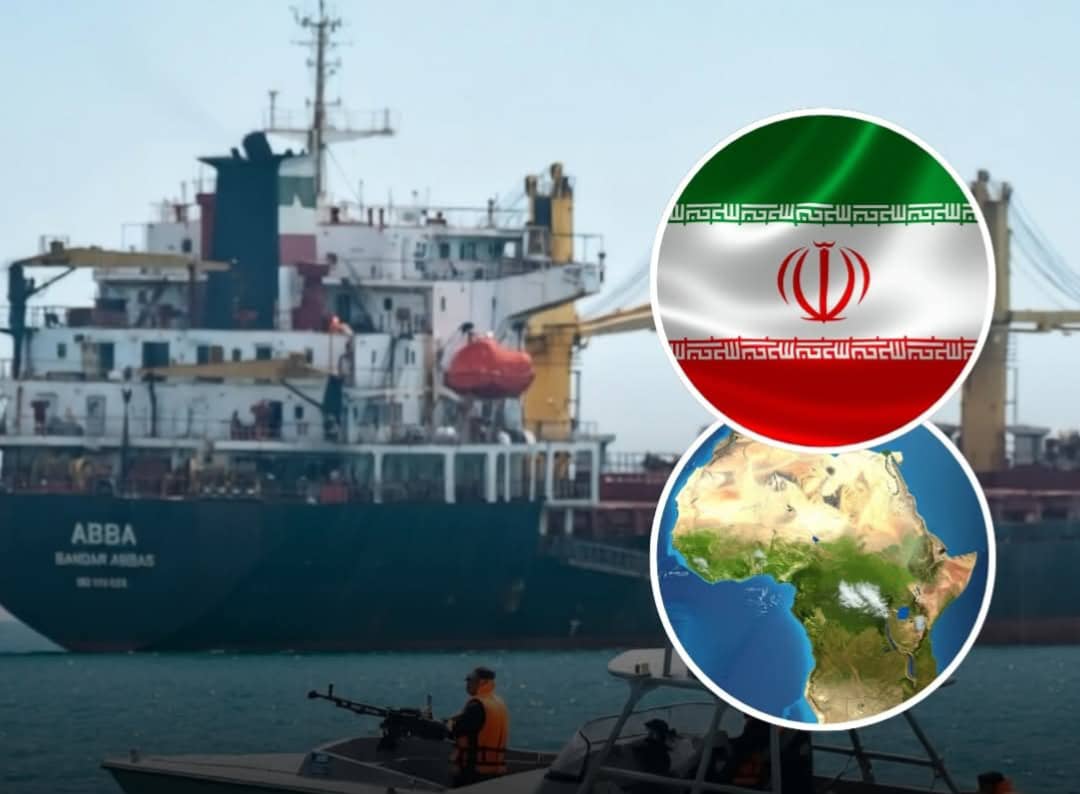
Iran Guards Block Botswana Vessels, Allow Gabon, South Africa Past Strait of Hormuz as Fragile Ceasefire Persist
Uchechi Okporie
Apr 10, 2026
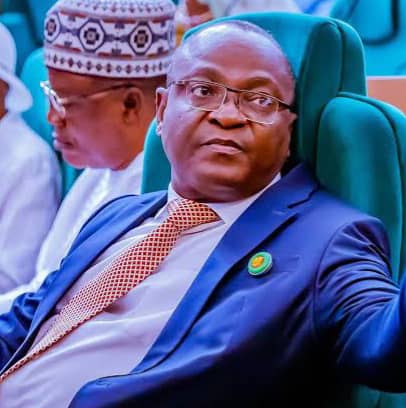
Ughelli Reps: Trouble for Waive as His Political Capital, Top Ranking GOs, Archbishops, Bishops, Pastors Disown Him, Move 2027 Support to Ominimini
Uchechi Okporie
Apr 15, 2026
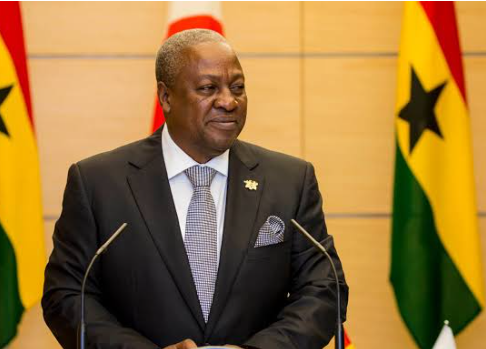
So Sad!! Ghana President Weeps, Turns to Prayers for Nigeria's Future (Read President Mahama's Emotional Statement in Accra)
Uchechi Okporie
Apr 13, 2026
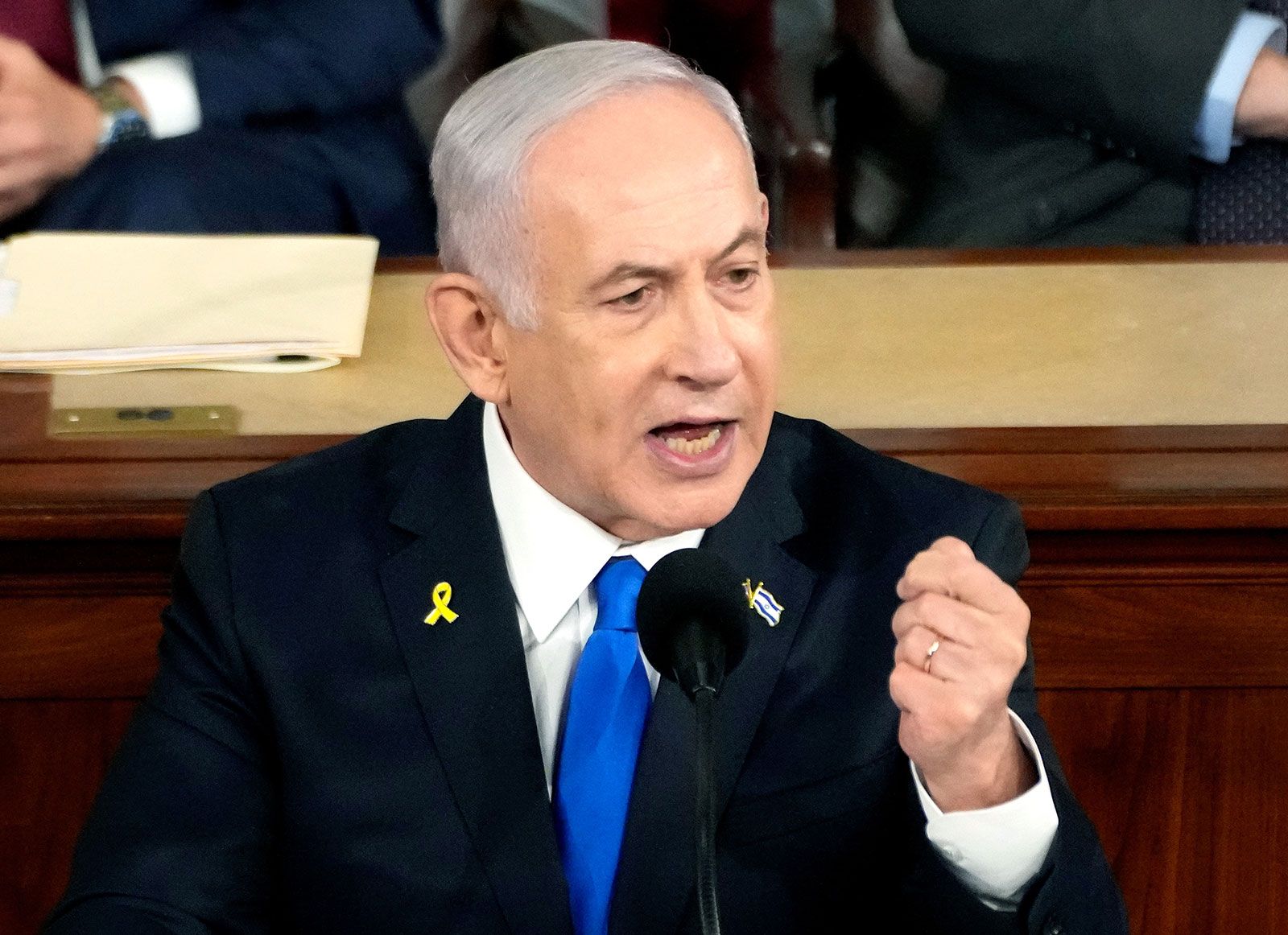
BREAKING: Israeli Prime Minister, Benjamin Netanyahu, Sentenced to 5000 Years in Prison, and here's why
Admin User
Apr 13, 2026
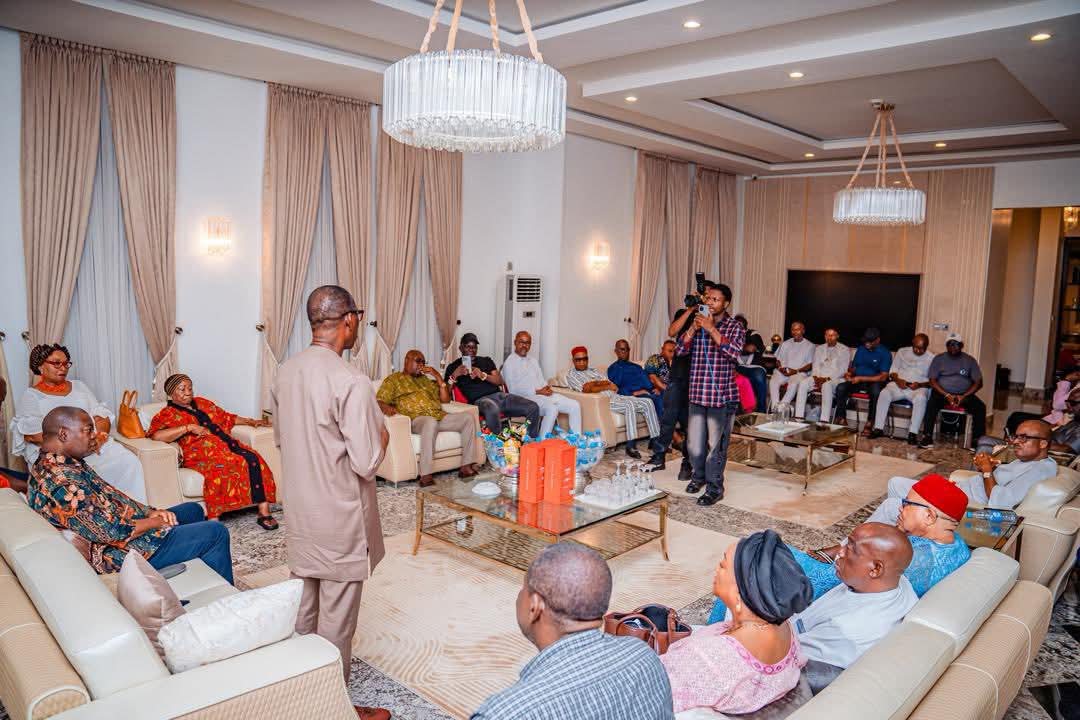
Delta North Political Battle Officially Begins as Okowa Declares for Senate, Says I've Decided to Answer The Call
Uchechi Okporie
Apr 11, 2026
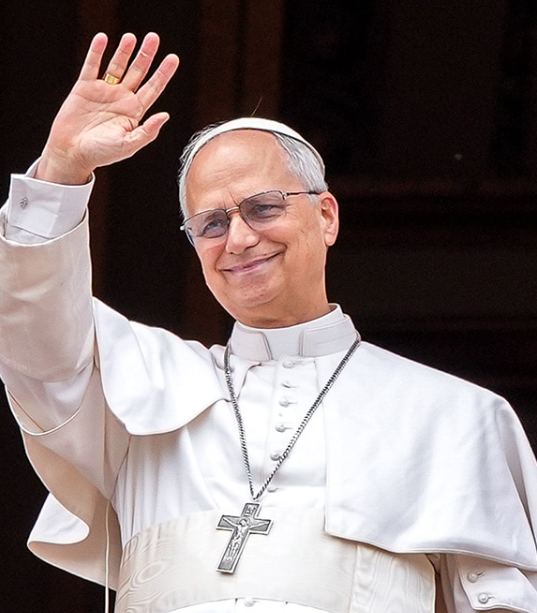
“Enough Is Enough: Pope Leo Declares War a ‘Scandal to Humanity’ in Fiery Global Peace Appeal”
Uchechi Okporie
Apr 14, 2026
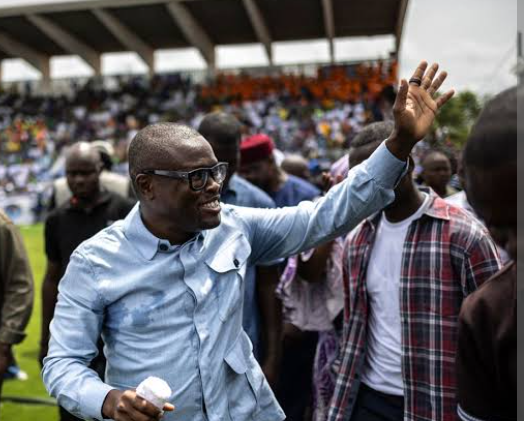
Benin Breaks the Mold: 49-Year-Old Romuald Wadagni Sweeps to Power in a Generational Shift
Uchechi Okporie
Latest Stories
Apr 16, 2026
Where Is the PDP:Silent Strategy or Slow Political Death
Uchechi Okporie
Apr 16, 2026
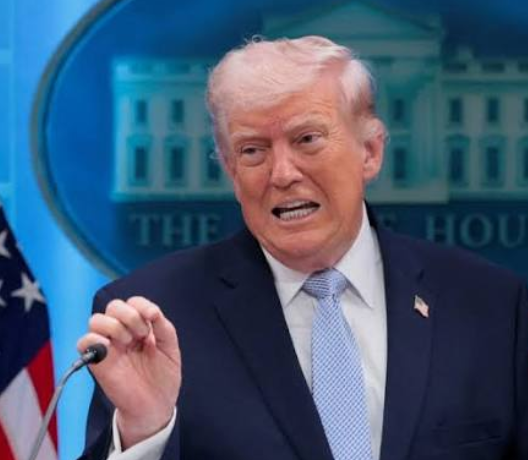
Nuclear Gamble Nears Endgame: Donald Trump Claims Iran Ready to Surrender Uranium Stockpile in High-Stakes Peace Push
Uchechi Okporie
Apr 16, 2026
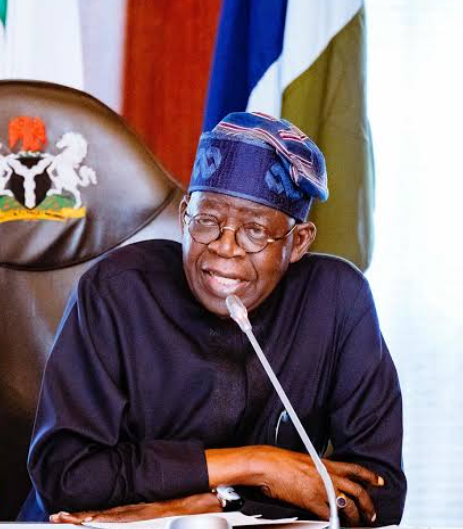
Power Struggle in Africa’s Largest Democracy: Bola Tinubu Declares ‘I Won’t Be Intimidated’ as 2027 Election Battle Takes Shape
Uchechi Okporie
Apr 16, 2026
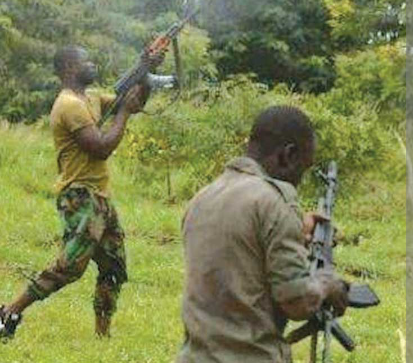
Nigeria’s Education Under fire: Gunmen Kidnap Students in Brutal Highway Attack
Uchechi Okporie
Apr 16, 2026
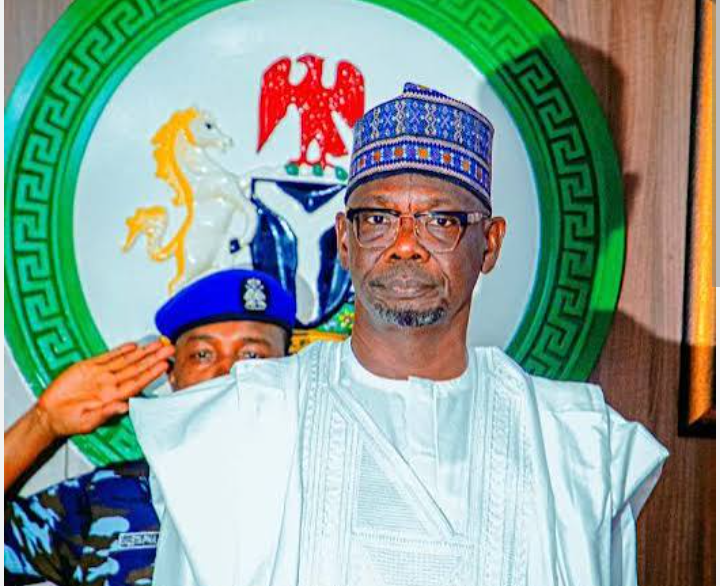
Succession Battle in Nigeria’s North Central Turns: Nasarawa Power Bloc Backs Sen. Wadada for 2027 Governorship Race
Uchechi Okporie

Apr 16, 2026
A Nation Starving and Sick: Who Is Lending Nigerians Their Death Sentence
Uchechi Okporie
Apr 16, 2026
Nigeria’s Opposition Rift Deepens as Labour Party Figure Declares Peter Obi “Politically Finished” Within Party
Uchechi Okporie
Apr 16, 2026
West Africa Signals Unity as Tinubu Congratulates Benin’s President-Elect After Overwhelming Win
Uchechi Okporie
Apr 16, 2026
Sudan Crisis Deepens, Africa Faces Growing Humanitarian Emergency
Uchechi Okporie

Apr 16, 2026
South Africa Sends Seasoned Power Broker to Washington in Strategic Diplomatic Move
Uchechi Okporie

Apr 16, 2026
“Big School, Empty Promise: Why Nigeria’s Obsession with Prestige Is Producing Unprepared Graduates”
Uchechi Okporie