When Culture Is Weaponized: The Corrupted Ozoro Festival and the Assault on Women
 Uchechi Okporie
Mar 20, 2026
3 min read
Uchechi Okporie
Mar 20, 2026
3 min read

A disturbing incident in Ozoro, a community in Delta State, South South Nigeria, has triggered outrage across Nigeria after women were reportedly harassed and sexually assaulted during a local festival. The town, located in Isoko North Local Government Area, became the focus of national attention when videos surfaced online showing groups of young men physically accosting women in what appeared to be a coordinated pattern of abuse during the celebration.
The footage, widely circulated on social media, showed women being grabbed, stripped, dragged and molested in public spaces while crowds looked on. Eyewitness accounts suggest that the festival had customary restrictions requiring women to remain indoors at certain times, and that those who were seen outside were deliberately targeted.
While official confirmation of rape in every reported case remains subject to investigation, the scenes depicted clear sexual assault and harassment, both of which constitute criminal offences under Nigerian law. Public reaction was swift and intense, with many Nigerians describing the event as barbaric and demanding immediate intervention by authorities.
The Delta State Police Command launched an investigation shortly after the videos became public. The Commissioner of Police, Aina Adesola, publicly condemned the acts, describing them as unacceptable and a violation of the rights and dignity of women. Law enforcement authorities subsequently arrested several individuals, including the alleged organisers of the festival.
Those detained were transferred to the State Criminal Investigation Department for further interrogation and possible prosecution. Police authorities have indicated that investigations are ongoing and that anyone found culpable will face the full weight of the law.
The Delta State Government also issued a formal condemnation of the incident, stating unequivocally that no cultural practice can justify the abuse of women. Government officials stressed that traditions must operate within constitutional and legal boundaries, and that any event promoting violence or sexual exploitation would not be tolerated.
The administration pledged cooperation with law enforcement agencies to ensure justice for victims and to prevent a recurrence.
Incidents of this nature raise broader concerns about gender-based violence in Nigeria and the misuse of cultural festivals as cover for criminal conduct.
Across the country, sexual assault remains significantly underreported due to stigma, fear of retaliation, and weak enforcement mechanisms. When violence is embedded within community celebrations or framed as tradition, it becomes even more difficult for victims to seek justice.
The normalization of such practices contributes to a culture of impunity in which perpetrators feel shielded by communal silence or cultural justification.
Related Posts
Where Is the PDP:Silent Strategy or Slow Political Death
Nigeria’s political space today feels unusually one-sided. The noise is coming from one di...
Power Struggle in Africa’s Largest Democracy: Bola Tinubu Declares ‘I Won’t Be Intimidated’ as 2027 Election Battle Takes Shape
Expanded International Rewrite: Nigeria’s political landscape is rapidly shifting into ca...

Nigeria’s Education Under fire: Gunmen Kidnap Students in Brutal Highway Attack
Nigeria’s deepening security crisis has struck at the heart of its future, as armed attack...
A Nation Starving and Sick: Who Is Lending Nigerians Their Death Sentence
In Nigeria today, survival has become dangerous. People are broke, hospitals are weak, an...
Governments have a constitutional obligation to protect citizens’ rights to dignity, personal liberty, and security. Where festivals or communal events consistently create conditions that enable assault, harassment, or intimidation, authorities must intervene decisively.
Proscribing or banning such festivals may become necessary when regulation fails or when organisers are unable or unwilling to prevent criminal acts. Cultural preservation cannot supersede fundamental human rights.
The right to celebrate heritage does not include the right to violate bodily autonomy.
There is also a compelling public safety rationale for banning or restructuring festivals that foster violence. Events that encourage mob behavior, gender-targeted aggression, or ritualized humiliation create environments where law enforcement becomes reactive rather than preventive.
Clear legal frameworks, advance security planning, and strict accountability for organisers are essential safeguards. Without them, festivals risk degenerating into lawless gatherings where vulnerable individuals, particularly women and girls, bear the brunt of abuse.
Moreover, permitting such events to continue unchecked undermines Nigeria’s commitments to gender equality and human rights under both domestic law and international conventions. It sends a dangerous message that certain communities can suspend constitutional protections under the guise of tradition.
Proscribing harmful festivals is not an attack on culture; rather, it is a reaffirmation that culture must evolve in line with modern legal and ethical standards.
The Ozoro incident represents more than a localized breakdown of order. It exposes systemic weaknesses in community oversight, gender protection, and preventive policing. While the arrests made so far signal that authorities are taking the matter seriously, sustained legal action and policy reform will determine whether meaningful change follows.
Governments must ensure that justice is not only promised but delivered, and that festivals across the country are subject to clear standards that protect every citizen. Ultimately, no society can claim cultural pride while tolerating violence against women.
The events in Ozoro underscore the urgent need for proactive regulation, community education, and strict enforcement of criminal law to ensure that celebrations unite communities rather than endanger them.
Related Posts
Uchechi Okporie
Apr 16, 2026
Nigeria’s Opposition Rift Deepens as Labour Party Figure Declares Peter Obi “Politically Finished” Within Party
A fresh wave of political tension is unfolding in Nigeria as a senior figure in the Labour Party, Abayomi Arabambi, has firmly declared that Peter Obi can no longer return to the party.
Uchechi Okporie
Apr 16, 2026
“Big School, Empty Promise: Why Nigeria’s Obsession with Prestige Is Producing Unprepared Graduates”
In Nigeria today, getting into a “big school” has become more than an ambition, it has turned into a national obsession.

Uchechi Okporie
Apr 16, 2026
“Smooth Roads, Silent Economy: Is Ebonyi State Building Infrastructure Without Industry”
In recent years, Ebonyi State has earned recognition for one highly visible achievement, its expanding network of smooth, well constructed roads. Connectivity has improved, travel has become easier, and on the surface, progress is evident

Uchechi Okporie
Apr 16, 2026
Top Nigerian General Killed in Terrorist Strike — Funeral Exposes Worsening War in Borno
Nigeria has been thrown into mourning after a deadly terrorist ambush claimed the life of a senior army commander and several soldiers, a development that is sending fresh waves of concern across Africa and beyond.
Uchechi Okporie
Apr 15, 2026
BREAKING: Nigeria Shifts High-Profile Terror Case — Former Minister’s Son Faces New Arms Charges in Dramatic Legal Twist
In a surprising turn that is already drawing global attention, the Federal Government of Nigeria has withdrawn terrorism charges against the son of former Attorney- General, Abubakar Malami, alongside others, and instead re-arraigned them on fresh allegations related to illegal arms possession.
Uchechi Okporie
Apr 15, 2026
There was a time Nigerians were ready to pay N10k per litre of fuel but not available - Akpabio says
Senate President Godswill Akpabio has urged Nigerians to exercise patience with the administration of Bola Ahmed Tinubu, asserting that the government’s sweeping economic reforms are beginning to yield measurable gains, particularly in the petroleum sector, long plagued by instability.
Uchechi Okporie
Apr 15, 2026
Nigeria’s Most Valuable Bank Does It Again — Five Years Running (Check if it's your bank)
Access Bank Plc has once again been named Nigeria’s most valuable brand, marking its fifth consecutive year at the top, according to the latest rankings released in the 2026 Nigeria 25 report by Brand Finance. The bank’s sustained dominance highlights its resilience and strategic positioning within an increasingly competitive financial services sector.
Uchechi Okporie
Apr 14, 2026
“Africa’s Giant Makes a Bold Claim: Nigeria Set to Outpace US and UK in Surprise Economic Surge”
Nigeria’s presidency has declared that the country’s economy is on track to grow faster than major global powers, including the United States and the United Kingdom, in 2026—an assertion that is already stirring global attention and debate.
Trending
Apr 11, 2026
BREAKING NEWS: Gunmen Kill Imo Monarch, Five Others, Burn Bodies in Deadly Ambush
Uchechi Okporie
Apr 12, 2026
BREAKING NEWS: He Gave Up Everything… What Followed Is Shaking Thousands Right Now
Uchechi Okporie
Apr 13, 2026
Tragedy in Northeast Nigeria as Airstrike Hits Civilian Market, Reportedly Kills 200 People - Reuters Reports
Uchechi Okporie

Apr 10, 2026
Togo Positions Port of Lomé as Alternative for Global Trade Amid Rising Tensions in Strait of Hormuz
Uchechi Okporie
Apr 10, 2026
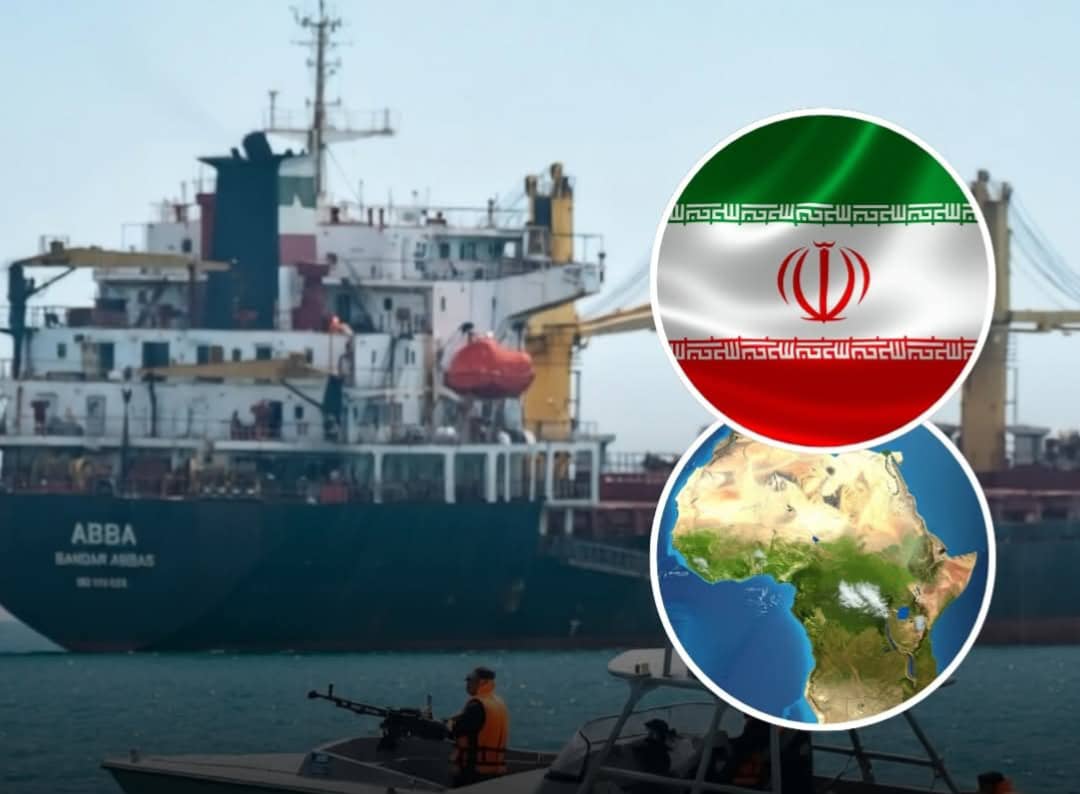
Iran Guards Block Botswana Vessels, Allow Gabon, South Africa Past Strait of Hormuz as Fragile Ceasefire Persist
Uchechi Okporie
Apr 10, 2026
Ughelli Reps: Trouble for Waive as His Political Capital, Top Ranking GOs, Archbishops, Bishops, Pastors Disown Him, Move 2027 Support to Ominimini
Uchechi Okporie
Apr 15, 2026
So Sad!! Ghana President Weeps, Turns to Prayers for Nigeria's Future (Read President Mahama's Emotional Statement in Accra)
Uchechi Okporie
Apr 13, 2026
BREAKING: Israeli Prime Minister, Benjamin Netanyahu, Sentenced to 5000 Years in Prison, and here's why
 Admin User
Apr 13, 2026
Delta North Political Battle Officially Begins as Okowa Declares for Senate, Says I've Decided to Answer The Call
Uchechi Okporie
Apr 11, 2026
“Enough Is Enough: Pope Leo Declares War a ‘Scandal to Humanity’ in Fiery Global Peace Appeal”
Uchechi Okporie
Apr 14, 2026
Benin Breaks the Mold: 49-Year-Old Romuald Wadagni Sweeps to Power in a Generational Shift
Uchechi Okporie
Latest Stories
Apr 16, 2026
Where Is the PDP:Silent Strategy or Slow Political Death
Uchechi Okporie
Apr 16, 2026
Nuclear Gamble Nears Endgame: Donald Trump Claims Iran Ready to Surrender Uranium Stockpile in High-Stakes Peace Push
Uchechi Okporie
Apr 16, 2026
Power Struggle in Africa’s Largest Democracy: Bola Tinubu Declares ‘I Won’t Be Intimidated’ as 2027 Election Battle Takes Shape
Uchechi Okporie
Apr 16, 2026
Nigeria’s Education Under fire: Gunmen Kidnap Students in Brutal Highway Attack
Uchechi Okporie
Apr 16, 2026
Succession Battle in Nigeria’s North Central Turns: Nasarawa Power Bloc Backs Sen. Wadada for 2027 Governorship Race
Uchechi Okporie
Apr 16, 2026
A Nation Starving and Sick: Who Is Lending Nigerians Their Death Sentence
Uchechi Okporie
Apr 16, 2026
Nigeria’s Opposition Rift Deepens as Labour Party Figure Declares Peter Obi “Politically Finished” Within Party
Uchechi Okporie
Apr 16, 2026
West Africa Signals Unity as Tinubu Congratulates Benin’s President-Elect After Overwhelming Win
Uchechi Okporie
Apr 16, 2026
Sudan Crisis Deepens, Africa Faces Growing Humanitarian Emergency
Uchechi Okporie

Apr 16, 2026
South Africa Sends Seasoned Power Broker to Washington in Strategic Diplomatic Move
Uchechi Okporie
Apr 16, 2026
“Big School, Empty Promise: Why Nigeria’s Obsession with Prestige Is Producing Unprepared Graduates”
Uchechi Okporie