Stop Blaming the President: Nigeria’s Real Crisis Is a Failure of Citizenship
 Uchechi Okporie
Mar 18, 2026
3 min read
Uchechi Okporie
Mar 18, 2026
3 min read
BY UCHECHI OKPORIE
Nigeria is not a poor nation. It is not a cursed nation. It is not a helpless nation. Nigeria is richly endowed with oil, gas, vast agricultural potential, a dynamic entrepreneurial class, and one of the most energetic youth populations in the world.
Yet decades after independence, the country remains trapped in recurring cycles of economic instability, political hostility, and public frustration. The uncomfortable truth is this: Nigeria’s stagnation is not only a leadership crisis. It is also a citizenship crisis.
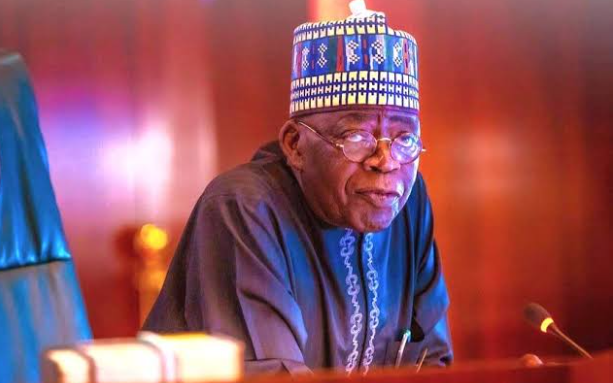
Under the administration of Bola Ahmed Tinubu, Nigeria is navigating difficult economic reforms, inflationary pressures, currency volatility, and structural adjustments. Governing a country of more than 200 million people with diverse ethnic, religious, and economic interests is extraordinarily complex.
Leadership at that scale demands strategic trade-offs, unpopular reforms, and long-term thinking. But governance does not happen in isolation. It reflects the civic culture of the people.
In Nigeria, every hardship is reflexively blamed on “the government.” Rising fuel prices, exchange rate instability, unemployment, insecurity, everything is government. While leadership must absolutely be accountable, the culture of perpetual blame has become a convenient shield against personal responsibility. A democracy cannot outperform the civic character of its citizens.
Who pays bribes to avoid minor penalties? Who sells votes during elections? Who demands public services while evading taxes? Who celebrates unexplained wealth yet condemns corruption in politics?
These contradictions weaken national development. Accountability must flow both upward and downward. Leaders must govern transparently and competently. Citizens must act lawfully, ethically, and productively. When either fails, the nation struggles. When both sides avoid responsibility, progress stalls.
Nigeria’s democratic environment also reflects this tension. Political competition between figures such as Peter Obi and other contenders represents ideological diversity, which is healthy in any democracy.
However, elections should not transform into permanent hostility. A nation cannot remain in endless campaign mode. Democracy allows competition before the ballot; it demands cooperation after it.
When every policy is filtered through partisan resentment, reform becomes nearly impossible. Investors hesitate. Institutions weaken. Public trust erodes. Democracy requires maturity, and maturity requires restraint.
Reform, especially economic reform, is rarely comfortable. Serious structural change often brings short-term pain before long-term stability.
Related Posts
Where Is the PDP:Silent Strategy or Slow Political Death
Nigeria’s political space today feels unusually one-sided. The noise is coming from one di...
Power Struggle in Africa’s Largest Democracy: Bola Tinubu Declares ‘I Won’t Be Intimidated’ as 2027 Election Battle Takes Shape
Expanded International Rewrite: Nigeria’s political landscape is rapidly shifting into ca...
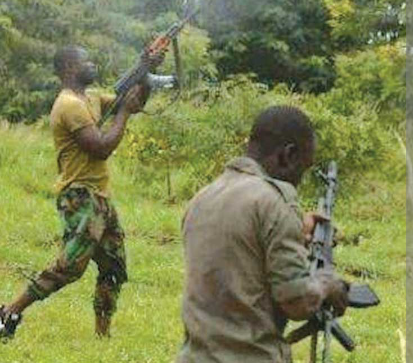
Nigeria’s Education Under fire: Gunmen Kidnap Students in Brutal Highway Attack
Nigeria’s deepening security crisis has struck at the heart of its future, as armed attack...
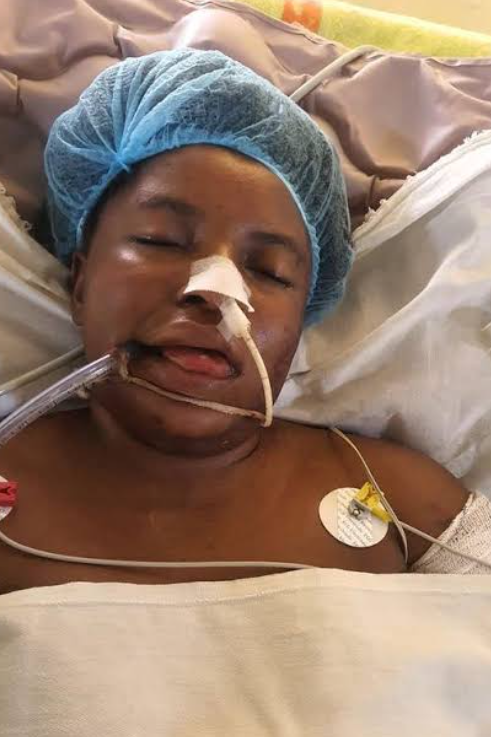
A Nation Starving and Sick: Who Is Lending Nigerians Their Death Sentence
In Nigeria today, survival has become dangerous. People are broke, hospitals are weak, an...
Currency corrections, subsidy removals, fiscal discipline, and institutional restructuring are never immediately popular. Yet no nation has achieved sustainable growth without difficult transitions.
What makes reform harder in Nigeria is not merely policy design, it is civic resistance to discipline. Citizens cannot demand stable electricity while vandalizing infrastructure. They cannot demand a strong currency while undermining productivity. They cannot call for foreign investment while promoting instability. They cannot expect efficient public services while normalizing tax evasion.
National development is not built on emotion. It is built on productivity, institutional reform, discipline, and social trust.
No president, whether Bola Ahmed Tinubu, Peter Obi, or any future leader, can single-handedly transform Nigeria without citizen alignment.
Political leadership can set direction, implement policy, and enforce law. But economic growth ultimately depends on millions of daily decisions made by ordinary citizens: to work honestly, to build ethically, to obey laws voluntarily, and to prioritize national interest over personal gain.
A corrupt society cannot consistently produce incorruptible governance. Systems eventually reflect culture.
Nigeria’s greatest untapped resource is not crude oil. It is civic discipline. When citizens obey laws without coercion, reject corruption even at personal cost, pay taxes responsibly, and reward competence over sentiment, governance improves because incentives change. Politicians respond to the expectations and behaviors of voters.
Nigeria stands at a crossroads. One path continues the cycle of blame, outrage, and partisan hostility. The other path demands sober self-examination and shared sacrifice.
A strong nation requires leaders who govern with courage and transparency, but it also requires citizens who practice responsibility and restraint.
Nigeria’s future will not be decided solely in Aso Rock. It will be shaped in markets, classrooms, businesses, homes, and polling units, where everyday Nigerians either reinforce dysfunction or cultivate discipline.
The era of blaming presidents as a national pastime must end. If Nigeria is to achieve stability, prosperity, and global respect, responsibility must become patriotic. And that responsibility belongs to every Nigerian.
Related Posts
Uchechi Okporie
Apr 16, 2026
Nigeria’s Opposition Rift Deepens as Labour Party Figure Declares Peter Obi “Politically Finished” Within Party
A fresh wave of political tension is unfolding in Nigeria as a senior figure in the Labour Party, Abayomi Arabambi, has firmly declared that Peter Obi can no longer return to the party.
Uchechi Okporie
Apr 16, 2026
“Big School, Empty Promise: Why Nigeria’s Obsession with Prestige Is Producing Unprepared Graduates”
In Nigeria today, getting into a “big school” has become more than an ambition, it has turned into a national obsession.
Uchechi Okporie
Apr 16, 2026
“Smooth Roads, Silent Economy: Is Ebonyi State Building Infrastructure Without Industry”
In recent years, Ebonyi State has earned recognition for one highly visible achievement, its expanding network of smooth, well constructed roads. Connectivity has improved, travel has become easier, and on the surface, progress is evident

Uchechi Okporie
Apr 16, 2026
Top Nigerian General Killed in Terrorist Strike — Funeral Exposes Worsening War in Borno
Nigeria has been thrown into mourning after a deadly terrorist ambush claimed the life of a senior army commander and several soldiers, a development that is sending fresh waves of concern across Africa and beyond.
Uchechi Okporie
Apr 15, 2026
BREAKING: Nigeria Shifts High-Profile Terror Case — Former Minister’s Son Faces New Arms Charges in Dramatic Legal Twist
In a surprising turn that is already drawing global attention, the Federal Government of Nigeria has withdrawn terrorism charges against the son of former Attorney- General, Abubakar Malami, alongside others, and instead re-arraigned them on fresh allegations related to illegal arms possession.
Uchechi Okporie
Apr 15, 2026
There was a time Nigerians were ready to pay N10k per litre of fuel but not available - Akpabio says
Senate President Godswill Akpabio has urged Nigerians to exercise patience with the administration of Bola Ahmed Tinubu, asserting that the government’s sweeping economic reforms are beginning to yield measurable gains, particularly in the petroleum sector, long plagued by instability.
Uchechi Okporie
Apr 15, 2026
Nigeria’s Most Valuable Bank Does It Again — Five Years Running (Check if it's your bank)
Access Bank Plc has once again been named Nigeria’s most valuable brand, marking its fifth consecutive year at the top, according to the latest rankings released in the 2026 Nigeria 25 report by Brand Finance. The bank’s sustained dominance highlights its resilience and strategic positioning within an increasingly competitive financial services sector.
Uchechi Okporie
Apr 14, 2026
“Africa’s Giant Makes a Bold Claim: Nigeria Set to Outpace US and UK in Surprise Economic Surge”
Nigeria’s presidency has declared that the country’s economy is on track to grow faster than major global powers, including the United States and the United Kingdom, in 2026—an assertion that is already stirring global attention and debate.
Trending
Apr 11, 2026
BREAKING NEWS: Gunmen Kill Imo Monarch, Five Others, Burn Bodies in Deadly Ambush
Uchechi Okporie
Apr 12, 2026
BREAKING NEWS: He Gave Up Everything… What Followed Is Shaking Thousands Right Now
Uchechi Okporie
Apr 13, 2026
Tragedy in Northeast Nigeria as Airstrike Hits Civilian Market, Reportedly Kills 200 People - Reuters Reports
Uchechi Okporie
Apr 10, 2026
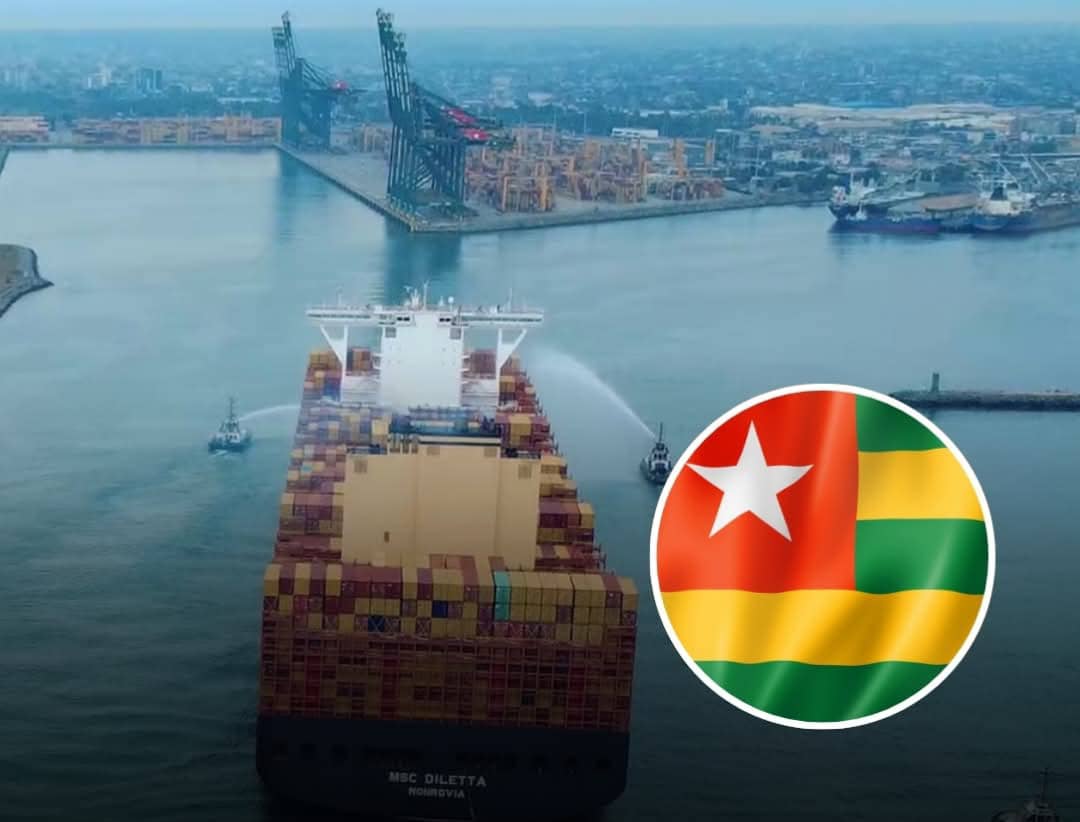
Togo Positions Port of Lomé as Alternative for Global Trade Amid Rising Tensions in Strait of Hormuz
Uchechi Okporie
Apr 10, 2026
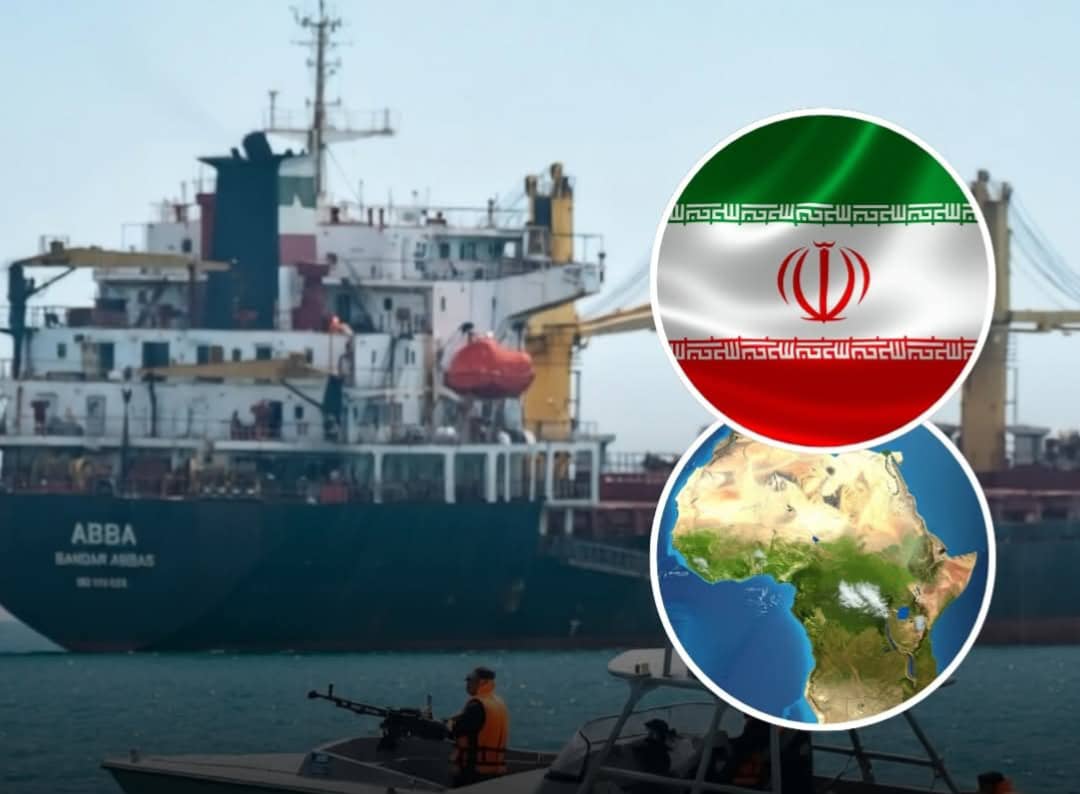
Iran Guards Block Botswana Vessels, Allow Gabon, South Africa Past Strait of Hormuz as Fragile Ceasefire Persist
Uchechi Okporie
Apr 10, 2026
Ughelli Reps: Trouble for Waive as His Political Capital, Top Ranking GOs, Archbishops, Bishops, Pastors Disown Him, Move 2027 Support to Ominimini
Uchechi Okporie
Apr 15, 2026
So Sad!! Ghana President Weeps, Turns to Prayers for Nigeria's Future (Read President Mahama's Emotional Statement in Accra)
Uchechi Okporie
Apr 13, 2026
BREAKING: Israeli Prime Minister, Benjamin Netanyahu, Sentenced to 5000 Years in Prison, and here's why
 Admin User
Apr 13, 2026
Delta North Political Battle Officially Begins as Okowa Declares for Senate, Says I've Decided to Answer The Call
Uchechi Okporie
Apr 11, 2026
“Enough Is Enough: Pope Leo Declares War a ‘Scandal to Humanity’ in Fiery Global Peace Appeal”
Uchechi Okporie
Apr 14, 2026
Benin Breaks the Mold: 49-Year-Old Romuald Wadagni Sweeps to Power in a Generational Shift
Uchechi Okporie
Latest Stories
Apr 16, 2026
Where Is the PDP:Silent Strategy or Slow Political Death
Uchechi Okporie
Apr 16, 2026
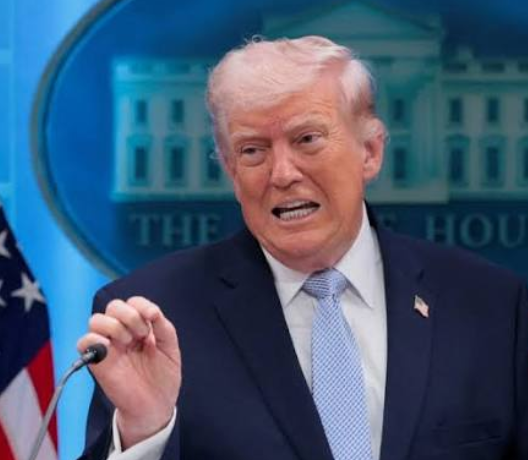
Nuclear Gamble Nears Endgame: Donald Trump Claims Iran Ready to Surrender Uranium Stockpile in High-Stakes Peace Push
Uchechi Okporie
Apr 16, 2026
Power Struggle in Africa’s Largest Democracy: Bola Tinubu Declares ‘I Won’t Be Intimidated’ as 2027 Election Battle Takes Shape
Uchechi Okporie
Apr 16, 2026
Nigeria’s Education Under fire: Gunmen Kidnap Students in Brutal Highway Attack
Uchechi Okporie
Apr 16, 2026
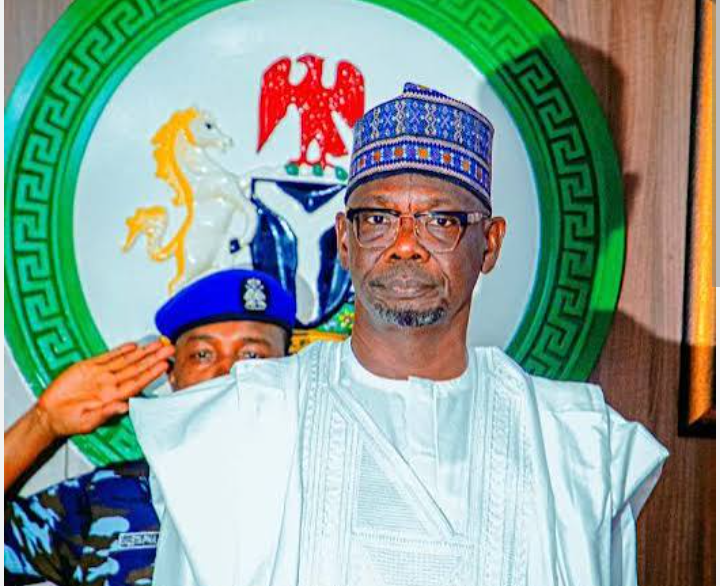
Succession Battle in Nigeria’s North Central Turns: Nasarawa Power Bloc Backs Sen. Wadada for 2027 Governorship Race
Uchechi Okporie
Apr 16, 2026
A Nation Starving and Sick: Who Is Lending Nigerians Their Death Sentence
Uchechi Okporie
Apr 16, 2026
Nigeria’s Opposition Rift Deepens as Labour Party Figure Declares Peter Obi “Politically Finished” Within Party
Uchechi Okporie
Apr 16, 2026
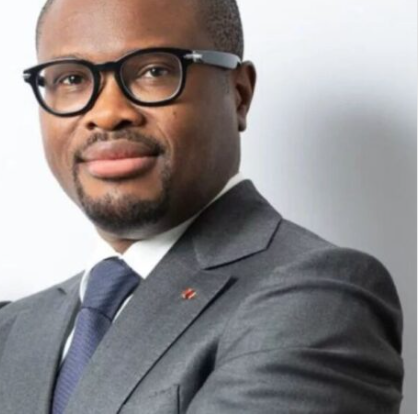
West Africa Signals Unity as Tinubu Congratulates Benin’s President-Elect After Overwhelming Win
Uchechi Okporie
Apr 16, 2026
Sudan Crisis Deepens, Africa Faces Growing Humanitarian Emergency
Uchechi Okporie
Apr 16, 2026
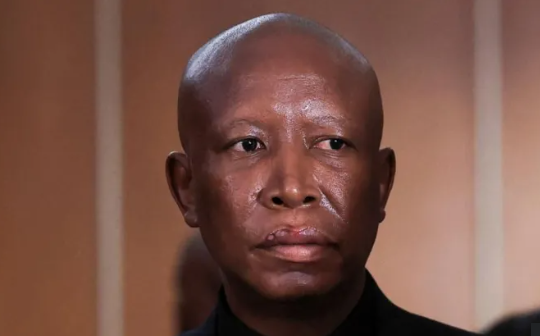
South Africa Sends Seasoned Power Broker to Washington in Strategic Diplomatic Move
Uchechi Okporie
Apr 16, 2026
“Big School, Empty Promise: Why Nigeria’s Obsession with Prestige Is Producing Unprepared Graduates”
Uchechi Okporie