Tensions Peak as Iran Tightens Grip on Strait of Hormuz, the Global Energy Chokepoint
 Uchechi Okporie
Apr 06, 2026
3 min read
Uchechi Okporie
Apr 06, 2026
3 min read
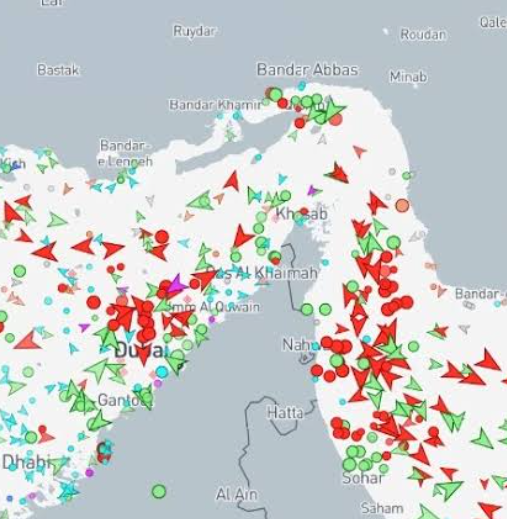
The Strait of Hormuz, a narrow but critically important maritime corridor linking the Persian Gulf to the Gulf of Oman, has become the focal point of escalating geopolitical tension, with Iran signaling that the waterway may never return to its pre-war operational status.
In a statement posted Monday on X (formerly Twitter), Iran’s naval command declared that the strategic passage, through which roughly a fifth of the world’s oil supply typically flows, will undergo permanent transformation.
The message, attributed to the Islamic Revolutionary Guard Corps Navy, indicated that preparations are underway to establish what it described as a “new order” in the Gulf, one that would significantly alter transit conditions, particularly for vessels linked to the United States and Israel.
The Strait of Hormuz is only about 33 kilometers (21 miles) wide at its narrowest point, with designated shipping lanes even tighter, making it one of the world’s most vulnerable energy chokepoints. Any disruption there has immediate ripple effects across global oil markets, shipping insurance costs, and energy security calculations for major economies.
Tensions escalated further following comments from Seyyed Mohammad Mehdi Tabatabaei, who responded to threats from Donald Trump regarding reopening the strait.
Tabatabaei stated that Iran would only fully restore access after war-related damages are compensated, potentially through transit toll revenues imposed on vessels passing through the strait. He also criticized Trump’s rhetoric, characterizing it as reactionary and unfounded.
In practice, Iran has already begun reshaping access to the waterway. Select non-Iranian vessels are being allowed to pass, but under strict controls and, in some cases, substantial transit fees reportedly reaching into the millions of dollars.
This marks a significant departure from the strait’s historical status as an open international shipping lane under customary maritime norms.
Related Posts
Togo Positions Port of Lomé as Alternative for Global Trade Amid Rising Tensions in Strait of Hormuz
Modernized West African hub emerges as strategic alternative as disruptions in key global...
Iran Guards Block Botswana Vessels, Allow Gabon, South Africa Past Strait of Hormuz as Fragile Ceasefire Persist
Shipping activity in the strategically vital Strait of Hormuz is showing tentative signs o...
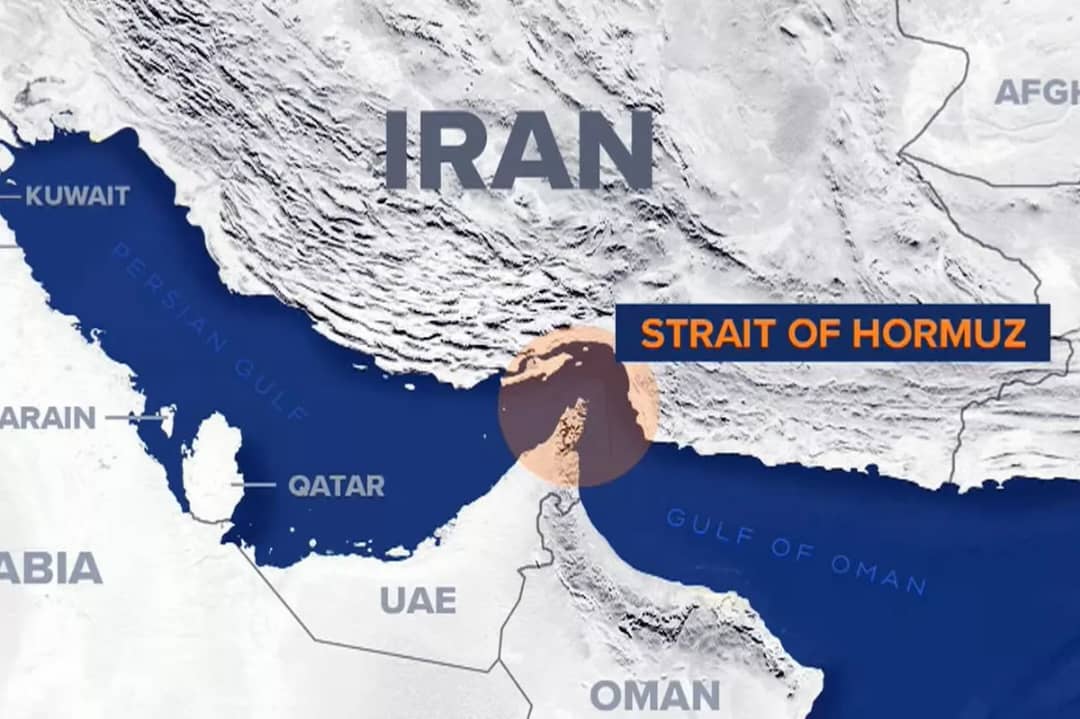
Why the Strait of Hormuz Matters to the World Economy: What's it all about
The Strait of Hormuz is one of the most strategically important waterways in the world, se...
Meanwhile, regional oil logistics are adjusting to the evolving situation. Iraq’s state oil marketer, State Organization for Marketing of Oil (SOMO),has urged clients to urgently submit crude lifting schedules to maintain export continuity.
This follows indications that Iran may be granting Iraq limited exemptions from transit restrictions, an important development given Iraq’s reliance on Gulf export routes via terminals such as Basrah.
SOMO emphasized that its export infrastructure remains fully operational and capable of meeting contractual obligations.
However, the uncertainty surrounding maritime security in the Gulf persists.
Even if oil is available for export, tanker operators and insurers may be reluctant to enter a conflict-affected zone where military escalation remains ongoing.
For global markets, the stakes are high. Any sustained disruption in the Strait of Hormuz could constrain supply from major OPEC producers, drive up oil prices, and force alternative routing strategies that are significantly more expensive and time-consuming.
The situation remains fluid, with the long-term status of this critical chokepoint now deeply entangled in regional conflict dynamics.
Related Posts
No related posts found.
Trending

Apr 11, 2026
BREAKING NEWS: Gunmen Kill Imo Monarch, Five Others, Burn Bodies in Deadly Ambush
Uchechi Okporie
Apr 12, 2026
BREAKING NEWS: He Gave Up Everything… What Followed Is Shaking Thousands Right Now
Uchechi Okporie
Apr 13, 2026
Tragedy in Northeast Nigeria as Airstrike Hits Civilian Market, Reportedly Kills 200 People - Reuters Reports
Uchechi Okporie
Apr 10, 2026
Togo Positions Port of Lomé as Alternative for Global Trade Amid Rising Tensions in Strait of Hormuz
Uchechi Okporie
Apr 10, 2026
Iran Guards Block Botswana Vessels, Allow Gabon, South Africa Past Strait of Hormuz as Fragile Ceasefire Persist
Uchechi Okporie
Apr 10, 2026
Ughelli Reps: Trouble for Waive as His Political Capital, Top Ranking GOs, Archbishops, Bishops, Pastors Disown Him, Move 2027 Support to Ominimini
Uchechi Okporie
Apr 15, 2026
So Sad!! Ghana President Weeps, Turns to Prayers for Nigeria's Future (Read President Mahama's Emotional Statement in Accra)
Uchechi Okporie
Apr 13, 2026
BREAKING: Israeli Prime Minister, Benjamin Netanyahu, Sentenced to 5000 Years in Prison, and here's why
 Admin User
Apr 13, 2026
Delta North Political Battle Officially Begins as Okowa Declares for Senate, Says I've Decided to Answer The Call
Uchechi Okporie

Apr 11, 2026
“Enough Is Enough: Pope Leo Declares War a ‘Scandal to Humanity’ in Fiery Global Peace Appeal”
Uchechi Okporie
Apr 14, 2026
Benin Breaks the Mold: 49-Year-Old Romuald Wadagni Sweeps to Power in a Generational Shift
Uchechi Okporie
Latest Stories
Apr 16, 2026
Where Is the PDP:Silent Strategy or Slow Political Death
Uchechi Okporie
Apr 16, 2026
Nuclear Gamble Nears Endgame: Donald Trump Claims Iran Ready to Surrender Uranium Stockpile in High-Stakes Peace Push
Uchechi Okporie
Apr 16, 2026
Power Struggle in Africa’s Largest Democracy: Bola Tinubu Declares ‘I Won’t Be Intimidated’ as 2027 Election Battle Takes Shape
Uchechi Okporie

Apr 16, 2026
Nigeria’s Education Under fire: Gunmen Kidnap Students in Brutal Highway Attack
Uchechi Okporie
Apr 16, 2026
Succession Battle in Nigeria’s North Central Turns: Nasarawa Power Bloc Backs Sen. Wadada for 2027 Governorship Race
Uchechi Okporie

Apr 16, 2026
A Nation Starving and Sick: Who Is Lending Nigerians Their Death Sentence
Uchechi Okporie
Apr 16, 2026
Nigeria’s Opposition Rift Deepens as Labour Party Figure Declares Peter Obi “Politically Finished” Within Party
Uchechi Okporie

Apr 16, 2026
West Africa Signals Unity as Tinubu Congratulates Benin’s President-Elect After Overwhelming Win
Uchechi Okporie
Apr 16, 2026
Sudan Crisis Deepens, Africa Faces Growing Humanitarian Emergency
Uchechi Okporie

Apr 16, 2026
South Africa Sends Seasoned Power Broker to Washington in Strategic Diplomatic Move
Uchechi Okporie

Apr 16, 2026
“Big School, Empty Promise: Why Nigeria’s Obsession with Prestige Is Producing Unprepared Graduates”
Uchechi Okporie