Why the Strait of Hormuz Matters to the World Economy: What's it all about
 Uchechi Okporie
Apr 07, 2026
3 min read
Uchechi Okporie
Apr 07, 2026
3 min read
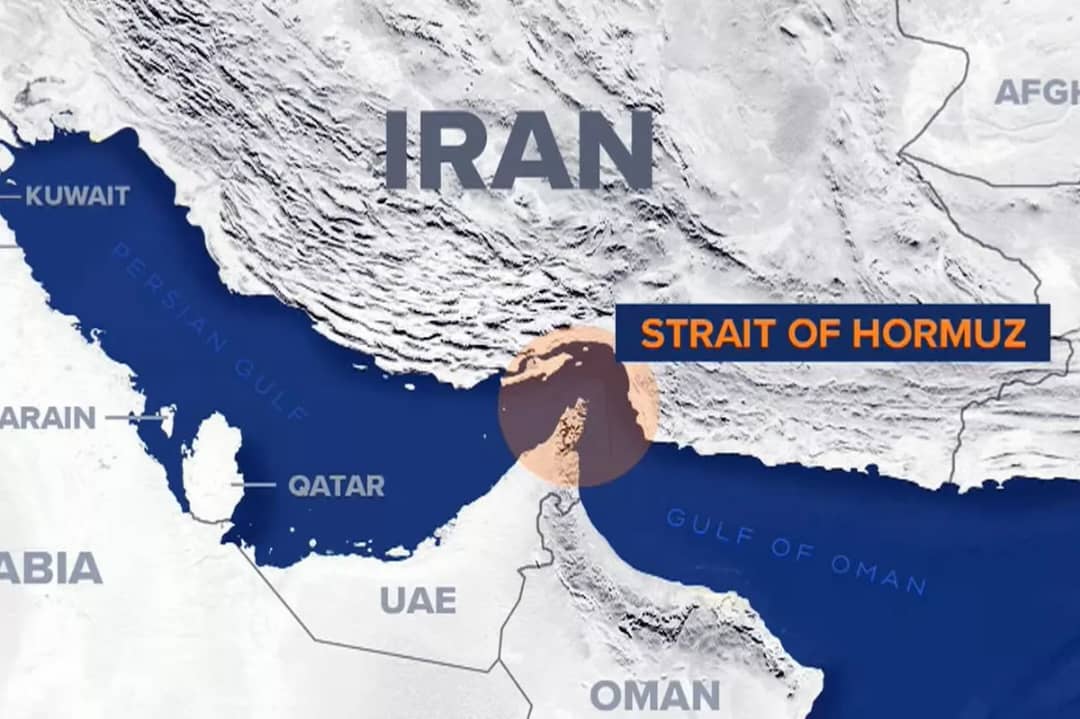
The Strait of Hormuz is one of the most strategically important waterways in the world, serving as a critical link between the Persian Gulf and the Gulf of Oman, which opens into the Arabian Sea.
Geographically, it is a narrow passage, about 33 kilometers wide at its narrowest point—with shipping lanes only a few kilometers wide in each direction. This constrained structure makes it both highly efficient for maritime transit and extremely vulnerable to disruption.
The strait is bordered by Iran to the north and Oman to the south, specifically the Musandam Peninsula, giving both countries significant geographic influence over the corridor. Its global importance is largely tied to energy transportation.
A substantial portion of the world’s oil, estimated at roughly one-fifth to one-third of all seaborne petroleum, passes through this narrow channel every day. Major oil-producing countries such as Saudi Arabia, Iraq, United Arab Emirates, Kuwait, and Qatar rely heavily on it to export crude oil and liquefied natural gas to global markets.
This makes the strait an essential artery not only for regional economies but also for major energy-importing nations like China, India, Japan, and South Korea. Any interruption in the flow of traffic through the strait has immediate and often severe implications for global oil prices, supply chains, and economic stability.
Beyond its economic role, the Strait of Hormuz is also a focal point of geopolitical tension and military strategy. Iran, which controls the northern coastline, has frequently used the strait as leverage in international disputes, particularly in response to economic sanctions or regional conflicts.
Related Posts
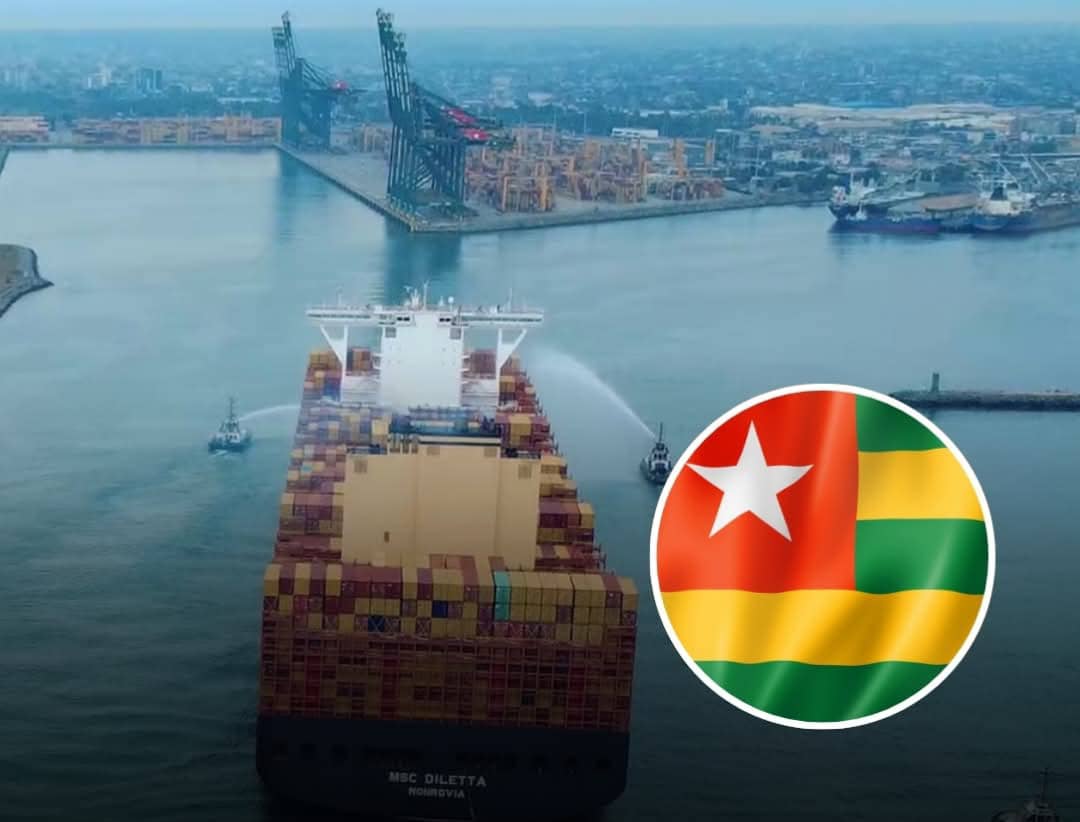
Togo Positions Port of Lomé as Alternative for Global Trade Amid Rising Tensions in Strait of Hormuz
Modernized West African hub emerges as strategic alternative as disruptions in key global...
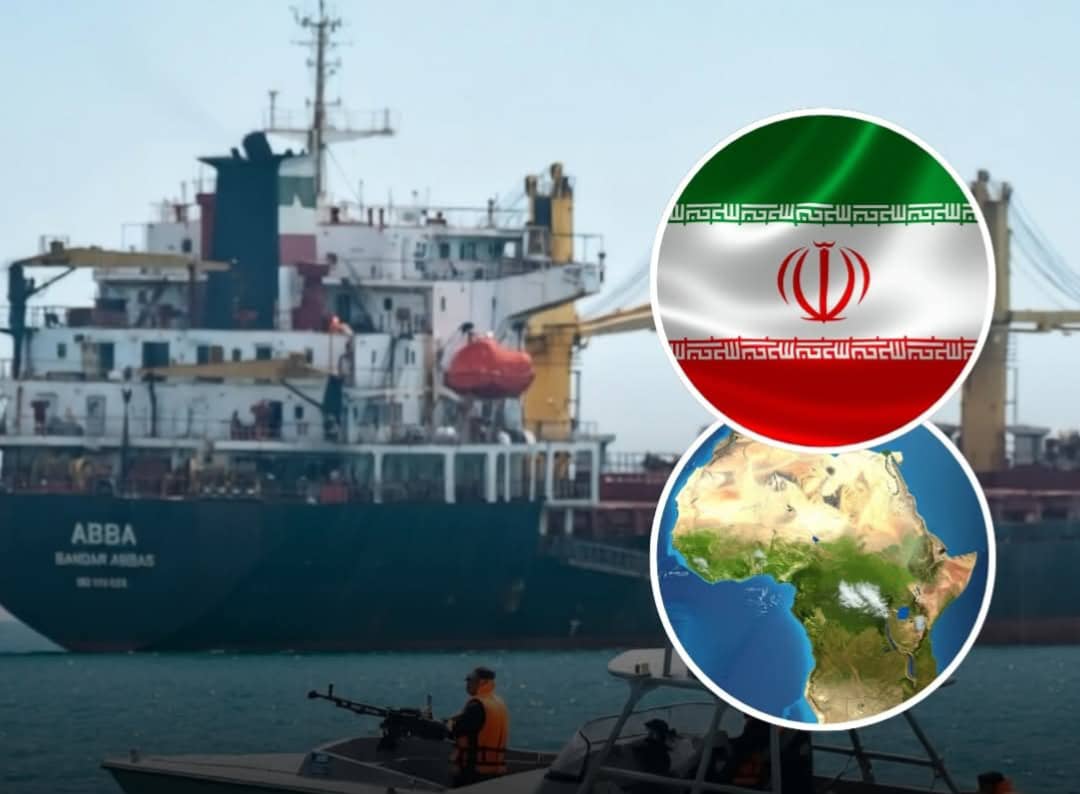
Iran Guards Block Botswana Vessels, Allow Gabon, South Africa Past Strait of Hormuz as Fragile Ceasefire Persist
Shipping activity in the strategically vital Strait of Hormuz is showing tentative signs o...
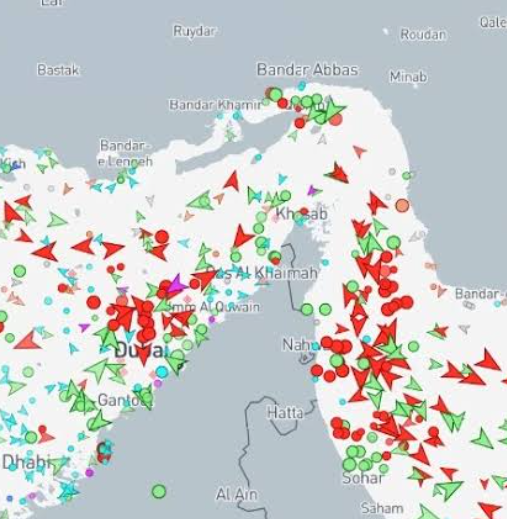
Tensions Peak as Iran Tightens Grip on Strait of Hormuz, the Global Energy Chokepoint
The Strait of Hormuz, a narrow but critically important maritime corridor linking the Pers...
The presence of global naval forces, especially from the United States, underscores its strategic sensitivity. Military patrols, surveillance operations, and occasional confrontations highlight the constant risk environment in the area.
While international law, particularly under the United Nations Convention on the Law of the Sea, guarantees the right of transit passage through such straits, interpretations and enforcement of these rights have occasionally been contested, adding another layer of complexity.
The physical characteristics of the strait contribute to its vulnerability. Its narrow width and heavy traffic make it susceptible to accidents such as ship collisions, as well as deliberate disruptions including mining, blockades, or attacks on tankers.
Even limited incidents can trigger widespread consequences, given the volume of trade that passes through daily. Although some countries have developed alternative export routes, such as pipelines that bypass the strait, these options remain limited in capacity and cannot fully replace its role.
In essence, the Strait of Hormuz functions as a critical global chokepoint where geography, economics, and geopolitics intersect. Its continued openness is vital for maintaining the steady flow of energy resources that underpin modern economies, and any instability in the region carries implications far beyond its immediate surroundings, influencing international relations, global markets, and energy security on a worldwide scale.
Related Posts
No related posts found.
Trending

Apr 11, 2026
BREAKING NEWS: Gunmen Kill Imo Monarch, Five Others, Burn Bodies in Deadly Ambush
Uchechi Okporie
Apr 12, 2026
BREAKING NEWS: He Gave Up Everything… What Followed Is Shaking Thousands Right Now
Uchechi Okporie
Apr 13, 2026
Tragedy in Northeast Nigeria as Airstrike Hits Civilian Market, Reportedly Kills 200 People - Reuters Reports
Uchechi Okporie
Apr 10, 2026
Togo Positions Port of Lomé as Alternative for Global Trade Amid Rising Tensions in Strait of Hormuz
Uchechi Okporie
Apr 10, 2026
Iran Guards Block Botswana Vessels, Allow Gabon, South Africa Past Strait of Hormuz as Fragile Ceasefire Persist
Uchechi Okporie
Apr 10, 2026
Ughelli Reps: Trouble for Waive as His Political Capital, Top Ranking GOs, Archbishops, Bishops, Pastors Disown Him, Move 2027 Support to Ominimini
Uchechi Okporie
Apr 15, 2026
So Sad!! Ghana President Weeps, Turns to Prayers for Nigeria's Future (Read President Mahama's Emotional Statement in Accra)
Uchechi Okporie
Apr 13, 2026
BREAKING: Israeli Prime Minister, Benjamin Netanyahu, Sentenced to 5000 Years in Prison, and here's why
 Admin User
Apr 13, 2026
Delta North Political Battle Officially Begins as Okowa Declares for Senate, Says I've Decided to Answer The Call
Uchechi Okporie

Apr 11, 2026
“Enough Is Enough: Pope Leo Declares War a ‘Scandal to Humanity’ in Fiery Global Peace Appeal”
Uchechi Okporie
Apr 14, 2026
Benin Breaks the Mold: 49-Year-Old Romuald Wadagni Sweeps to Power in a Generational Shift
Uchechi Okporie
Latest Stories
Apr 16, 2026
Where Is the PDP:Silent Strategy or Slow Political Death
Uchechi Okporie
Apr 16, 2026
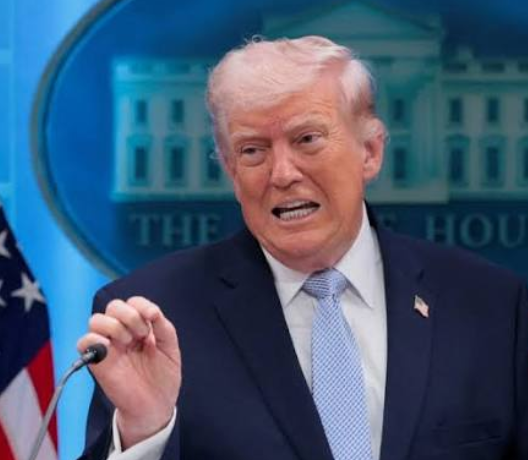
Nuclear Gamble Nears Endgame: Donald Trump Claims Iran Ready to Surrender Uranium Stockpile in High-Stakes Peace Push
Uchechi Okporie
Apr 16, 2026
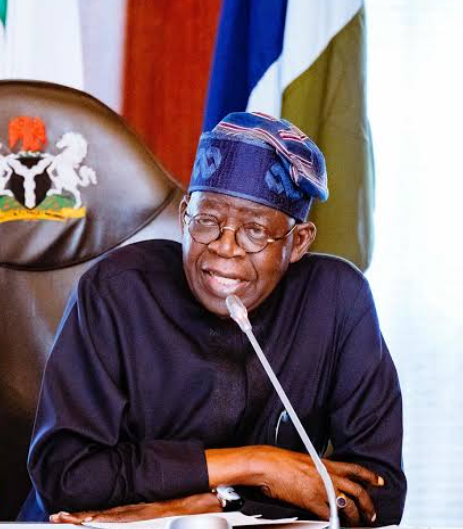
Power Struggle in Africa’s Largest Democracy: Bola Tinubu Declares ‘I Won’t Be Intimidated’ as 2027 Election Battle Takes Shape
Uchechi Okporie

Apr 16, 2026
Nigeria’s Education Under fire: Gunmen Kidnap Students in Brutal Highway Attack
Uchechi Okporie
Apr 16, 2026
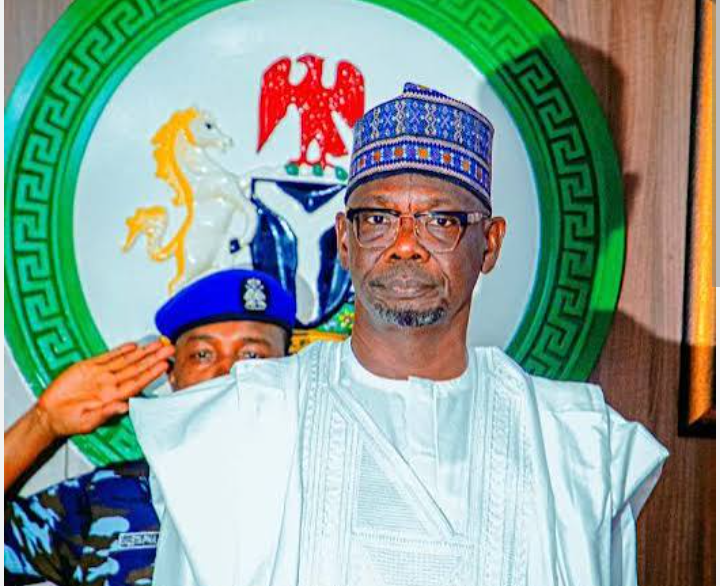
Succession Battle in Nigeria’s North Central Turns: Nasarawa Power Bloc Backs Sen. Wadada for 2027 Governorship Race
Uchechi Okporie

Apr 16, 2026
A Nation Starving and Sick: Who Is Lending Nigerians Their Death Sentence
Uchechi Okporie
Apr 16, 2026
Nigeria’s Opposition Rift Deepens as Labour Party Figure Declares Peter Obi “Politically Finished” Within Party
Uchechi Okporie

Apr 16, 2026
West Africa Signals Unity as Tinubu Congratulates Benin’s President-Elect After Overwhelming Win
Uchechi Okporie
Apr 16, 2026
Sudan Crisis Deepens, Africa Faces Growing Humanitarian Emergency
Uchechi Okporie

Apr 16, 2026
South Africa Sends Seasoned Power Broker to Washington in Strategic Diplomatic Move
Uchechi Okporie

Apr 16, 2026
“Big School, Empty Promise: Why Nigeria’s Obsession with Prestige Is Producing Unprepared Graduates”
Uchechi Okporie