European Poll Lists Trump, Putin, Israel Prime Minister Netanyahu as Greatest Threat to Global Peace (Read Details)
 Uchechi Okporie
Apr 07, 2026
3 min read
Uchechi Okporie
Apr 07, 2026
3 min read
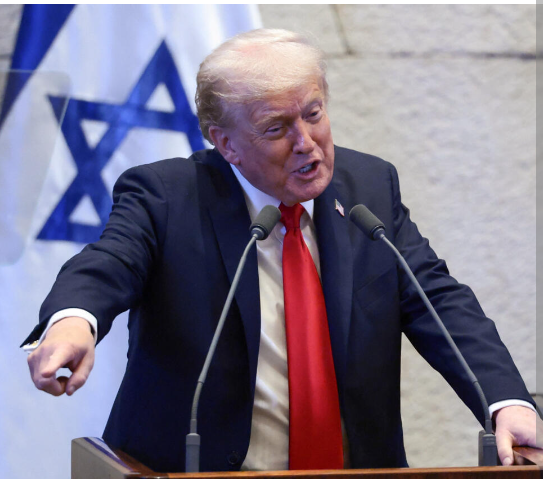
Spanish citizens overwhelmingly view US President Donald Trump as the greatest threat to world peace, according to a new poll published by El País on April 6.
In the survey, published by The Jerusalem Post, 81 % of respondents identified Trump as a danger to global stability, narrowly edging out Russian President Vladimir Putin, whom 79.3 % saw as a threat, and Israeli Prime Minister Benjamin Netanyahu, at 71.2 %.
Other global figures such as Iran’s Supreme Leader Mojtaba Khamenei and North Korean leader Kim Jong Un registered lower but still substantial threat perceptions, with 62.9 % and 62 % respectively, while Chinese President Xi Jinping was viewed as a threat by just under half of those surveyed.
The findings highlight deep pessimism among Spaniards about the direction of global affairs, with nearly 70 % saying they are pessimistic about the future, and fewer than 10 % believing the world will become more stable and prosperous.
Around half of participants also expressed fears that the future will be marked by increased violence, authoritarianism and inequality, and roughly half considered both the possibility of a global war and democratic backsliding in the United States and the European Union to be real possibilities.
Political divides within Spain sharply influence how respondents assess threats. Those aligned with right‑wing and far‑right parties such as El Partido Popular and Vox were more likely to place Putin at the top of their threat list, in contrast with the public view that places Trump first.
On defence spending, the poll found Spaniards almost evenly split on increasing military expenditures, with support more concentrated among right‑leaning voters, while nearly two‑thirds backed continued membership in NATO. Despite this, there was broad support for diplomatic cooperation, including maintaining aid to Ukraine and pursuing negotiated solutions in international conflicts.
On specific geopolitical questions, a strong majority, 75 %, of those surveyed agreed that the international community should put greater pressure on the United States and other powers to end the Israeli‑Palestinian conflict, reflecting widespread concern over ongoing violence.
Conversely, only 32 % agreed with the statement that “the United States and Israel should continue attacks until the Islamic regime in Iran falls,” suggesting significant opposition to escalatory military goals.
Related Posts
Nuclear Gamble Nears Endgame: Donald Trump Claims Iran Ready to Surrender Uranium Stockpile in High-Stakes Peace Push
In a dramatic turn in Middle East diplomacy, Donald Trump has announced that Iran has agre...
South Africa Sends Seasoned Power Broker to Washington in Strategic Diplomatic Move
In a calculated step to strengthen its global influence, South Africa has appointed a high...
“Africa’s Giant Makes a Bold Claim: Nigeria Set to Outpace US and UK in Surprise Economic Surge”
Nigeria’s presidency has declared that the country’s economy is on track to grow faster th...
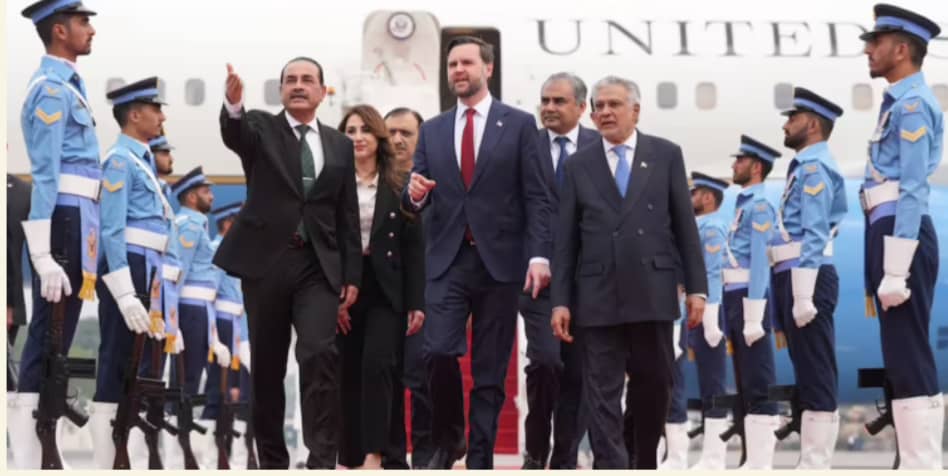
21 Hours, No Breakthrough: Why U.S–Iran Talks Collapsed, and What It Means for the World
After nearly a full day of intense diplomacy, the high-stakes negotiations between the Uni...
Spain’s public opinion and political landscape have also been shaped by Madrid’s government stance on the war between the United States, Israel and Iran.
Prime Minister Pedro Sánchez’s firm anti‑war position has resonated with voters; recent polling indicates that his Socialist Party has gained support while the far‑right Vox, which supports the offensive, has seen its backing decline.
A CIS poll showed that 85 % of Spaniards rejected the war, and Sánchez’s decision to close Spanish airspace to US aircraft involved in attacks and to ban the use of Spanish military bases by those forces has defined the government’s foreign policy posture amid transatlantic tensions.
The poll also probed perceptions of future regional and global instability.
70 % of respondents thought it likely that a massive expulsion of Palestinians to neighbouring countries could occur within the next year, and 80 % agreed that the war with Iran could trigger a global economic crisis over the same period.
These concerns align with broader European scepticism toward US and Israeli military actions: other recent opinion surveys across the continent have shown large segments of the public opposing the strikes on Iran and urging diplomatic solutions.
Amid growing unease, analysts note that the strategic calculus in the Middle East is shifting.
Regional governments are reportedly preparing for unpredictable risks rather than large‑scale occupations, and experts emphasize that the greatest danger may come if American ground forces enter Iranian territory, a move that could fundamentally change the rules of engagement, provoke widespread retaliation, deepen energy market shocks and make the conflict far more difficult to contain.
Related Posts
Uchechi Okporie
Apr 10, 2026
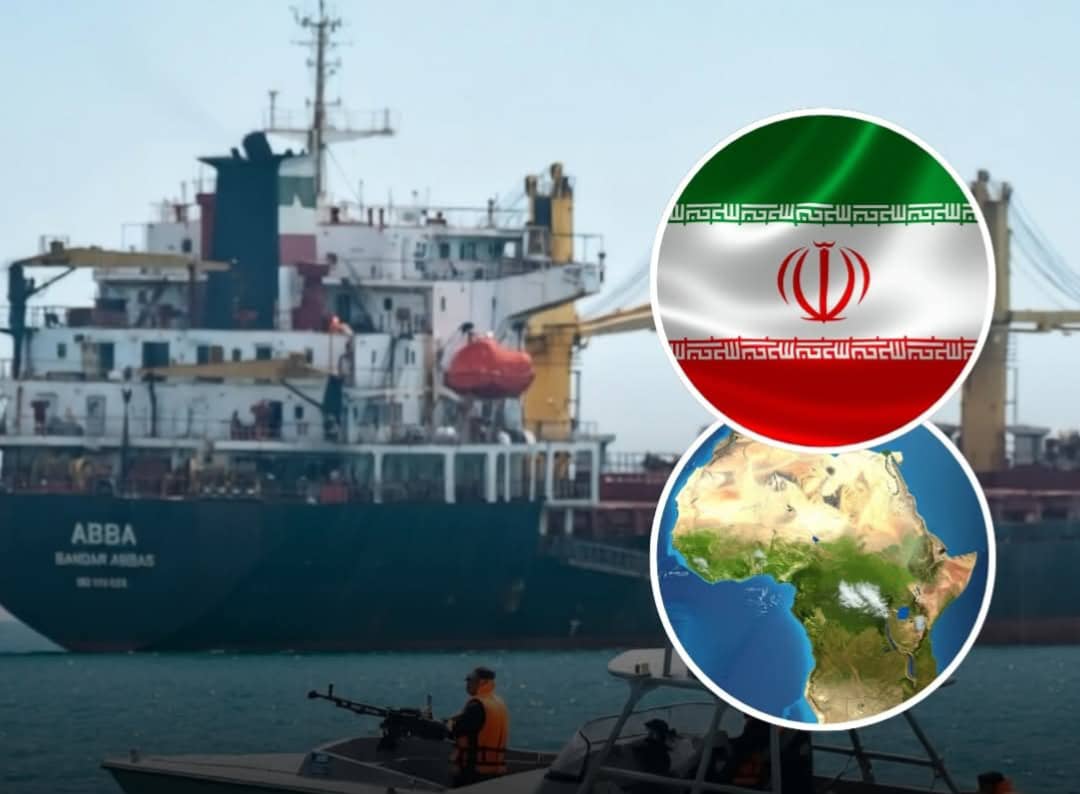
Iran Guards Block Botswana Vessels, Allow Gabon, South Africa Past Strait of Hormuz as Fragile Ceasefire Persist
Shipping activity in the strategically vital Strait of Hormuz is showing tentative signs of recovery following a fragile ceasefire between the United States and Iran, with African-linked vessels among the first to cautiously resume transit.
Uchechi Okporie
Apr 10, 2026
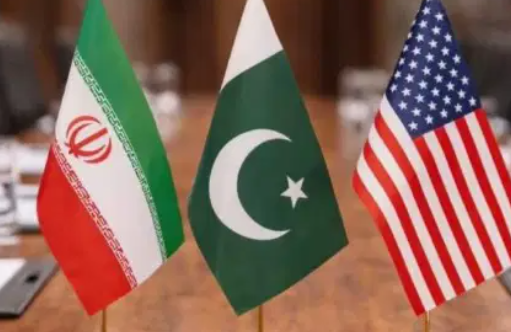
Pakistan to Host U.S.-Iran Talks as Fighting Continues in Lebanon
Pakistan is preparing to host negotiations between the United States and Iran this week, even as heavy fighting continues in Lebanon between Israel and Hezbollah.
Uchechi Okporie
Apr 08, 2026
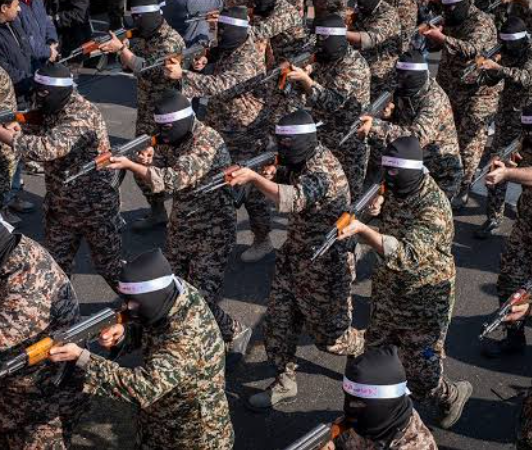
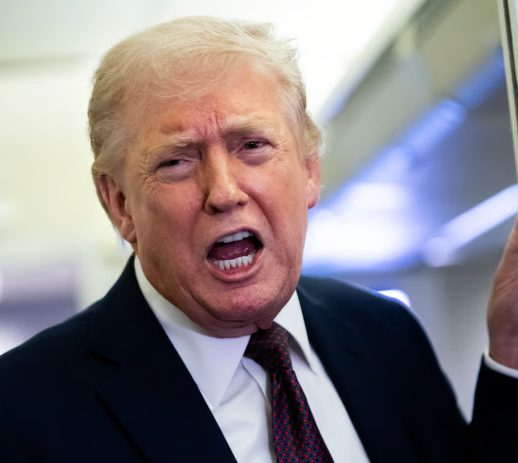
Iran Rules Out Temporary Ceasefire, Sets Stringent Terms for Lasting Peace with U.S
Iran has ruled out any form of temporary ceasefire with the United States, instead outlining a set of stringent conditions for entering negotiations toward what it describes as a “lasting peace,” according to a report by Reuters citing a senior Iranian official.
Uchechi Okporie
Apr 06, 2026
Trump Threatens Jail Term for Persons Who Released Information on Missing U.S. Pilot in Iran
President Donald Trump of the United States has warned that individuals responsible for leaking sensitive information revealing a missing American pilot in Iran could face imprisonment if they fail to disclose their source.

Uchechi Okporie
Apr 05, 2026
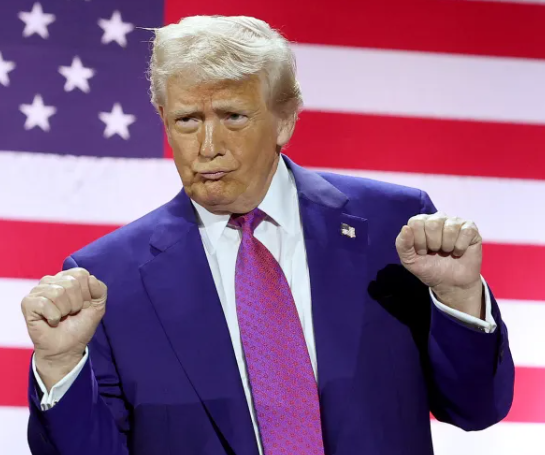
Ghana Political Figures and Supporters Appeal to President Mahama to Free High-Profile Social Media Figure Amid Extradition Case
Supporters of Ghanaian social media personality Frederick Kumi, popularly known as Abu Trica, have intensified public calls for President John Dramani Mahama to intervene and secure his release from custody as he faces extradition proceedings to the United States.
Uchechi Okporie
Apr 03, 2026
Trump Warns U.S. Forces Have “Not Even Started” Major Strikes in Iran, Signals Possible Escalation of Conflict
U.S. President Donald Trump said late Thursday that American forces have yet to begin fully destroying what remains of Iran’s infrastructure, suggesting that future military actions could target bridges, power plants and other critical systems.
Uchechi Okporie
Apr 02, 2026
Mozambique Becomes Latest Nation to Eliminate IMF Debt, Reducing Exposure to Global Lender
Mozambique is not alone in moving to reduce or eliminate its obligations to the IMF. In May 2025, Nigeria repaid a US $3.4 billion emergency loan it had accessed under the IMF’s Rapid Financing Instrument to help cushion its economy against the effects of the COVID-19 pandemic.
Uchechi Okporie
Mar 13, 2026
Trump Declares Indefinite War on Iran’s Regime, Says We're Totally Destroying Them
In a statement that is already sending shockwaves through diplomatic and military circles, Donald Trump claimed the United States is “totally destroying” Iran’s ruling regime, and described the campaign as his “great honour.”
Trending
Apr 11, 2026
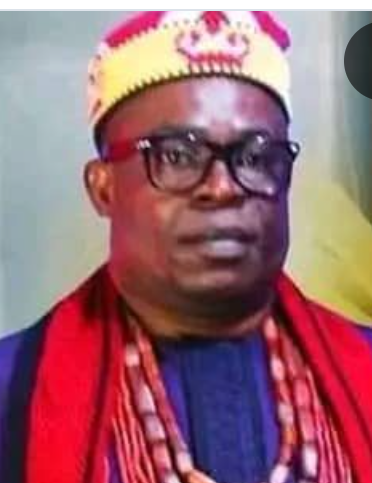
BREAKING NEWS: Gunmen Kill Imo Monarch, Five Others, Burn Bodies in Deadly Ambush
Uchechi Okporie
Apr 12, 2026
BREAKING NEWS: He Gave Up Everything… What Followed Is Shaking Thousands Right Now
Uchechi Okporie
Apr 13, 2026
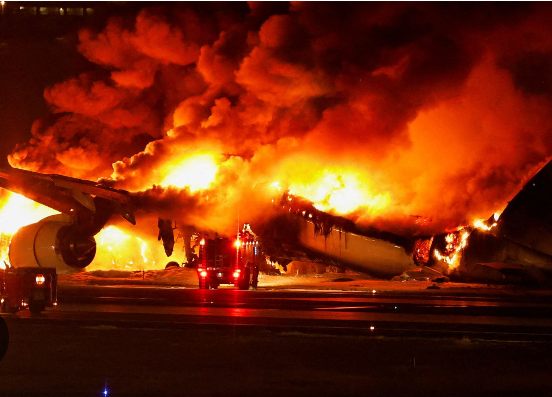
Tragedy in Northeast Nigeria as Airstrike Hits Civilian Market, Reportedly Kills 200 People - Reuters Reports
Uchechi Okporie
Apr 10, 2026
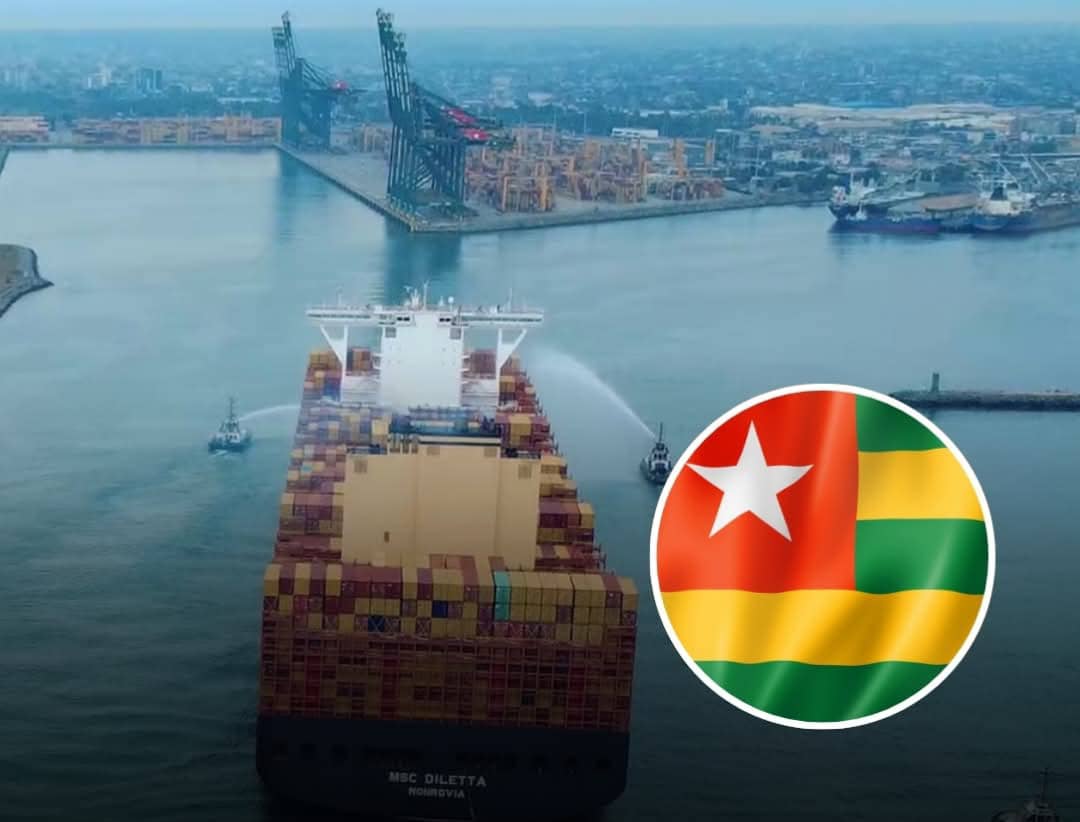
Togo Positions Port of Lomé as Alternative for Global Trade Amid Rising Tensions in Strait of Hormuz
Uchechi Okporie
Apr 10, 2026
Iran Guards Block Botswana Vessels, Allow Gabon, South Africa Past Strait of Hormuz as Fragile Ceasefire Persist
Uchechi Okporie
Apr 10, 2026
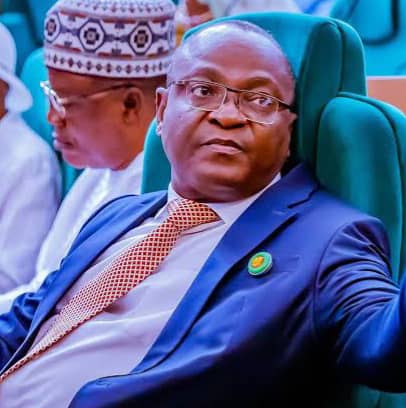
Ughelli Reps: Trouble for Waive as His Political Capital, Top Ranking GOs, Archbishops, Bishops, Pastors Disown Him, Move 2027 Support to Ominimini
Uchechi Okporie
Apr 15, 2026
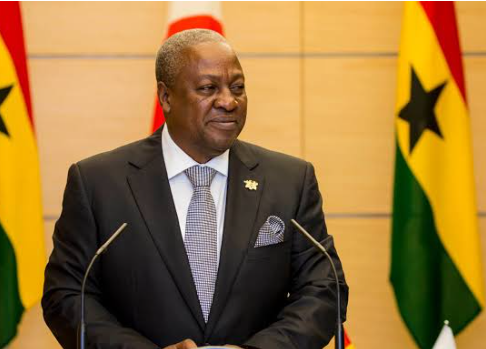
So Sad!! Ghana President Weeps, Turns to Prayers for Nigeria's Future (Read President Mahama's Emotional Statement in Accra)
Uchechi Okporie
Apr 13, 2026
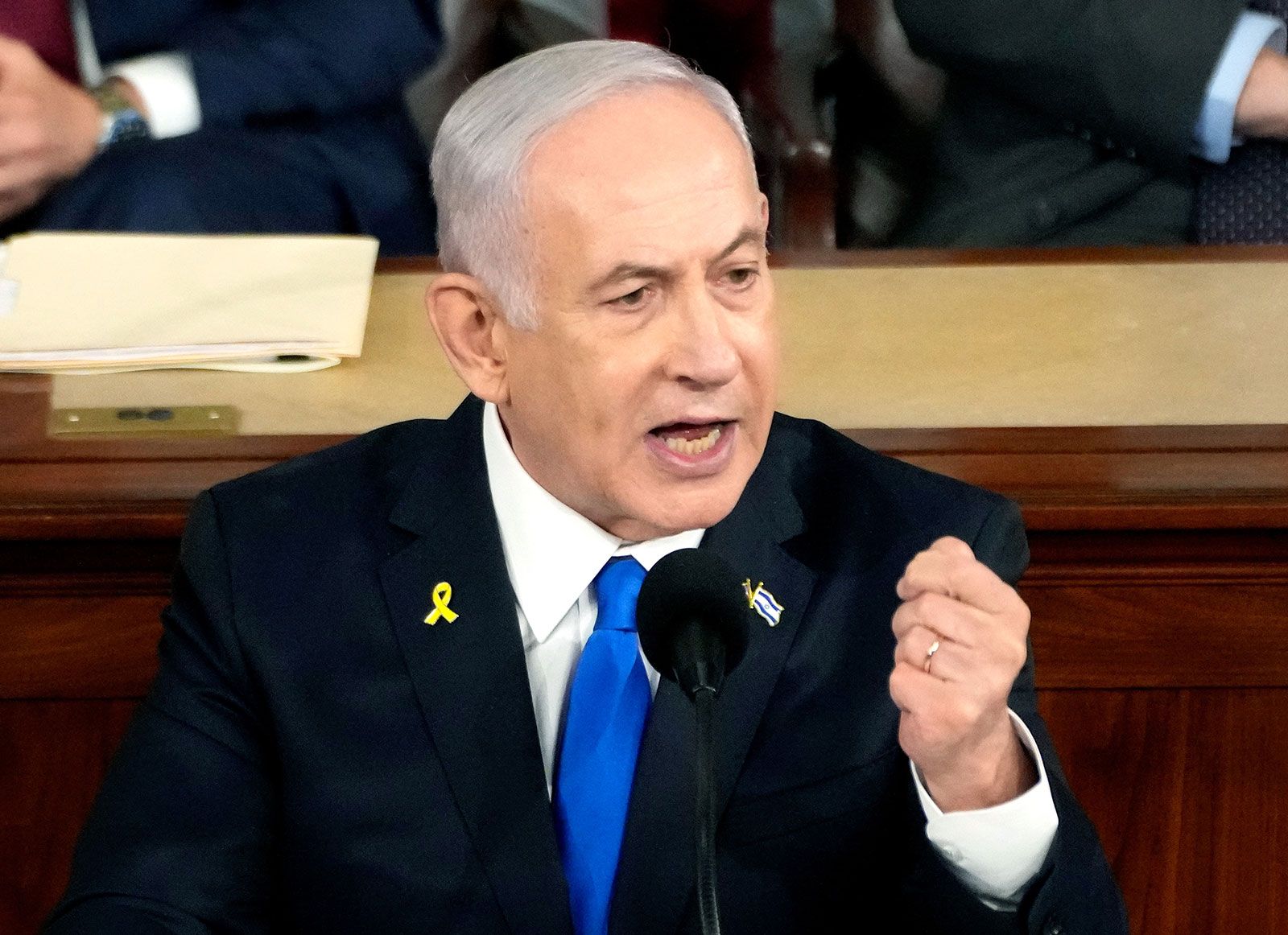
BREAKING: Israeli Prime Minister, Benjamin Netanyahu, Sentenced to 5000 Years in Prison, and here's why
 Admin User
Apr 13, 2026
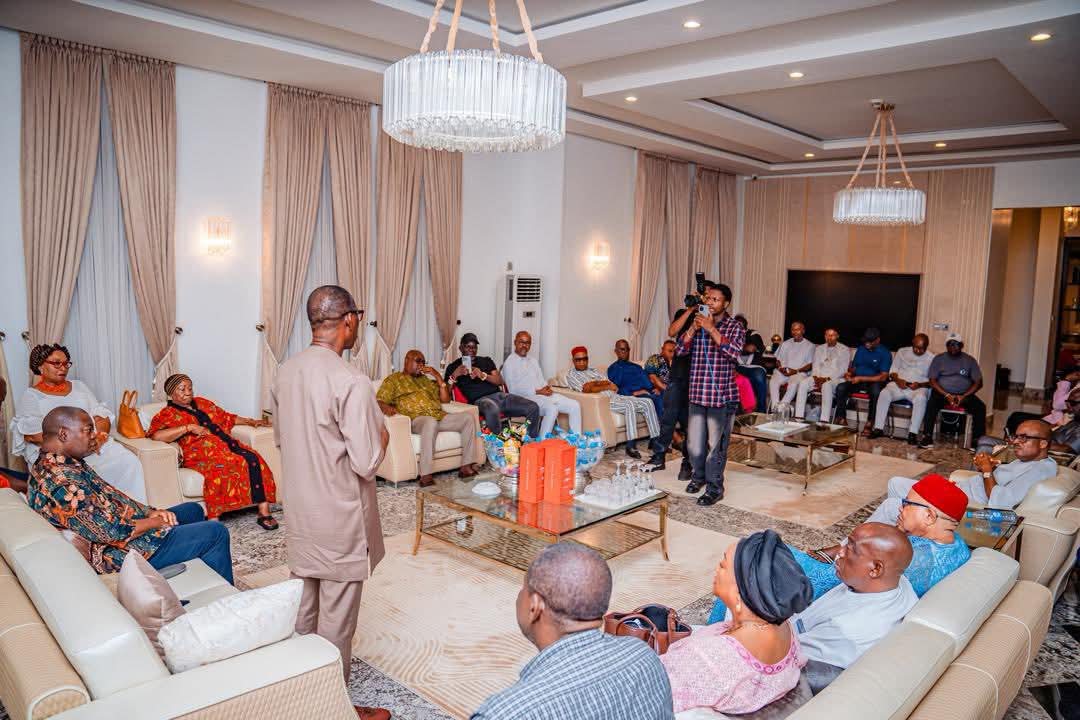
Delta North Political Battle Officially Begins as Okowa Declares for Senate, Says I've Decided to Answer The Call
Uchechi Okporie
Apr 11, 2026
“Enough Is Enough: Pope Leo Declares War a ‘Scandal to Humanity’ in Fiery Global Peace Appeal”
Uchechi Okporie
Apr 14, 2026
Benin Breaks the Mold: 49-Year-Old Romuald Wadagni Sweeps to Power in a Generational Shift
Uchechi Okporie
Latest Stories
Apr 16, 2026
Where Is the PDP:Silent Strategy or Slow Political Death
Uchechi Okporie
Apr 16, 2026
Nuclear Gamble Nears Endgame: Donald Trump Claims Iran Ready to Surrender Uranium Stockpile in High-Stakes Peace Push
Uchechi Okporie
Apr 16, 2026
Power Struggle in Africa’s Largest Democracy: Bola Tinubu Declares ‘I Won’t Be Intimidated’ as 2027 Election Battle Takes Shape
Uchechi Okporie
Apr 16, 2026
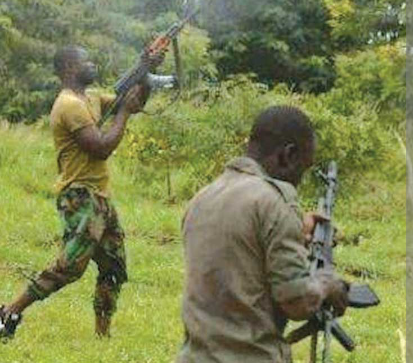
Nigeria’s Education Under fire: Gunmen Kidnap Students in Brutal Highway Attack
Uchechi Okporie
Apr 16, 2026
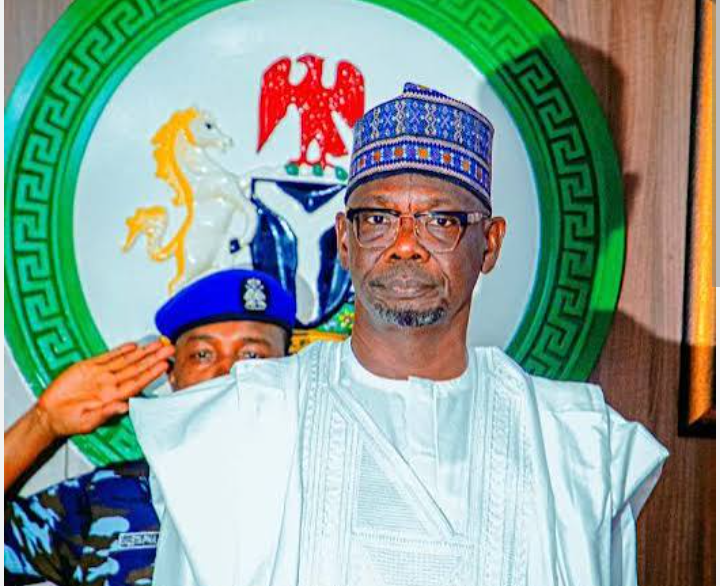
Succession Battle in Nigeria’s North Central Turns: Nasarawa Power Bloc Backs Sen. Wadada for 2027 Governorship Race
Uchechi Okporie

Apr 16, 2026
A Nation Starving and Sick: Who Is Lending Nigerians Their Death Sentence
Uchechi Okporie
Apr 16, 2026
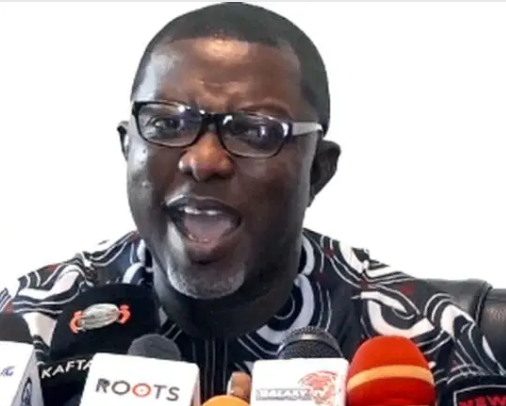
Nigeria’s Opposition Rift Deepens as Labour Party Figure Declares Peter Obi “Politically Finished” Within Party
Uchechi Okporie
Apr 16, 2026
West Africa Signals Unity as Tinubu Congratulates Benin’s President-Elect After Overwhelming Win
Uchechi Okporie
Apr 16, 2026
Sudan Crisis Deepens, Africa Faces Growing Humanitarian Emergency
Uchechi Okporie
Apr 16, 2026
South Africa Sends Seasoned Power Broker to Washington in Strategic Diplomatic Move
Uchechi Okporie
Apr 16, 2026
“Big School, Empty Promise: Why Nigeria’s Obsession with Prestige Is Producing Unprepared Graduates”
Uchechi Okporie