David Umahi: The Quiet Architect of Nigeria’s Infrastructure Renaissance, By Next Africa Daily
 Uchechi Okporie
Apr 25, 2026
3 min read
Uchechi Okporie
Apr 25, 2026
3 min read
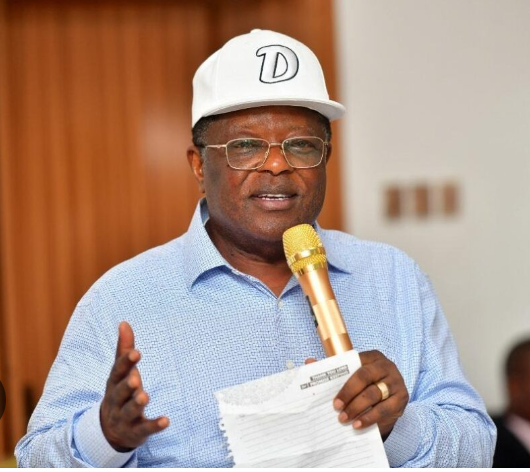
In a political climate often dominated by rhetoric and short-term optics, true performance reveals itself through tangible results, projects people can see, use, and measure in their daily lives.
Within the administration of President Bola Ahmed Tinubu, David Umahi has steadily built a reputation not through noise, but through consistent delivery. His tenure as Minister of Works stands out as a model of execution-driven governance, where results take precedence over promises.
Umahi’s effectiveness is deeply rooted in his technical background. As a trained civil engineer and former governor, he approaches infrastructure not as a political talking point but as a system that demands precision, planning, and accountability. This perspective shapes how he engages national projects, focusing on feasibility, timelines, and sustainability rather than symbolic commissioning. His work reflects a clear understanding that infrastructure is not merely about construction, but about long-term national value.
Nigeria’s road network, historically plagued by neglect and abandoned contracts, has seen renewed attention under his leadership. Umahi has aggressively revived stalled federal road projects across key economic corridors, while imposing stricter oversight on contractors. By renegotiating inefficient contracts and insisting on higher standards, he has reduced delays and improved execution quality.
One of his most notable policy shifts is the push toward concrete road technology in place of traditional asphalt. Though this approach has sparked debate, it underscores a long-term strategy focused on durability and reduced maintenance costs, signaling a move away from the cycle of constant road repairs.
Beyond construction, Umahi has demonstrated strong financial discipline in project management. He has promoted more structured and realistic financing models, aligning projects with available resources to avoid the chronic issue of abandonment. By exploring partnerships and phased funding approaches, he has reduced dependence on inconsistent government releases, ensuring that projects progress steadily rather than stalling midway. This approach addresses one of the most critical weaknesses in Nigeria’s infrastructure system, execution gaps caused by poor financial planning.
Related Posts
BREAKING: Omo-Agege Makes Bold Declaration for Delta Central Senate
The political atmosphere in Delta State has been set ablaze following the dramatic declara...
Succession Battle in Nigeria’s North Central Turns: Nasarawa Power Bloc Backs Sen. Wadada for 2027 Governorship Race
A major political alignment is unfolding in Nasarawa State as key political stakeholders s...
BREAKING: Powerful Political Giants Quietly Plot Major 2027 Showdown Behind the Scenes
Early political maneuvering has kicked off in Sokoto ahead of the 2027 governorship electi...
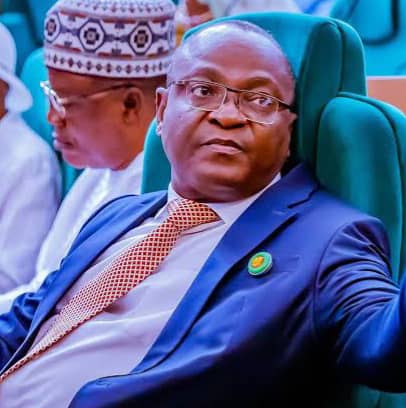
Ughelli Reps: Trouble for Waive as His Political Capital, Top Ranking GOs, Archbishops, Bishops, Pastors Disown Him, Move 2027 Support to Ominimini
A dramatic political earthquake has struck Ughelli/Udu Federal Constituency as a powerful...
What further distinguishes Umahi is his hands-on leadership style. He is frequently on project sites, inspecting progress, engaging contractors directly, and communicating updates to the public. This level of involvement creates a culture of accountability that is often missing in public administration. When oversight is visible and immediate, performance improves. His presence sends a clear message that deadlines and standards are not optional.
The impact of his work extends beyond road construction. Functional infrastructure is central to economic activity, affecting trade, transportation costs, and supply chains across the country. By focusing on major highways and strategic routes, Umahi is strengthening Nigeria’s economic framework, enabling smoother movement of goods and services and contributing to overall economic stability. His work demonstrates that infrastructure development, when executed properly, is a powerful tool for national growth.
Umahi’s leadership is defined by a clear emphasis on results. Rather than relying on political grandstanding, he prioritizes measurable outcomes, clear timelines, and visible progress. In an environment where public expectations are often shaped by unfulfilled promises, this approach stands out. His performance can be assessed not through projections, but through ongoing and completed projects that directly impact citizens.
While assessments of the “best performing minister” may vary depending on perspective, David Umahi has built a strong case through consistent, verifiable output. Within the framework of Bola Ahmed Tinubu’s administration, his work reflects what is possible when technical expertise is combined with disciplined execution. Ultimately, performance in public office is defined by what endures, and in the roads that connect cities, drive commerce, and support national development, Umahi is laying a legacy that is both visible and lasting.
This article was written by Next Africa Daily You can reach us thru Phone: WhatsApp only: 07070661780 Email: nextafricadaily@gmail.com
Related Posts
Uchechi Okporie
Apr 10, 2026
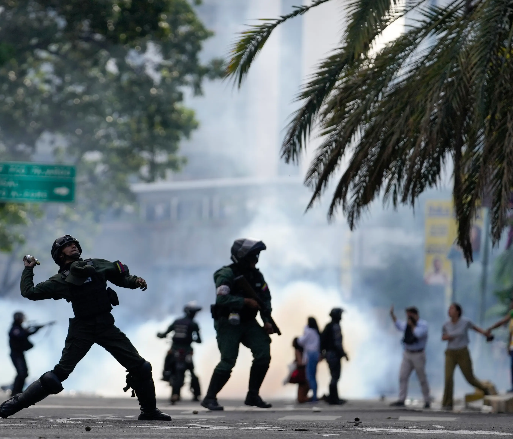
Togo on Edge as Violent Crackdown Deepens Political Rift and Sparks Fears of National Crisis
A growing political crisis is gripping Togo after a forceful crackdown by security forces on nationwide protests has left families grieving and raised alarm among rights groups and international observers.
Uchechi Okporie
Apr 08, 2026
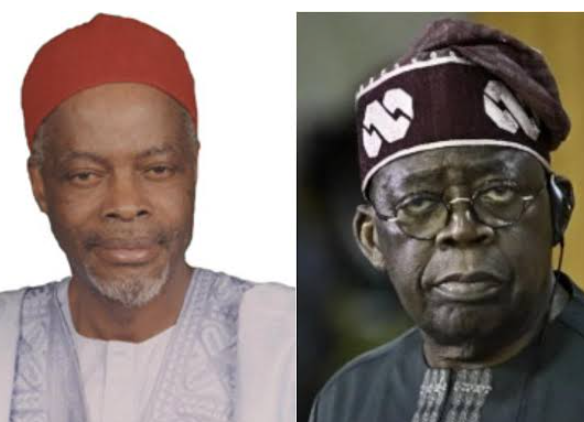
Nigerian Statesman Chuba Okadigbo’s 1992 Remark on Bola Tinubu Foretold Current Presidency, Says Lagos Official
A senior political figure in Nigeria has recounted a decades-old remark by late Nigerian Senate President Chuba Okadigbo that many now interpret as foreshadowing the eventual rise of President Bola Tinubu to the nation’s highest office.
Uchechi Okporie
Apr 08, 2026
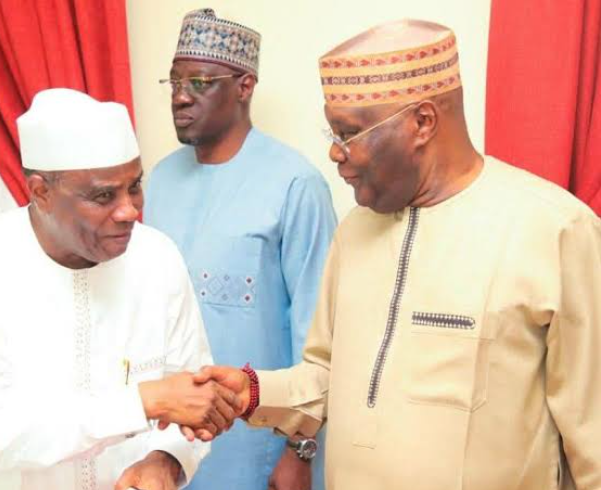
Major Nigerian Opposition Figures Meet in Strategic Closed-Door Talks in Abuja Ahead of 2027 Elections
Top opposition leaders from Nigeria’s major political parties converged for high-level closed-door discussions at the Abuja residence of former Senate President Senator David Mark, in what political observers are calling a major strategic meeting ahead of the 2027 general elections
Trending
Apr 22, 2026
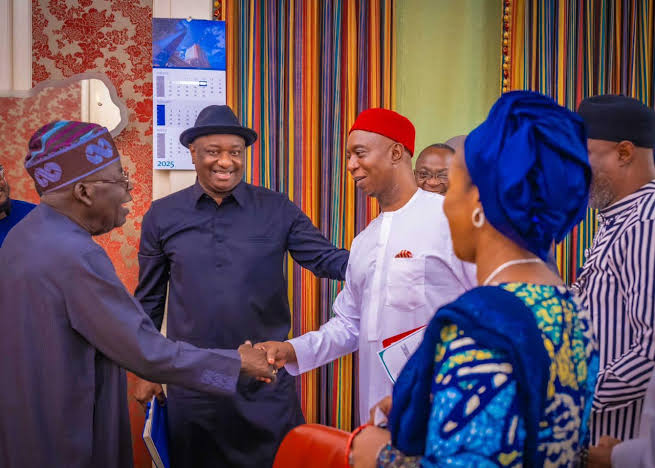
Deal Sealed, Okowa Reportedly Snubbed: Nwoko, Omo-Agege, Joel-Onowakpo Positioned to Grab Delta APC Senatorial Tickets
 Admin User
Apr 22, 2026
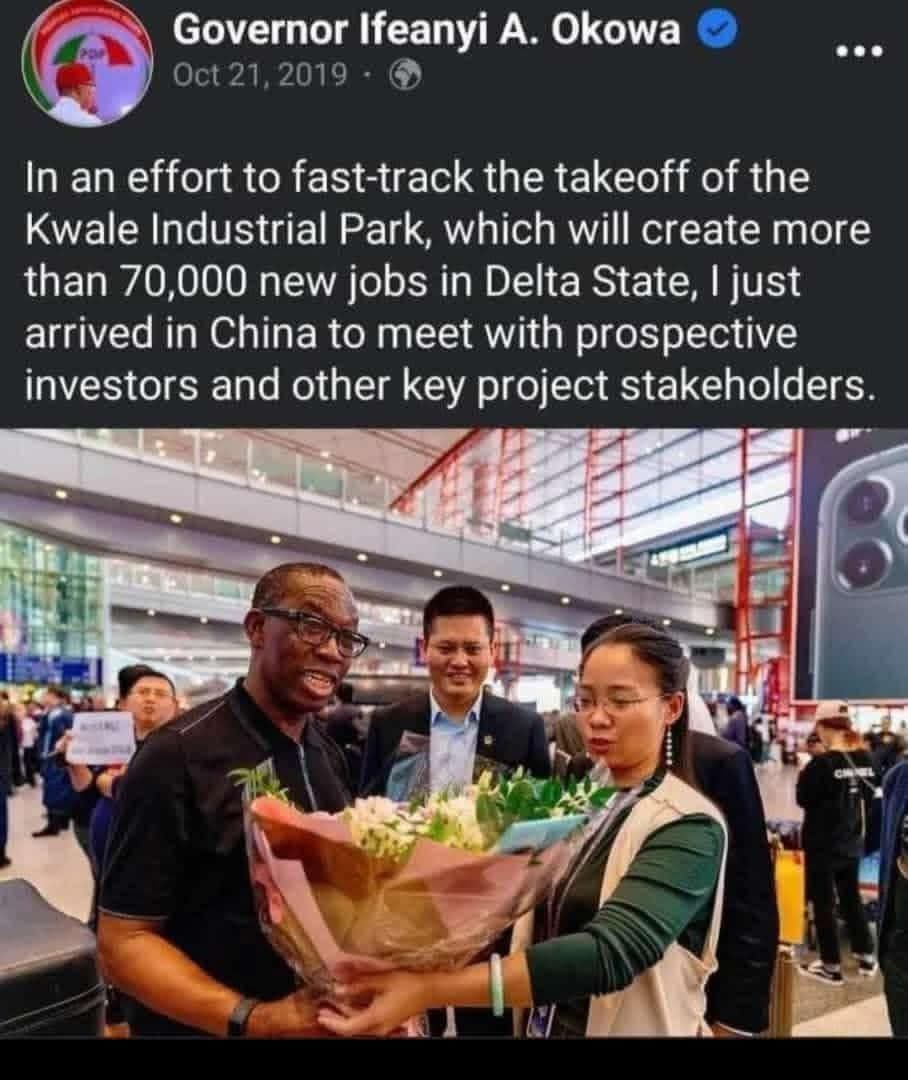
After Executive Approval, China Show, $15m Seed Fund: Where's Okowa's Kwale Industrial Park?
Admin User
Apr 19, 2026
Breaking News: Nigeria Opposition Erupts as Government Moves to Reintegrate 800 Former Terrorists into Communities
Uchechi Okporie
Apr 21, 2026
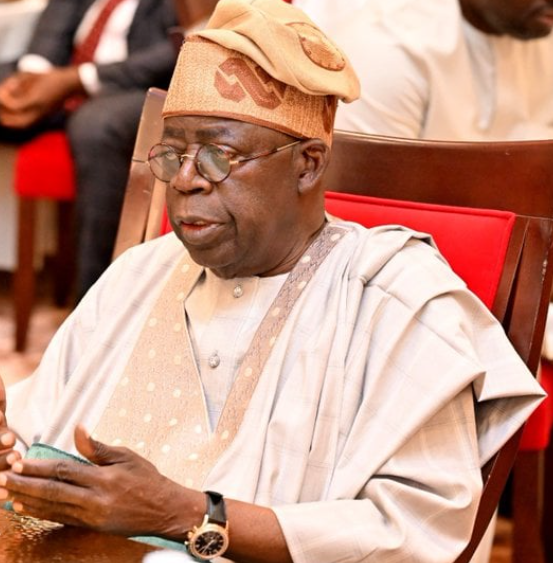
President Tinubu Takes Shocking Decision Against Two Powerful Nigerians, and Here's What Happened
Uchechi Okporie
Apr 18, 2026
Iran Threatens US at Sea as Supreme Leader Declares Navy Ready to Crush America
Uchechi Okporie
Apr 21, 2026
I Did My Best for Nigeria, Mistakes Don’t Erase My Service: Jonathan Fires Back at Atiku, Sparks National Political Firestorm
Uchechi Okporie
Apr 23, 2026
BREAKING: Political Earthquake in Nigeria ,Tinubu Unleashes ₦17 Billion “Grassroots Power Fund” Across 8,804 Wards
Uchechi Okporie
Apr 22, 2026
BREAKING: Abia Governor Appoints Wife of His Major Political Opponent to Chair Board of Critical Institution
Uchechi Okporie
Apr 20, 2026
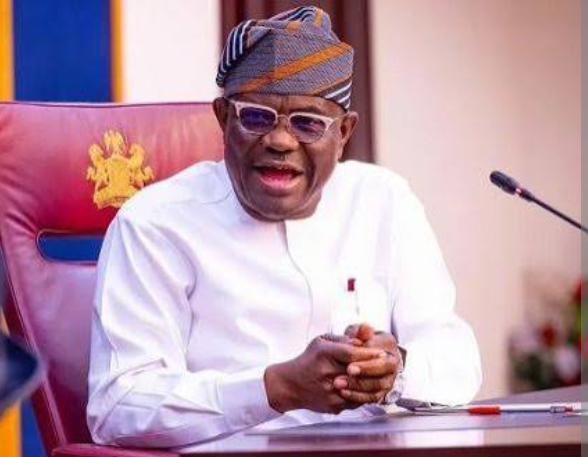
Breaking News: Nigeria Opposition Party Crisis Explodes as Wike-Loyal PDP Faction Holds Emergency NEC Meeting in Abuja
Uchechi Okporie
Apr 22, 2026
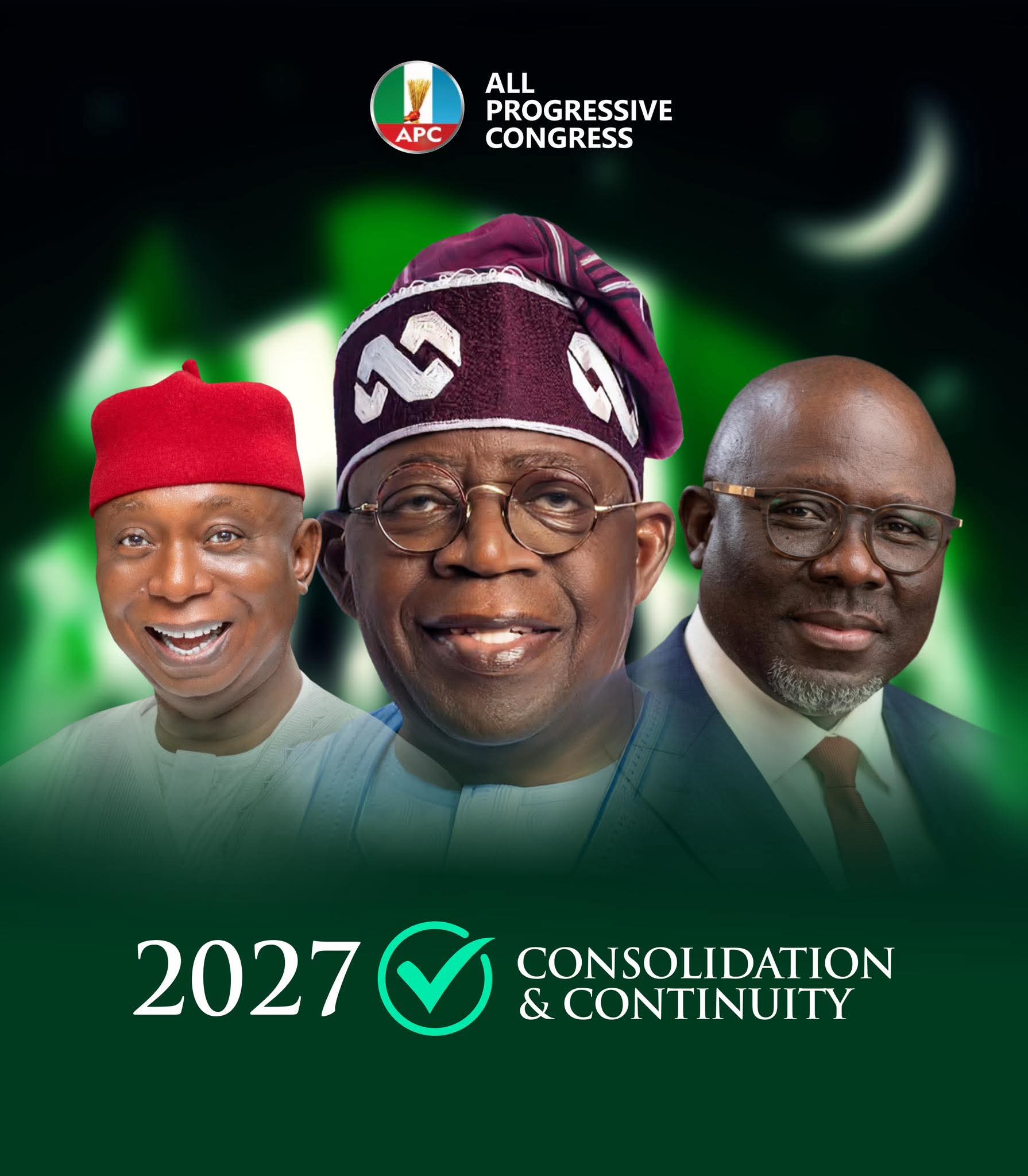
BREAKING: Omo-Agege Makes Bold Declaration for Delta Central Senate
Uchechi Okporie
Apr 22, 2026
DeltaNorth2027: I'll Return to The Senate, Senator Ned Nwoko Declares
Admin User
Latest Stories
Apr 25, 2026
$28Trillion vs $3Trillion: The Stark Economic Gap Between the U.S. and Africa
Uchechi Okporie
Apr 25, 2026
David Umahi: The Quiet Architect of Nigeria’s Infrastructure Renaissance, By Next Africa Daily
Uchechi Okporie
Apr 25, 2026
Big Population, Small Output: The Africa’s Economic Development Paradox
Uchechi Okporie
Apr 24, 2026
Nigerian States Back Agricultural Insurance Drive as ₦396 Million Reaches Small Farmers in Food Security Push
Uchechi Okporie
Apr 24, 2026
BREAKING: 2027 Election Threat Rocks Nigeria as Kanu Detention Sparks Explosive Warning to Tinubu
Uchechi Okporie

Apr 24, 2026
Global Outrage as Woman Reportedly Targeted for Protesting Traffic Chaos During BJP Rally in Mumbai
Uchechi Okporie
Apr 24, 2026
Nigerian Student Triumphs Over 20 Countries to Win Africa Spelling Bee, Walks Away with $5000
Uchechi Okporie
Apr 24, 2026
Delta North: Okowa's Endorsement, N20m Donation Leave Senator Nwoko, APC Ward Leadership Embarrassed (Details Here)
Uchechi Okporie
Apr 24, 2026
You Need a Translator to Understand Nigeria's English — Kenya President's Remarks Trigger Mixed Reactions Across Africa
Uchechi Okporie

Apr 24, 2026
India’s Leader Captures River of Faith: Modi’s Hooghly Boat Ride Sparks Global Conversation on Culture, Nature & Spiritual Heritage
Uchechi Okporie
Apr 24, 2026
Two African Presidents Exchange Verbal Blows, Make Very Disturbing Comments Against Each Other
Uchechi Okporie