Iran-Israel War: The Intelligence Russia Shared With Iran That Could Cripple Israel in Days Without Missiles
 Uchechi Okporie
Apr 07, 2026
3 min read
Uchechi Okporie
Apr 07, 2026
3 min read
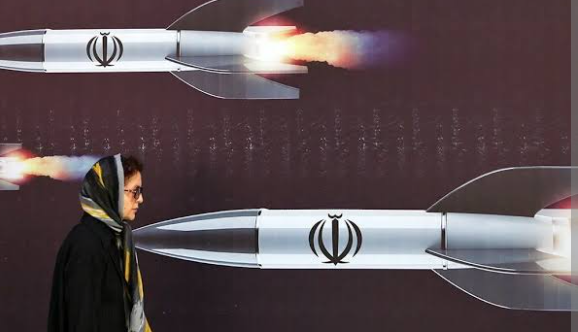
A quiet but consequential shift may be unfolding behind the scenes of the Middle East’s already fragile security landscape, one that extends far beyond missiles and military hardware into the realm of strategic vulnerability itself.
According to information obtained by The Jerusalem Post from a source linked to Ukrainian intelligence, Russia has allegedly provided Iran with a detailed list of 55 critical energy infrastructure targets across Israel.
This is not just another intelligence leak; it points to a calculated focus on infrastructure warfare, targeting the systems that keep a nation functioning rather than its conventional military assets.
The reported list is structured with notable precision. It identifies top-tier facilities whose destruction could cripple Israel’s entire energy grid, including the Orot Rabin Power Station, one of the country’s largest electricity producers.
It also outlines major urban and industrial hubs that sustain densely populated regions, as well as localized infrastructure such as substations and smaller plants that stabilize regional supply.
The layered classification suggests a strategy designed to trigger cascading failure, where disabling a few critical nodes could unravel the entire system.
What heightens the concern is Israel’s structural vulnerability. Unlike many countries that are connected to regional power networks, Israel operates largely in isolation, an “energy island.”
According to the reported Russian assessment, this independence leaves little room for external support in the event of disruption.
Strikes on a limited number of central components could lead to widespread blackouts, prolonged outages, and technical failures that are difficult to quickly contain.
Related Posts
Nuclear Gamble Nears Endgame: Donald Trump Claims Iran Ready to Surrender Uranium Stockpile in High-Stakes Peace Push
In a dramatic turn in Middle East diplomacy, Donald Trump has announced that Iran has agre...

Top Nigerian General Killed in Terrorist Strike — Funeral Exposes Worsening War in Borno
Nigeria has been thrown into mourning after a deadly terrorist ambush claimed the life of...
Iran Guards Block Botswana Vessels, Allow Gabon, South Africa Past Strait of Hormuz as Fragile Ceasefire Persist
Shipping activity in the strategically vital Strait of Hormuz is showing tentative signs o...
Pakistan to Host U.S.-Iran Talks as Fighting Continues in Lebanon
Pakistan is preparing to host negotiations between the United States and Iran this week, e...
For Volodymyr Zelensky, the Ukrainian president, the situation reflects a dangerous trend. He has warned that the tactical knowledge Russia has developed during the war in Ukraine is now being exported beyond the battlefield.
He describes a growing exchange between Moscow and Tehran: Iran initially supplied Russia with drone technology, and Russia is now believed to be reciprocating with advanced intelligence and production support.
Zelensky has even pointed to evidence of Russian components found in drones intercepted in the Middle East, suggesting a deepening technological collaboration.
Ukrainian officials argue that the motive behind this alleged intelligence transfer is strategic.
By strengthening Iran’s capabilities, Russia not only reinforces a key regional ally but may also be attempting to ignite a parallel crisis, one that could divert international focus and resources away from Ukraine.
Such a move would reflect a geopolitical tactic of expanding pressure points to dilute attention on a primary conflict.
Moscow has firmly denied the allegations. Anatoly Viktorov stated that Russia maintains longstanding security contacts with Israel and rejected claims that it is providing intelligence to Iran, dismissing them as unfounded accusations.
Regardless of where the truth ultimately lies, the implications are significant. Modern conflict is increasingly defined not just by direct confrontation but by the targeting of critical systems that sustain national life.
Energy infrastructure, once considered a civilian backbone, is now emerging as a strategic frontline. If the reported intelligence sharing is accurate, it signals a shift toward a more covert but potentially more disruptive form of warfare, one capable of destabilizing an entire country without a single troop crossing its borders.
Related Posts

Admin User
Apr 10, 2026
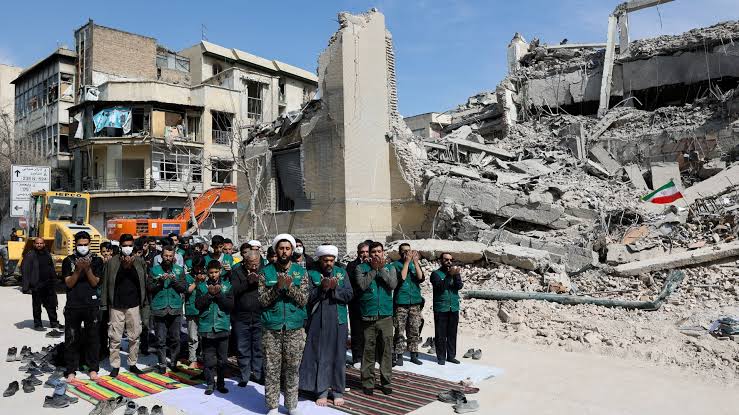
Iran Reels From Devastating War Losses as Military, Infrastructure, Economic Systems Crippled
Iran is grappling with staggering economic and military losses following a six-week war with Israel and the United States, with total damages estimated between $140 billion and $145 billion, according to multiple open-source intelligence assessments
Admin User
Apr 10, 2026
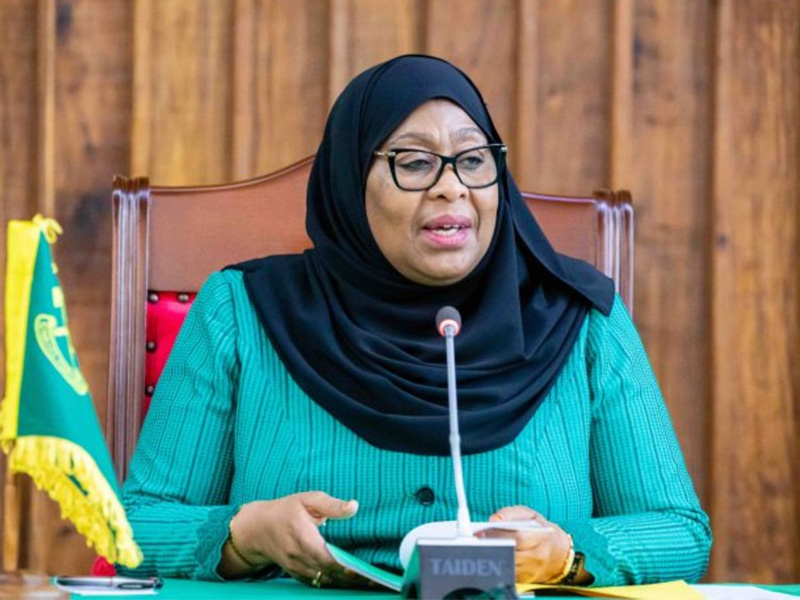
Tanzania President Enacts Sweeping Austerity Measures as Global Conflict Drives Fuel Crisis
President Samia Suluhu Hassan has unveiled a bold package of austerity measures aimed at shielding Tanzania’s economy from the ripple effects of the escalating geopolitical conflict involving the United States, Israel, and Iran.
Admin User
Apr 09, 2026
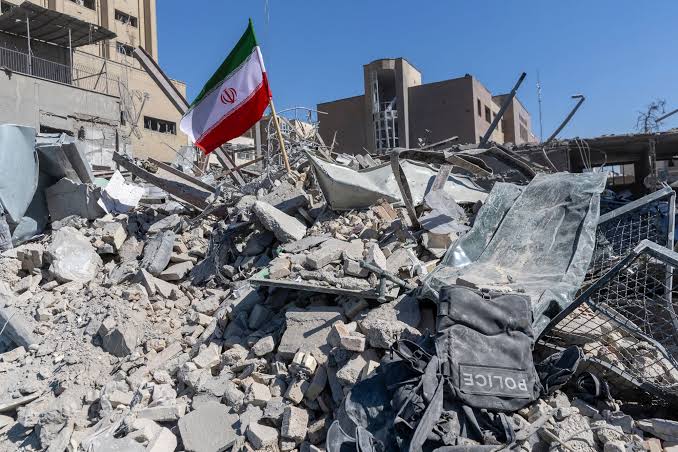
Iran Declares Ceasefire Negotiations Futile Amid Ongoing Lebanon Conflict
The government of Iran has dismissed the prospect of renewed negotiations as “strategically meaningless and futile” amid continuing attacks on Lebanon, according to a source cited by the Islamic Revolutionary Guard Corps-affiliated Fars News Agency.
Admin User
Apr 09, 2026
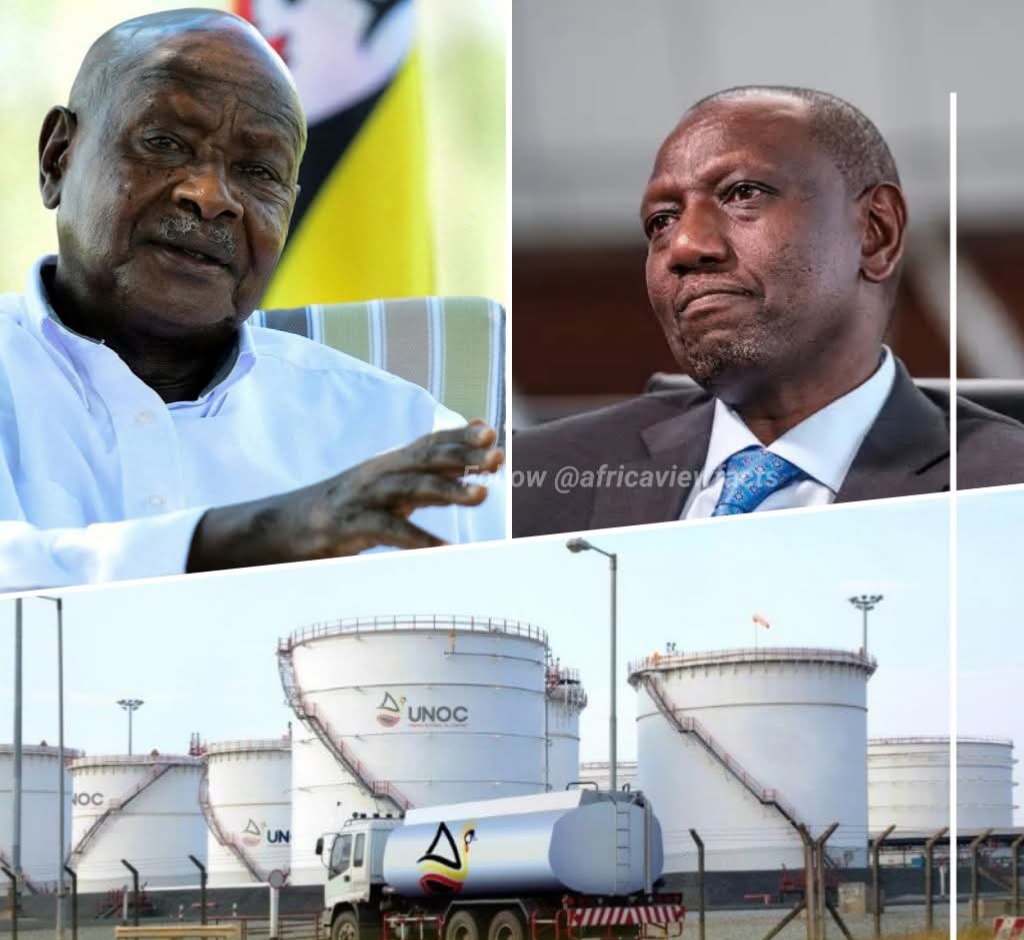
No We Can't Give You Our Fuel, Uganda Turns Down Bailout Request from Kenya
Uganda has declined a request from Kenya for a fuel bailout, citing its own domestic supply obligations and existing commitments.
Uchechi Okporie
Apr 08, 2026
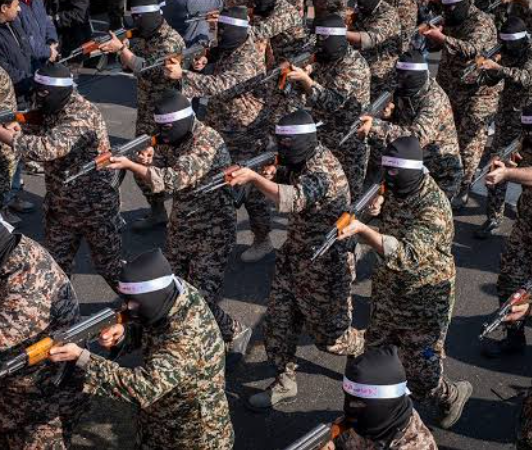
Iran Rules Out Temporary Ceasefire, Sets Stringent Terms for Lasting Peace with U.S
Iran has ruled out any form of temporary ceasefire with the United States, instead outlining a set of stringent conditions for entering negotiations toward what it describes as a “lasting peace,” according to a report by Reuters citing a senior Iranian official.
Uchechi Okporie
Apr 07, 2026
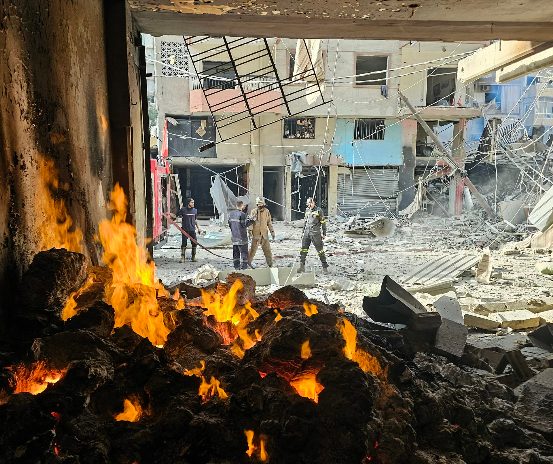
Strait of Hormuz Can’t Be Held Hostage by One Nation, UAE Says, Plans to Join US for Showdown with Iran
The United Arab Emirates has signaled its readiness to back a potential U.S.-led military effort aimed at securing the vital Strait of Hormuz, amid rising geopolitical tensions with Iran.
Uchechi Okporie
Apr 03, 2026
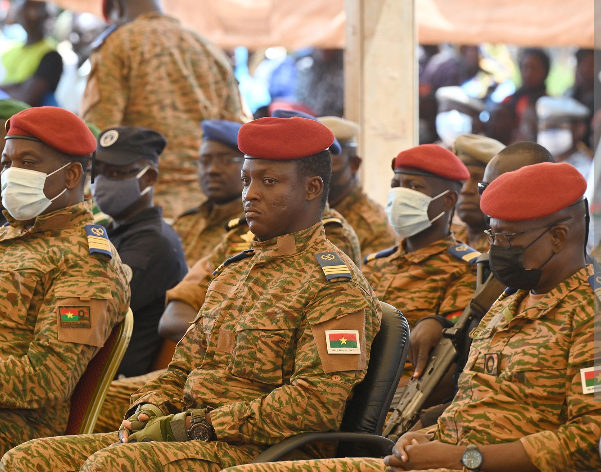
Burkina Faso Junta Leader Declares “Democracy Is Not for Us,” Extends Military Rule Amid Deepening Crisis
Captain Ibrahim Traoré, the ruling military chief of Burkina Faso, declared on Thursday that democracy is no longer a viable option for the West African nation, in a move that further entrenches military control and clouds hopes for a return to civilian rule.
Uchechi Okporie
Apr 03, 2026
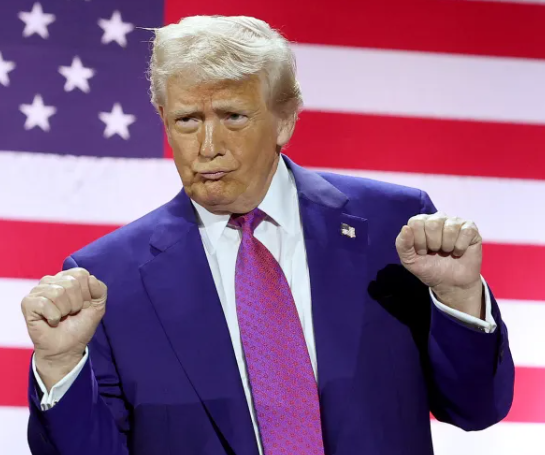
Trump Warns U.S. Forces Have “Not Even Started” Major Strikes in Iran, Signals Possible Escalation of Conflict
U.S. President Donald Trump said late Thursday that American forces have yet to begin fully destroying what remains of Iran’s infrastructure, suggesting that future military actions could target bridges, power plants and other critical systems.
Trending

Apr 11, 2026
BREAKING NEWS: Gunmen Kill Imo Monarch, Five Others, Burn Bodies in Deadly Ambush
Uchechi Okporie
Apr 12, 2026
BREAKING NEWS: He Gave Up Everything… What Followed Is Shaking Thousands Right Now
Uchechi Okporie
Apr 13, 2026
Tragedy in Northeast Nigeria as Airstrike Hits Civilian Market, Reportedly Kills 200 People - Reuters Reports
Uchechi Okporie
Apr 10, 2026
Togo Positions Port of Lomé as Alternative for Global Trade Amid Rising Tensions in Strait of Hormuz
Uchechi Okporie
Apr 10, 2026
Iran Guards Block Botswana Vessels, Allow Gabon, South Africa Past Strait of Hormuz as Fragile Ceasefire Persist
Uchechi Okporie

Apr 10, 2026
Ughelli Reps: Trouble for Waive as His Political Capital, Top Ranking GOs, Archbishops, Bishops, Pastors Disown Him, Move 2027 Support to Ominimini
Uchechi Okporie
Apr 15, 2026
So Sad!! Ghana President Weeps, Turns to Prayers for Nigeria's Future (Read President Mahama's Emotional Statement in Accra)
Uchechi Okporie
Apr 13, 2026
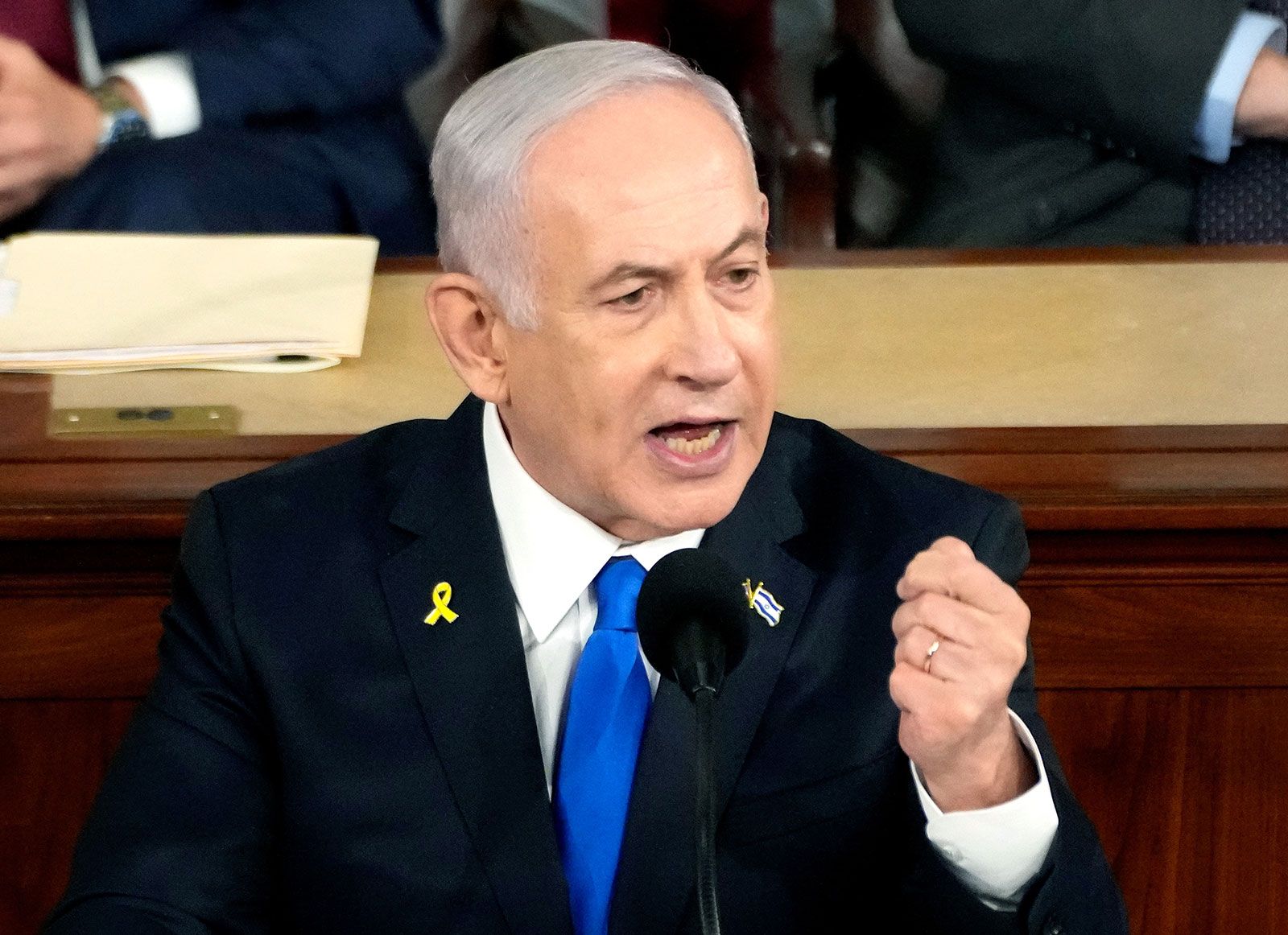
BREAKING: Israeli Prime Minister, Benjamin Netanyahu, Sentenced to 5000 Years in Prison, and here's why
Admin User
Apr 13, 2026
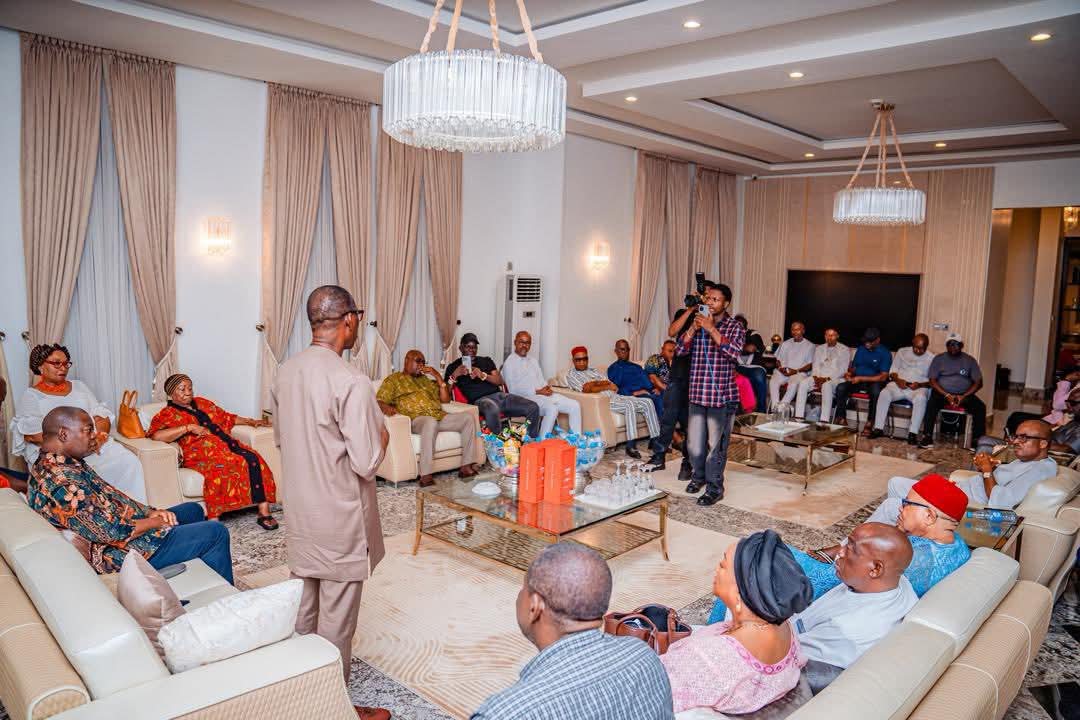
Delta North Political Battle Officially Begins as Okowa Declares for Senate, Says I've Decided to Answer The Call
Uchechi Okporie

Apr 11, 2026
“Enough Is Enough: Pope Leo Declares War a ‘Scandal to Humanity’ in Fiery Global Peace Appeal”
Uchechi Okporie
Apr 14, 2026
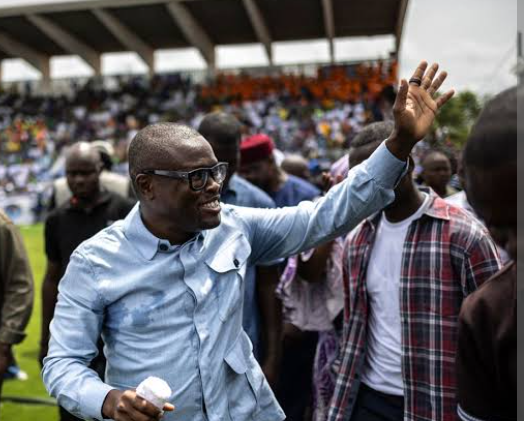
Benin Breaks the Mold: 49-Year-Old Romuald Wadagni Sweeps to Power in a Generational Shift
Uchechi Okporie
Latest Stories
Apr 16, 2026
Where Is the PDP:Silent Strategy or Slow Political Death
Uchechi Okporie
Apr 16, 2026
Nuclear Gamble Nears Endgame: Donald Trump Claims Iran Ready to Surrender Uranium Stockpile in High-Stakes Peace Push
Uchechi Okporie
Apr 16, 2026
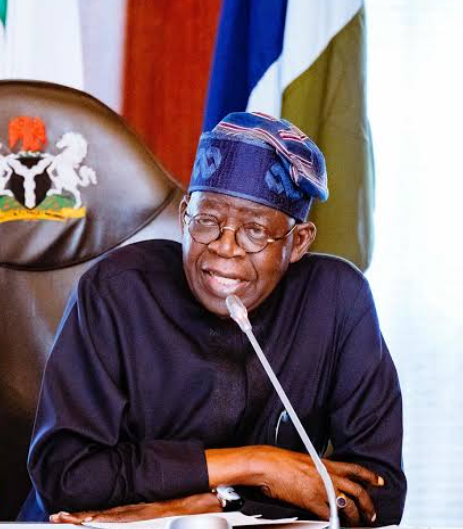
Power Struggle in Africa’s Largest Democracy: Bola Tinubu Declares ‘I Won’t Be Intimidated’ as 2027 Election Battle Takes Shape
Uchechi Okporie
Apr 16, 2026
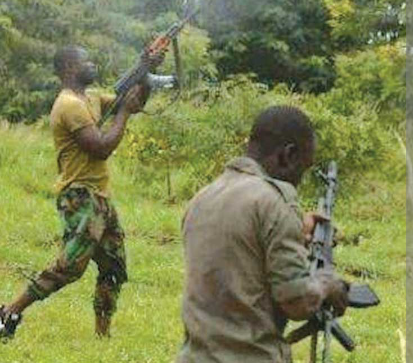
Nigeria’s Education Under fire: Gunmen Kidnap Students in Brutal Highway Attack
Uchechi Okporie
Apr 16, 2026
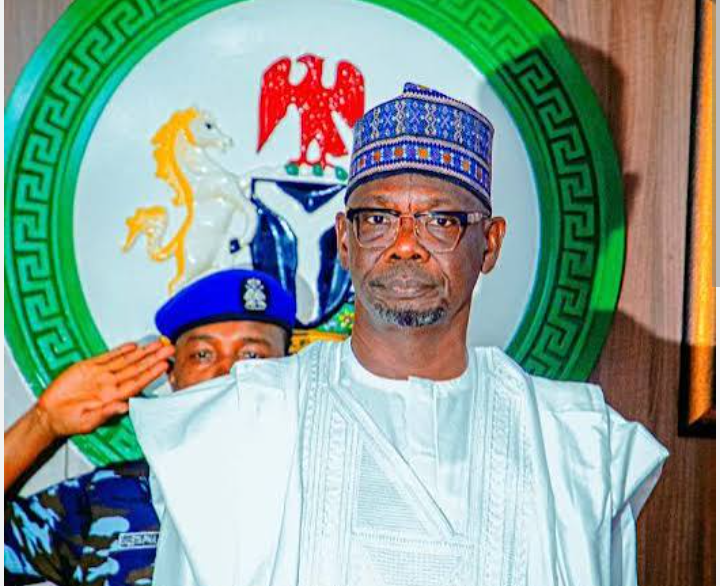
Succession Battle in Nigeria’s North Central Turns: Nasarawa Power Bloc Backs Sen. Wadada for 2027 Governorship Race
Uchechi Okporie

Apr 16, 2026
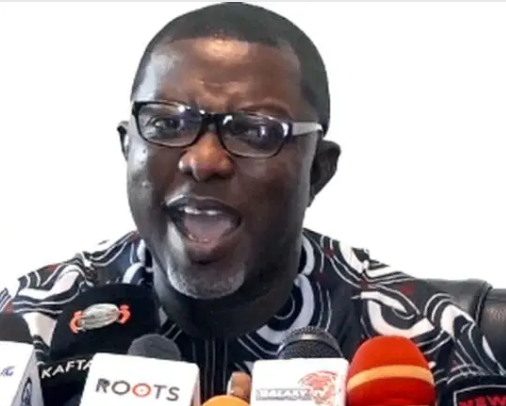
A Nation Starving and Sick: Who Is Lending Nigerians Their Death Sentence
Uchechi Okporie
Apr 16, 2026
Nigeria’s Opposition Rift Deepens as Labour Party Figure Declares Peter Obi “Politically Finished” Within Party
Uchechi Okporie
Apr 16, 2026
West Africa Signals Unity as Tinubu Congratulates Benin’s President-Elect After Overwhelming Win
Uchechi Okporie
Apr 16, 2026
Sudan Crisis Deepens, Africa Faces Growing Humanitarian Emergency
Uchechi Okporie

Apr 16, 2026
South Africa Sends Seasoned Power Broker to Washington in Strategic Diplomatic Move
Uchechi Okporie

Apr 16, 2026
“Big School, Empty Promise: Why Nigeria’s Obsession with Prestige Is Producing Unprepared Graduates”
Uchechi Okporie