Tanzania President Enacts Sweeping Austerity Measures as Global Conflict Drives Fuel Crisis
 Admin User
Apr 10, 2026
3 min read
Admin User
Apr 10, 2026
3 min read
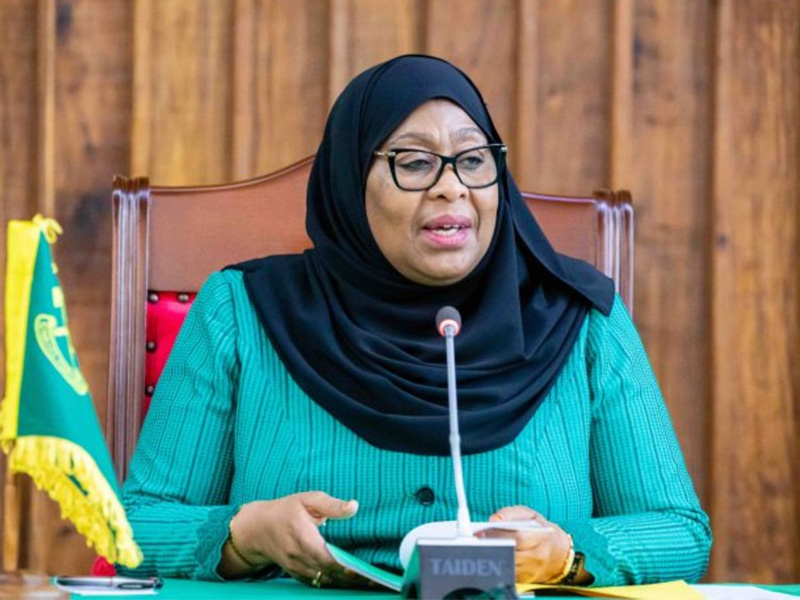
President Samia Suluhu Hassan has unveiled a bold package of austerity measures aimed at shielding Tanzania’s economy from the ripple effects of the escalating geopolitical conflict involving the United States, Israel, and Iran.
Speaking during a swearing-in ceremony in the capital, Dodoma, the President warned that the intensifying crisis has destabilized global energy markets, triggering a sharp rise in oil prices and widespread supply chain disruptions.
Central to the disruption is the effective blockade of the Strait of Hormuz, a critical maritime corridor through which nearly a fifth of the world’s oil supply typically passes.
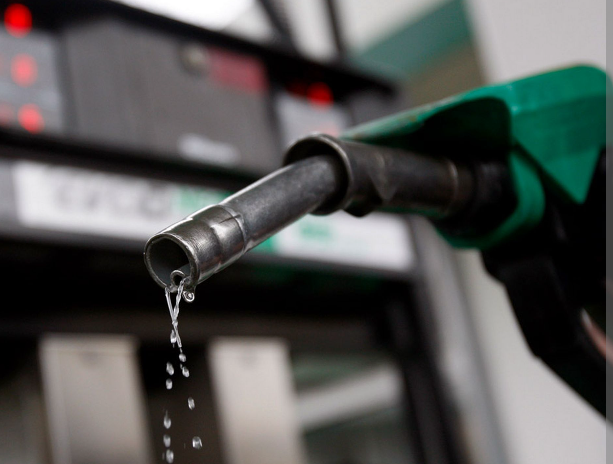
The global shock has quickly translated into domestic strain. Tanzania has recorded one of its steepest fuel price hikes in recent history, with petrol prices surging by over 33 percent within a month to approximately $1.47 per liter.
The increase has already begun to ripple through the broader economy, pushing up transportation costs, food prices, and operational expenses for businesses.
Economic analysts warn that if sustained, the spike could fuel inflationary pressures, weaken consumer purchasing power, and slow economic growth in key sectors such as agriculture, logistics, and manufacturing.
In a symbolic and practical move, President Samia announced a drastic reduction in her official motorcade. Traditionally comprising more than 30 vehicles, including luxury SUVs, security units, and support teams, the convoy will now be limited to just four essential vehicles: her official car, a police escort, a security backup unit, and an ambulance.
The President framed the decision as both a cost-saving measure and a demonstration of leadership by example.
Reducing the size of presidential movements is expected not only to conserve fuel but also to ease traffic congestion in urban areas, particularly in Dar es Salaam and Dodoma.
Extending the austerity drive across government, the President directed all senior officials to adopt shared transportation for official engagements. Under the new policy, ministers, aides, and senior civil servants will travel together in a single bus rather than in separate high-consumption vehicles.
The directive marks a significant departure from longstanding government practice and is intended to enforce discipline in public spending.
Related Posts
Nuclear Gamble Nears Endgame: Donald Trump Claims Iran Ready to Surrender Uranium Stockpile in High-Stakes Peace Push
In a dramatic turn in Middle East diplomacy, Donald Trump has announced that Iran has agre...
Iran Guards Block Botswana Vessels, Allow Gabon, South Africa Past Strait of Hormuz as Fragile Ceasefire Persist
Shipping activity in the strategically vital Strait of Hormuz is showing tentative signs o...
Pakistan to Host U.S.-Iran Talks as Fighting Continues in Lebanon
Pakistan is preparing to host negotiations between the United States and Iran this week, e...
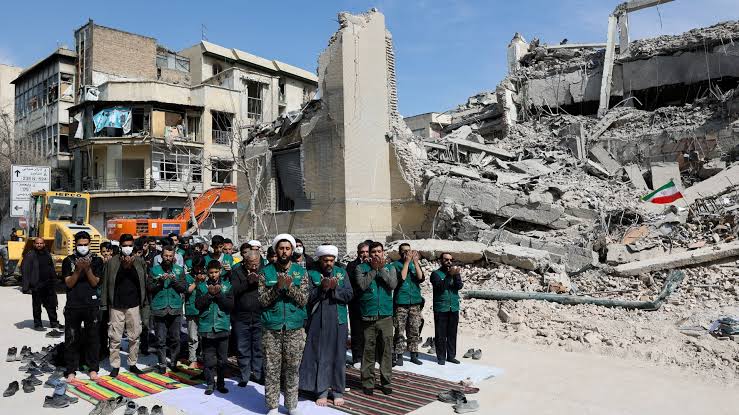
Iran Reels From Devastating War Losses as Military, Infrastructure, Economic Systems Crippled
Iran is grappling with staggering economic and military losses following a six-week war wi...
“The era of excess must give way to efficiency,” the President stated, underscoring the need for accountability in the use of public resources during a period of global uncertainty.
Travel Restrictions and Digital Shift The government has also imposed an immediate ban on all non-essential domestic and international travel for public officials.
Ministries and agencies have been instructed to prioritize virtual meetings and digital coordination platforms to maintain government operations while reducing fuel consumption and costs.
This shift is expected to accelerate Tanzania’s ongoing digital transformation efforts, particularly in public administration and inter-agency collaboration.
Despite the challenges, President Samia reassured citizens that Tanzania currently maintains sufficient fuel reserves to last approximately three months. However, she cautioned that global market conditions remain volatile and unpredictable.
To prevent exploitation, the government has intensified regulatory oversight of fuel distribution and pricing. Traders have been warned against hoarding or artificially inflating prices, with authorities pledging strict enforcement measures against violators.
Regional and Global Implications Tanzania’s response reflects a broader trend among oil-importing nations grappling with the economic fallout of geopolitical tensions.
Across East Africa, governments are exploring similar cost-containment strategies as energy prices surge and currencies face pressure.
Policy experts note that while austerity measures may provide short-term relief, long-term resilience will depend on diversifying energy sources, investing in renewables, and strengthening regional trade networks to reduce dependency on volatile global supply chains.
Public Reaction and Outlook Initial public reaction has been mixed. While many citizens have welcomed the President’s personal commitment to cutting costs, others remain concerned about the rising cost of living and its impact on livelihoods.
As the global situation evolves, Tanzania’s ability to balance fiscal discipline with economic stability will be closely watched. For now, the government’s message is clear: decisive action and shared sacrifice are essential to weather the unfolding crisis.
Related Posts
Admin User
Apr 09, 2026
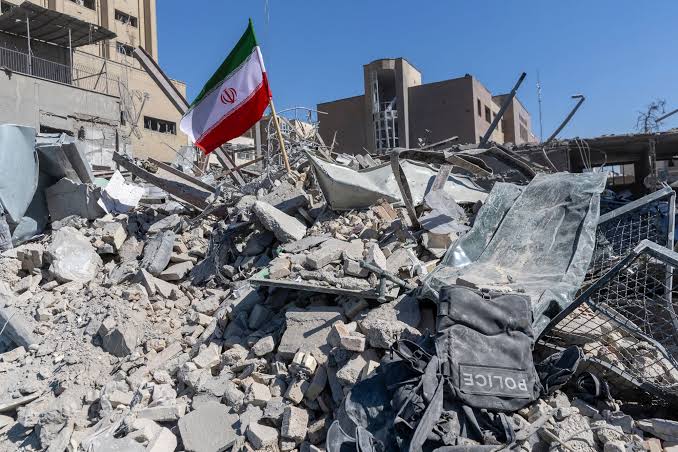
Iran Declares Ceasefire Negotiations Futile Amid Ongoing Lebanon Conflict
The government of Iran has dismissed the prospect of renewed negotiations as “strategically meaningless and futile” amid continuing attacks on Lebanon, according to a source cited by the Islamic Revolutionary Guard Corps-affiliated Fars News Agency.
Admin User
Apr 09, 2026
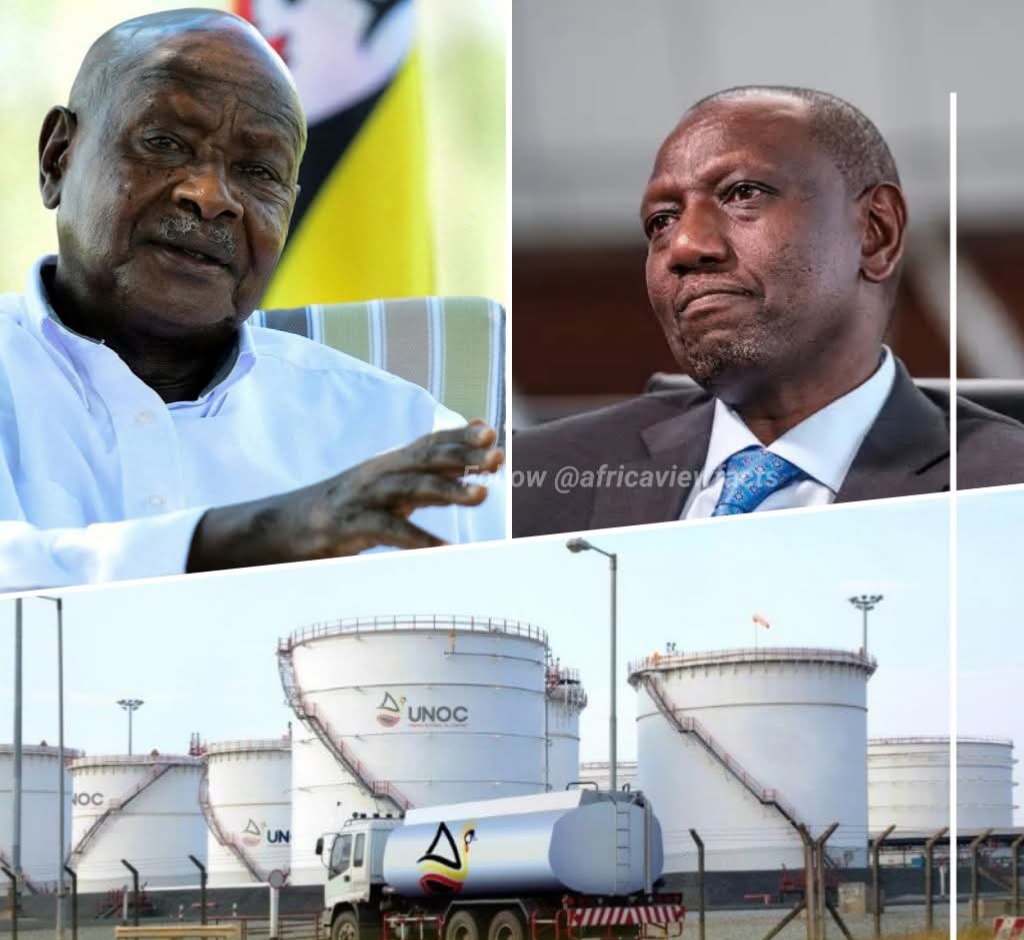
No We Can't Give You Our Fuel, Uganda Turns Down Bailout Request from Kenya
Uganda has declined a request from Kenya for a fuel bailout, citing its own domestic supply obligations and existing commitments.

Uchechi Okporie
Apr 08, 2026
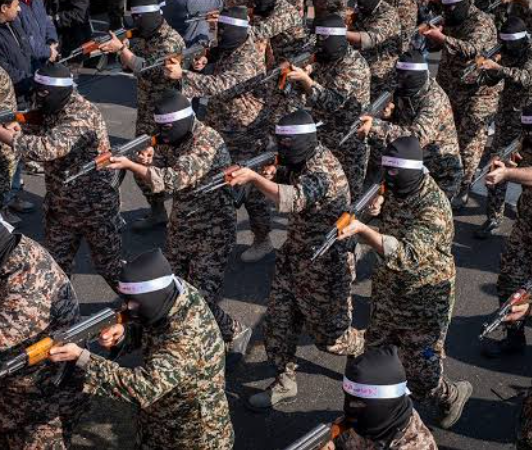
Iran Rules Out Temporary Ceasefire, Sets Stringent Terms for Lasting Peace with U.S
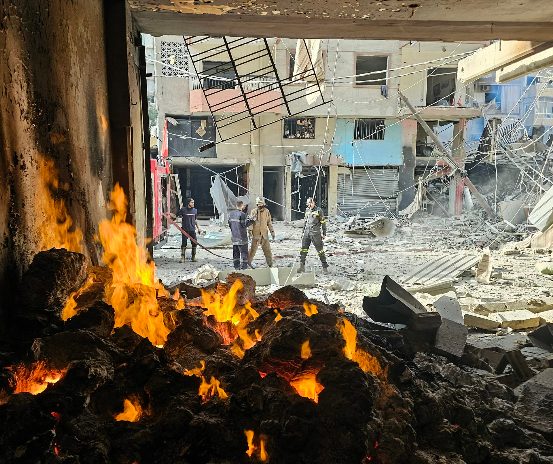
Iran has ruled out any form of temporary ceasefire with the United States, instead outlining a set of stringent conditions for entering negotiations toward what it describes as a “lasting peace,” according to a report by Reuters citing a senior Iranian official.
Uchechi Okporie
Apr 07, 2026
Strait of Hormuz Can’t Be Held Hostage by One Nation, UAE Says, Plans to Join US for Showdown with Iran
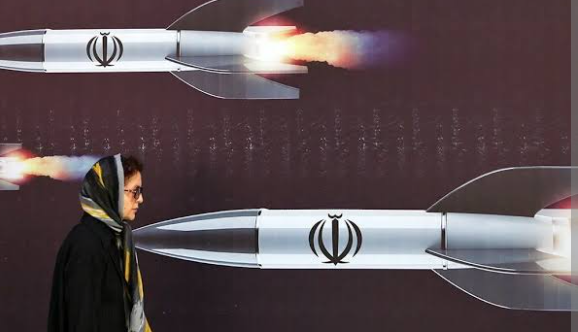
The United Arab Emirates has signaled its readiness to back a potential U.S.-led military effort aimed at securing the vital Strait of Hormuz, amid rising geopolitical tensions with Iran.
Uchechi Okporie
Apr 07, 2026
Iran-Israel War: The Intelligence Russia Shared With Iran That Could Cripple Israel in Days Without Missiles
A quiet but consequential shift may be unfolding behind the scenes of the Middle East’s already fragile security landscape, one that extends far beyond missiles and military hardware into the realm of strategic vulnerability itself.
Uchechi Okporie
Apr 03, 2026
Trump Warns U.S. Forces Have “Not Even Started” Major Strikes in Iran, Signals Possible Escalation of Conflict
U.S. President Donald Trump said late Thursday that American forces have yet to begin fully destroying what remains of Iran’s infrastructure, suggesting that future military actions could target bridges, power plants and other critical systems.
Uchechi Okporie
Mar 30, 2026
TotalEnergies Pushes Transparency Message as Uganda–Tanzania Oil Megaprojects Face Global Scrutiny
TotalEnergies Pushes Transparency Message as Uganda–Tanzania Oil Megaprojects Face Global Scrutiny TotalEnergies is doubling down on transparency claims for its controversial oil megaprojects in Uganda and Tanzania, releasing new details on environmental safeguards, land compensation and human-rights commitments as international pressure intensi
Uchechi Okporie
Mar 25, 2026
International Energy Markets: Fuel Prices Stay High in Nigeria Despite Falling Crude Oil Costs
Fuel retailers across Nigeria have maintained high petrol pump prices, even as global crude oil prices have fallen sharply, according to a report monitored across Lagos and other major cities.
Trending
Apr 11, 2026
BREAKING NEWS: Gunmen Kill Imo Monarch, Five Others, Burn Bodies in Deadly Ambush
Uchechi Okporie
Apr 12, 2026
BREAKING NEWS: He Gave Up Everything… What Followed Is Shaking Thousands Right Now
Uchechi Okporie
Apr 13, 2026
Tragedy in Northeast Nigeria as Airstrike Hits Civilian Market, Reportedly Kills 200 People - Reuters Reports
Uchechi Okporie
Apr 10, 2026
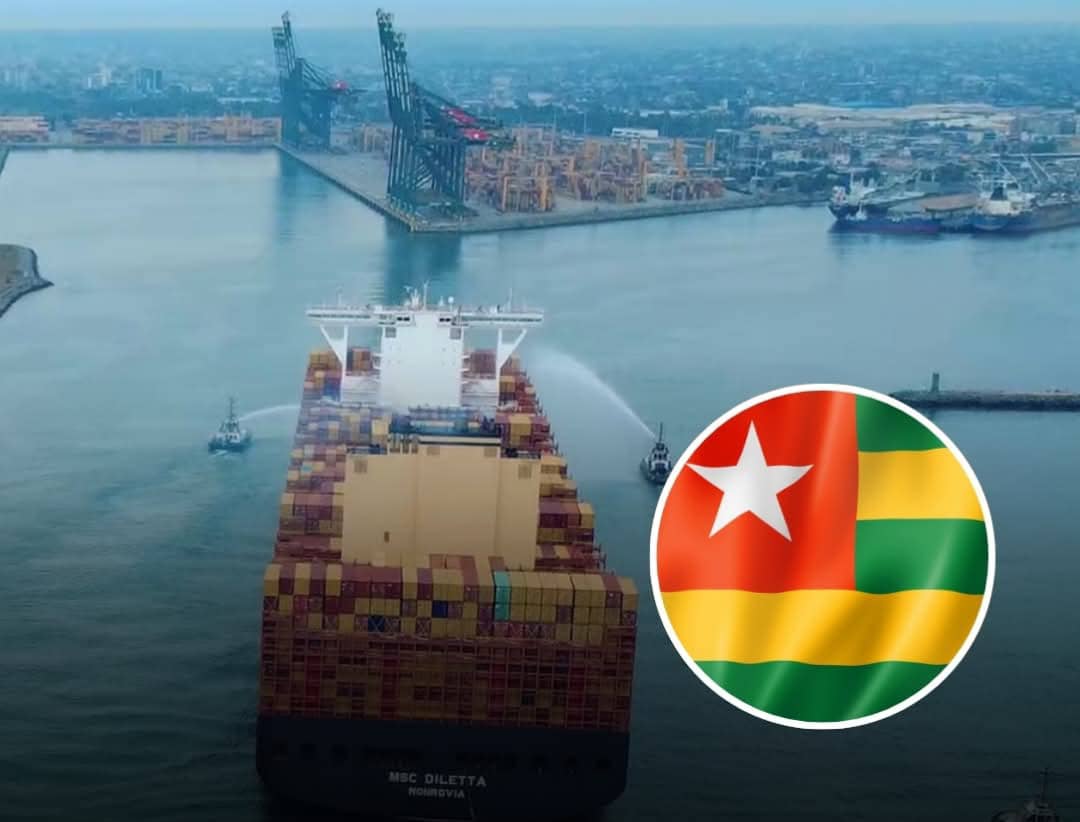
Togo Positions Port of Lomé as Alternative for Global Trade Amid Rising Tensions in Strait of Hormuz
Uchechi Okporie
Apr 10, 2026
Iran Guards Block Botswana Vessels, Allow Gabon, South Africa Past Strait of Hormuz as Fragile Ceasefire Persist
Uchechi Okporie
Apr 10, 2026
Ughelli Reps: Trouble for Waive as His Political Capital, Top Ranking GOs, Archbishops, Bishops, Pastors Disown Him, Move 2027 Support to Ominimini
Uchechi Okporie
Apr 15, 2026
So Sad!! Ghana President Weeps, Turns to Prayers for Nigeria's Future (Read President Mahama's Emotional Statement in Accra)
Uchechi Okporie
Apr 13, 2026
BREAKING: Israeli Prime Minister, Benjamin Netanyahu, Sentenced to 5000 Years in Prison, and here's why
Admin User
Apr 13, 2026
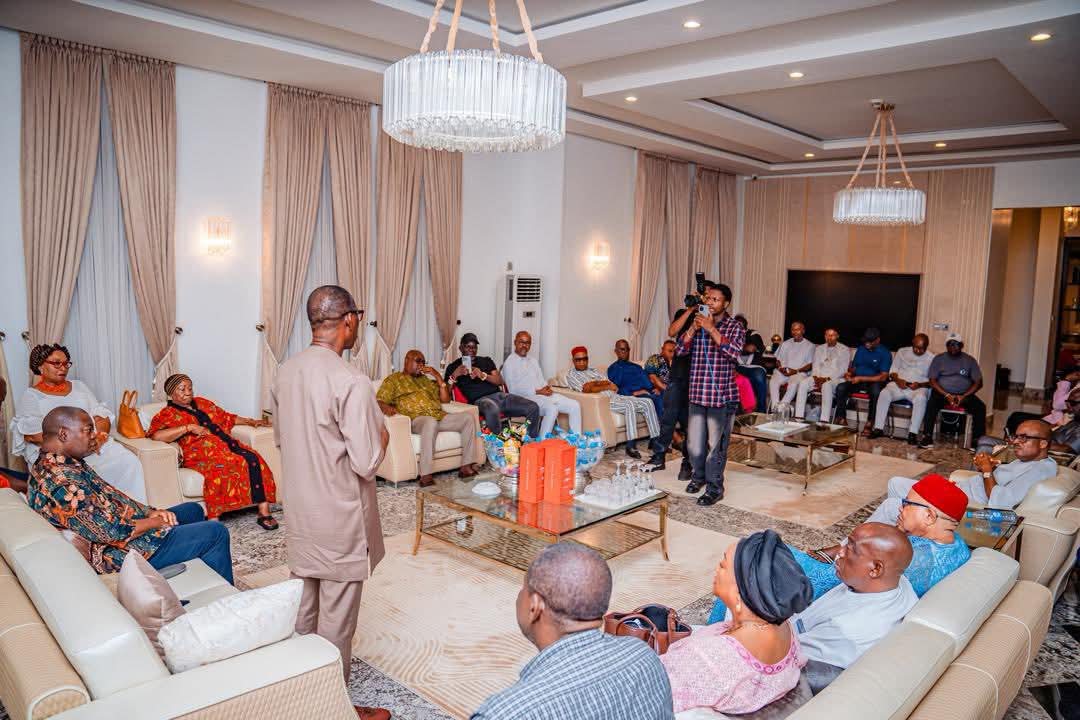
Delta North Political Battle Officially Begins as Okowa Declares for Senate, Says I've Decided to Answer The Call
Uchechi Okporie
Apr 11, 2026
“Enough Is Enough: Pope Leo Declares War a ‘Scandal to Humanity’ in Fiery Global Peace Appeal”
Uchechi Okporie
Apr 14, 2026
Benin Breaks the Mold: 49-Year-Old Romuald Wadagni Sweeps to Power in a Generational Shift
Uchechi Okporie
Latest Stories
Apr 16, 2026
Where Is the PDP:Silent Strategy or Slow Political Death
Uchechi Okporie
Apr 16, 2026
Nuclear Gamble Nears Endgame: Donald Trump Claims Iran Ready to Surrender Uranium Stockpile in High-Stakes Peace Push
Uchechi Okporie
Apr 16, 2026
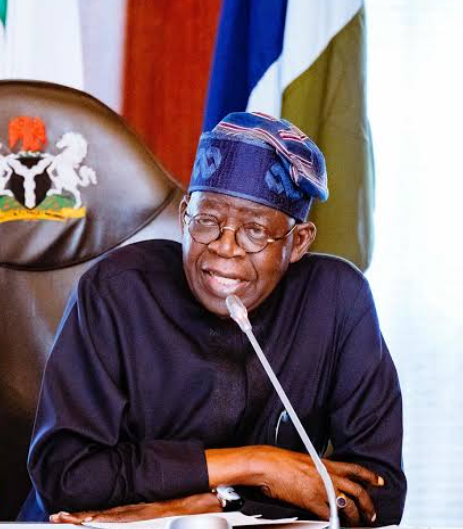
Power Struggle in Africa’s Largest Democracy: Bola Tinubu Declares ‘I Won’t Be Intimidated’ as 2027 Election Battle Takes Shape
Uchechi Okporie
Apr 16, 2026
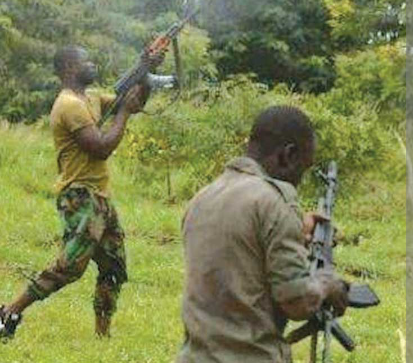
Nigeria’s Education Under fire: Gunmen Kidnap Students in Brutal Highway Attack
Uchechi Okporie
Apr 16, 2026
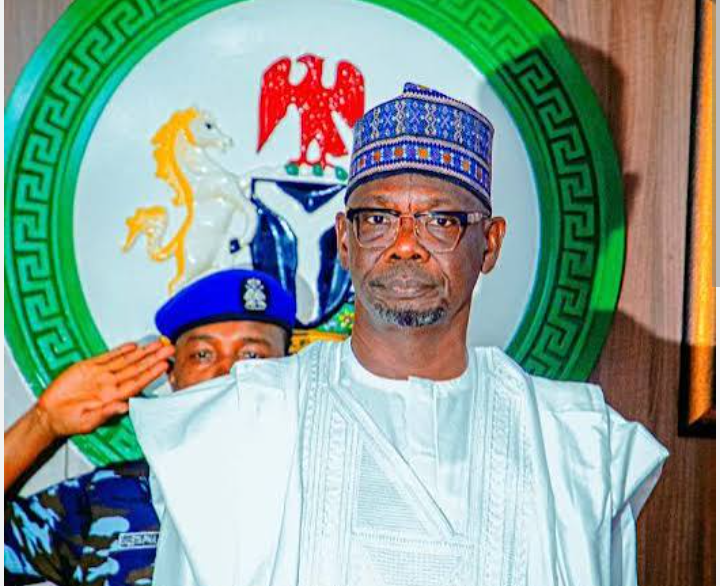
Succession Battle in Nigeria’s North Central Turns: Nasarawa Power Bloc Backs Sen. Wadada for 2027 Governorship Race
Uchechi Okporie

Apr 16, 2026
A Nation Starving and Sick: Who Is Lending Nigerians Their Death Sentence
Uchechi Okporie
Apr 16, 2026
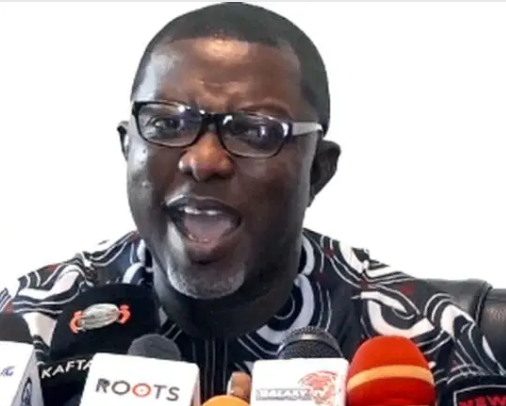
Nigeria’s Opposition Rift Deepens as Labour Party Figure Declares Peter Obi “Politically Finished” Within Party
Uchechi Okporie
Apr 16, 2026
West Africa Signals Unity as Tinubu Congratulates Benin’s President-Elect After Overwhelming Win
Uchechi Okporie
Apr 16, 2026
Sudan Crisis Deepens, Africa Faces Growing Humanitarian Emergency
Uchechi Okporie

Apr 16, 2026
South Africa Sends Seasoned Power Broker to Washington in Strategic Diplomatic Move
Uchechi Okporie
Apr 16, 2026
“Big School, Empty Promise: Why Nigeria’s Obsession with Prestige Is Producing Unprepared Graduates”
Uchechi Okporie