Something Big is About to Happen in This Africa Nation, Read What the Parliament Plans to do
 Admin User
Apr 09, 2026
3 min read
Admin User
Apr 09, 2026
3 min read
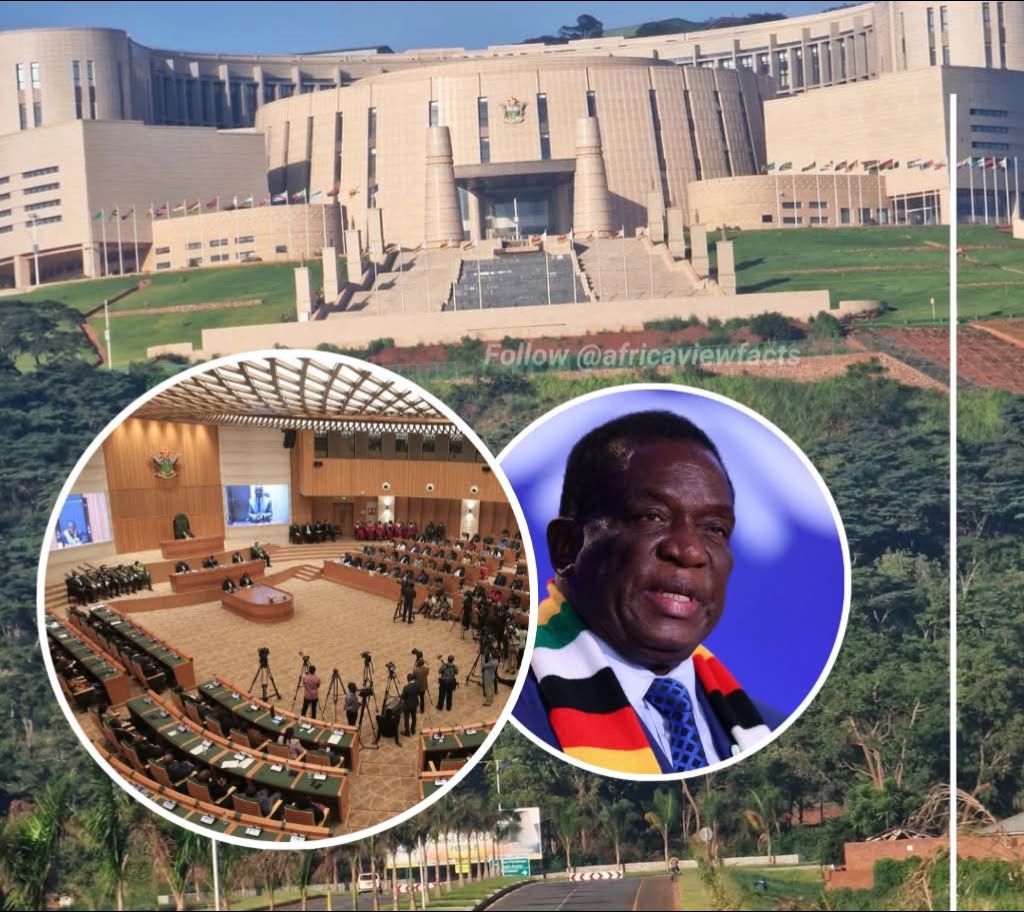
Zimbabwe is weighing a significant constitutional shift that could fundamentally alter how its president is selected, sparking intense national debate over the future of its democracy.
The ruling ZANU-PF party has introduced Constitution Amendment Bill No. 3, a proposal that would eliminate direct presidential elections and instead empower Parliament to choose the head of state.
If passed, the reform would mark a major departure from the current system, where citizens vote directly for their president.
In addition to changing the electoral process, the bill seeks to extend both presidential and parliamentary terms from five years to seven.
Analysts note that, if implemented, the amendment could allow current President Emmerson Mnangagwa to remain in office until 2030, beyond his existing mandate.
The proposed reforms have ignited widespread public discussion. Recent parliamentary public hearings held across the country drew large crowds, with citizens, civil society groups, and political stakeholders expressing sharply divided opinions.
Critics argue that removing direct elections risks undermining democratic accountability and concentrates power within political elites.
Related Posts
Nigeria’s Education Under fire: Gunmen Kidnap Students in Brutal Highway Attack
Nigeria’s deepening security crisis has struck at the heart of its future, as armed attack...
West Africa Signals Unity as Tinubu Congratulates Benin’s President-Elect After Overwhelming Win
Nigeria’s President, Bola Ahmed Tinubu, has extended warm congratulations to Romuald Wadag...
Sudan Crisis Deepens, Africa Faces Growing Humanitarian Emergency
The conflict in Sudan continues to worsen, creating a major humanitarian crisis with serio...
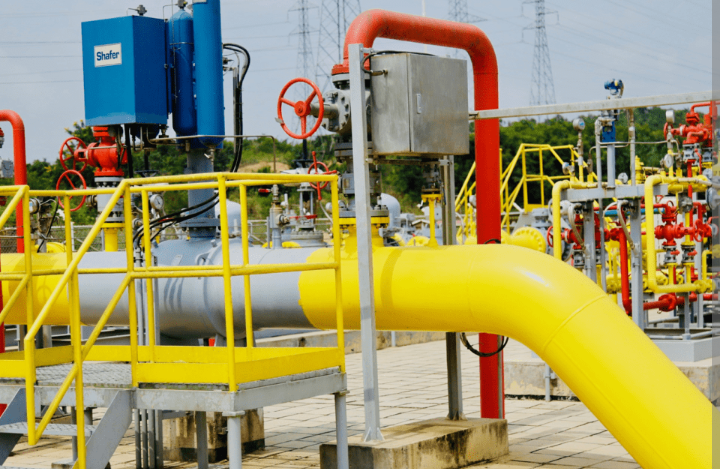
BREAKING: Ghana Plunged Into Darkness as Gas Plant Collapse Triggers Nationwide Power Shock
A major energy disruption has hit Ghana after the state-owned Ghana National Gas Company a...
“This is a step backward for participatory democracy,” said one constitutional lawyer during a hearing in Harare, warning that voters would lose their direct voice in choosing national leadership.
Opposition parties and pro-democracy activists have also raised concerns about transparency, suggesting that a parliamentary system could be more susceptible to political manipulation, especially in a legislature dominated by a single party.
Supporters of the amendment, however, contend that the changes could enhance political stability and reduce the costs associated with nationwide elections.
Some lawmakers within ZANU-PF argue that a parliamentary selection process would streamline governance and minimize electoral disputes that have historically led to tensions.
Government officials backing the bill have framed it as part of broader constitutional reforms aimed at strengthening institutions. “This is about ensuring continuity and stability in leadership,” one senior party official stated.
The bill’s future remains uncertain, as constitutional amendments in Zimbabwe require a two-thirds majority in Parliament. While ZANU-PF holds a strong position, the intensity of public opposition could influence the legislative process.
As the debate continues, the proposed changes have placed Zimbabwe at a crossroads, with the outcome likely to have lasting implications for its political system and democratic trajectory.
Related Posts

Uchechi Okporie
Apr 15, 2026
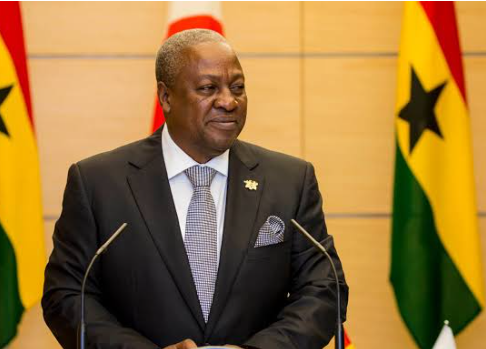
So Sad!! Ghana President Weeps, Turns to Prayers for Nigeria's Future (Read President Mahama's Emotional Statement in Accra)
At a high-profile gathering in West Africa, John Dramani Mahama, President of Ghana, delivered a candid and strategic message about the future of the region, one that hinges significantly on the stability of Nigeria.
Uchechi Okporie
Apr 14, 2026
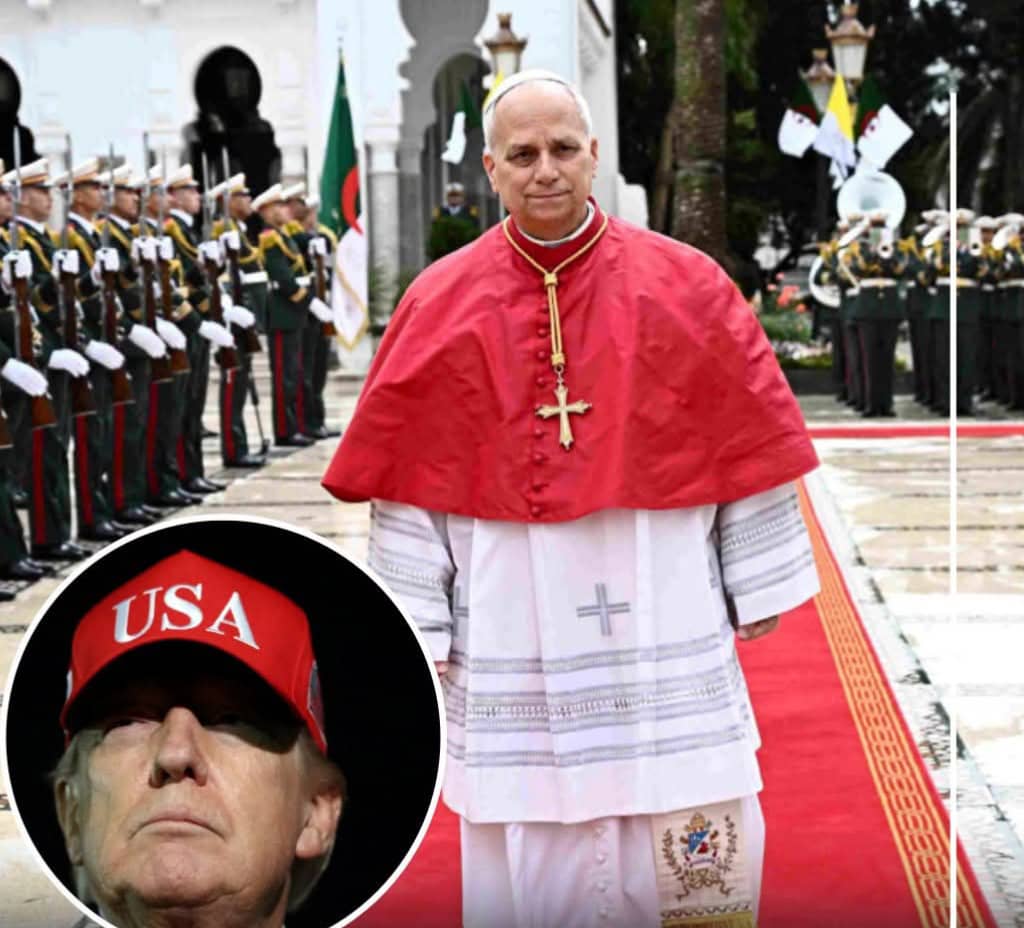
Pope Leo XIV Begins Historic Visit to Africa, Calls for Peace, Global Responsibility (Check the first country he visited)
Pope Leo XIV has arrived in Algeria, marking the first papal visit to the North African nation, in a trip already drawing global attention for its strong message on peace and international conduct.
Admin User
Apr 09, 2026
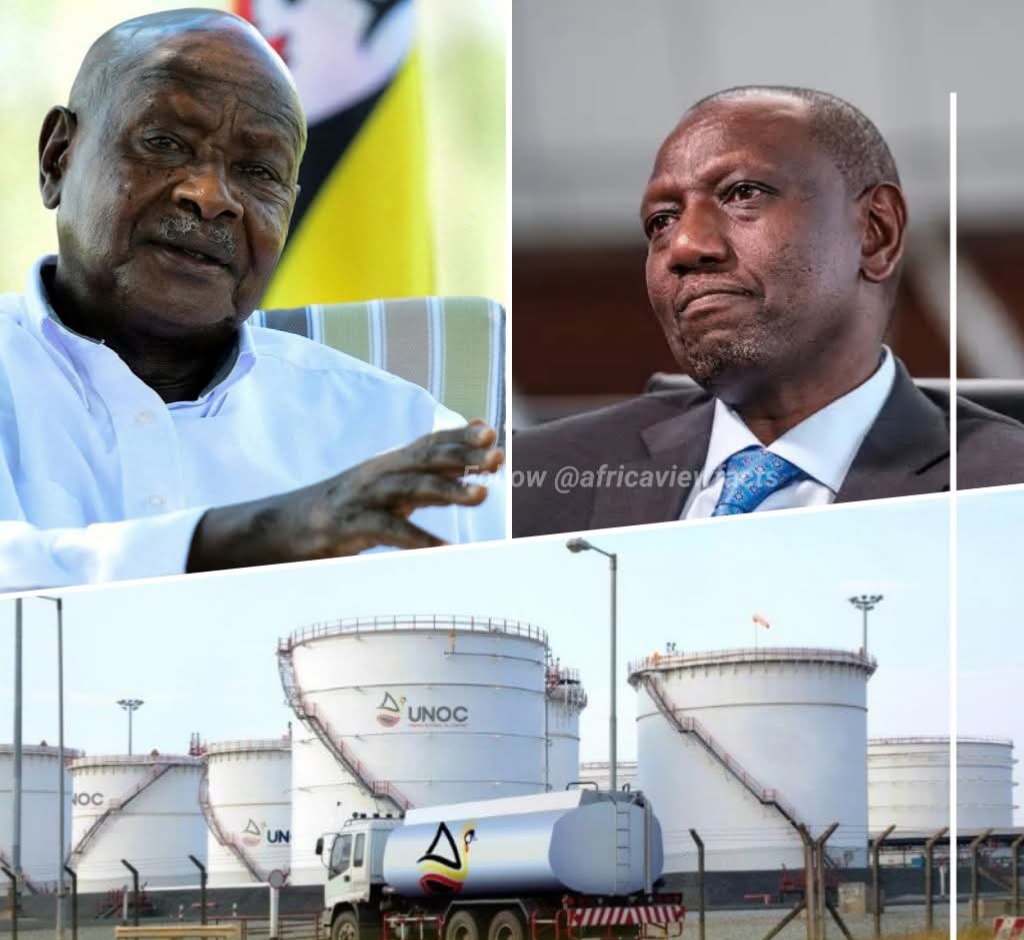
No We Can't Give You Our Fuel, Uganda Turns Down Bailout Request from Kenya
Uganda has declined a request from Kenya for a fuel bailout, citing its own domestic supply obligations and existing commitments.
Uchechi Okporie
Apr 06, 2026
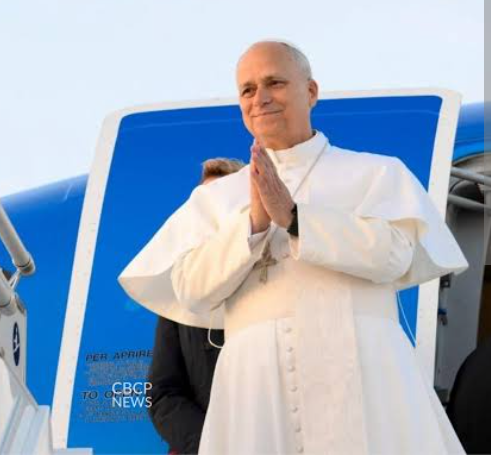
Pope Leo XIV to Embark on 10-Day Pastoral Tour Across Africa (Check List of Countries and cities he will visit)
Pope Leo XIV will undertake his first pastoral visit to Africa from April 13 to April 23, 2026, marking a significant milestone for his pontificate and the global Catholic Church.
Uchechi Okporie
Apr 04, 2026
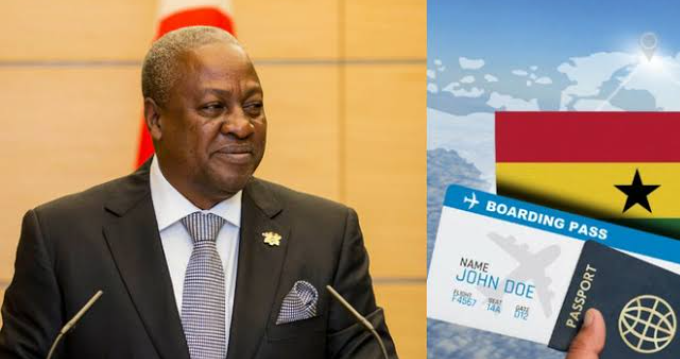
Ghana to Grant Visa-Free Entry to All African Nationals from May 2026
Ghana has announced a landmark policy that will allow all African passport holders to enter the country visa-free starting May 25, 2026, aligning the launch with Africa Day celebrations.
Uchechi Okporie
Mar 14, 2026
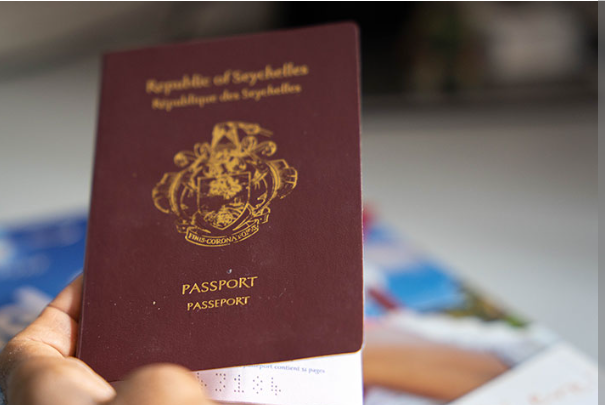
Island Nation Seychelles Leads Africa in Passport Power, Expanding Global Travel Access
Seychelles has retained its position as the holder of Africa’s most powerful passport, offering its citizens visa-free or visa-on-arrival access to about 152 destinations around the world. The country also climbed to 28th place globally in the latest passport mobility rankings.
Uchechi Okporie
Mar 14, 2026
Abdulsamad Rabiu Climbs to Africa’s Third-Richest as Manufacturing Empire Fuels Billion-Dollar Wealth Surge
Nigerian industrialist Abdulsamad Rabiu has risen to become the third-richest person in Africa, following a major surge in the value of his business empire. The billionaire entrepreneur, founder of BUA Group, saw his fortune climb significantly as shares in his key companies gained momentum in the market.
Uchechi Okporie
Mar 13, 2026
Power and Firepower: These 10 African Countries Control the Continent’s Strongest Militaries
A new military ranking has revealed the African nations with the most powerful armed forces in 2024, with Egypt emerging as the continent’s strongest military power.
Trending
Apr 11, 2026
BREAKING NEWS: Gunmen Kill Imo Monarch, Five Others, Burn Bodies in Deadly Ambush
Uchechi Okporie
Apr 12, 2026
BREAKING NEWS: He Gave Up Everything… What Followed Is Shaking Thousands Right Now
Uchechi Okporie
Apr 13, 2026
Tragedy in Northeast Nigeria as Airstrike Hits Civilian Market, Reportedly Kills 200 People - Reuters Reports
Uchechi Okporie
Apr 10, 2026
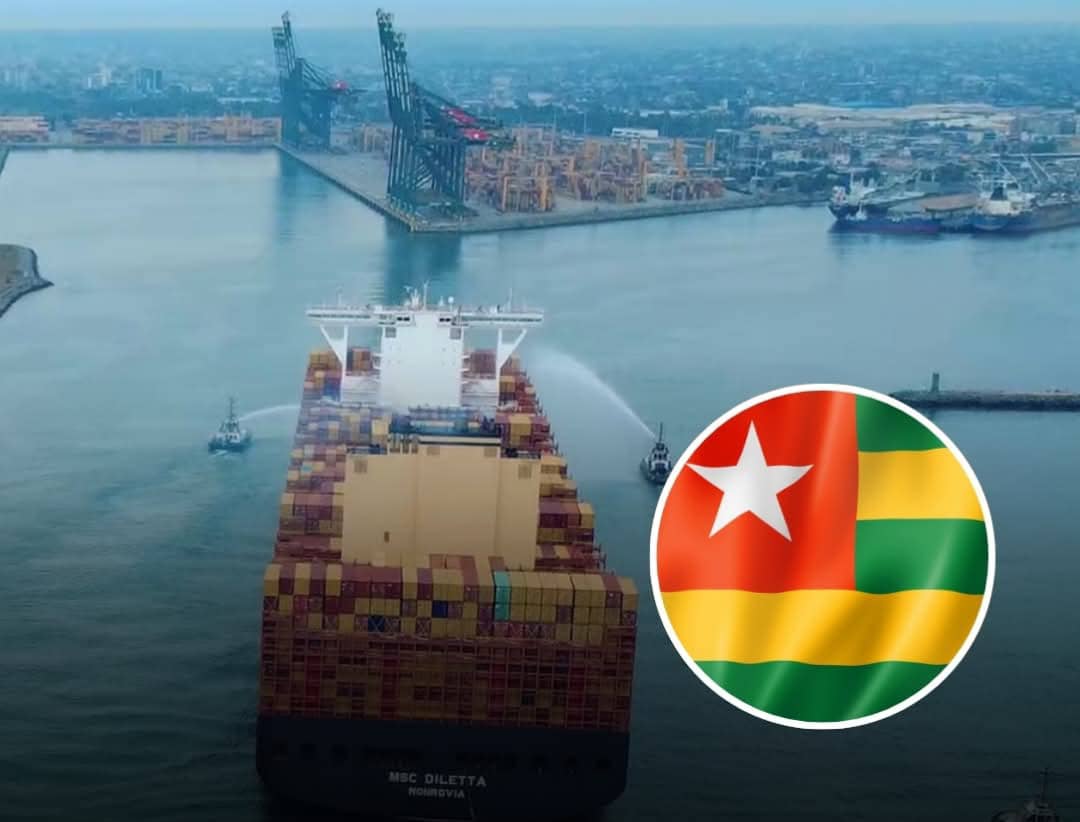
Togo Positions Port of Lomé as Alternative for Global Trade Amid Rising Tensions in Strait of Hormuz
Uchechi Okporie
Apr 10, 2026
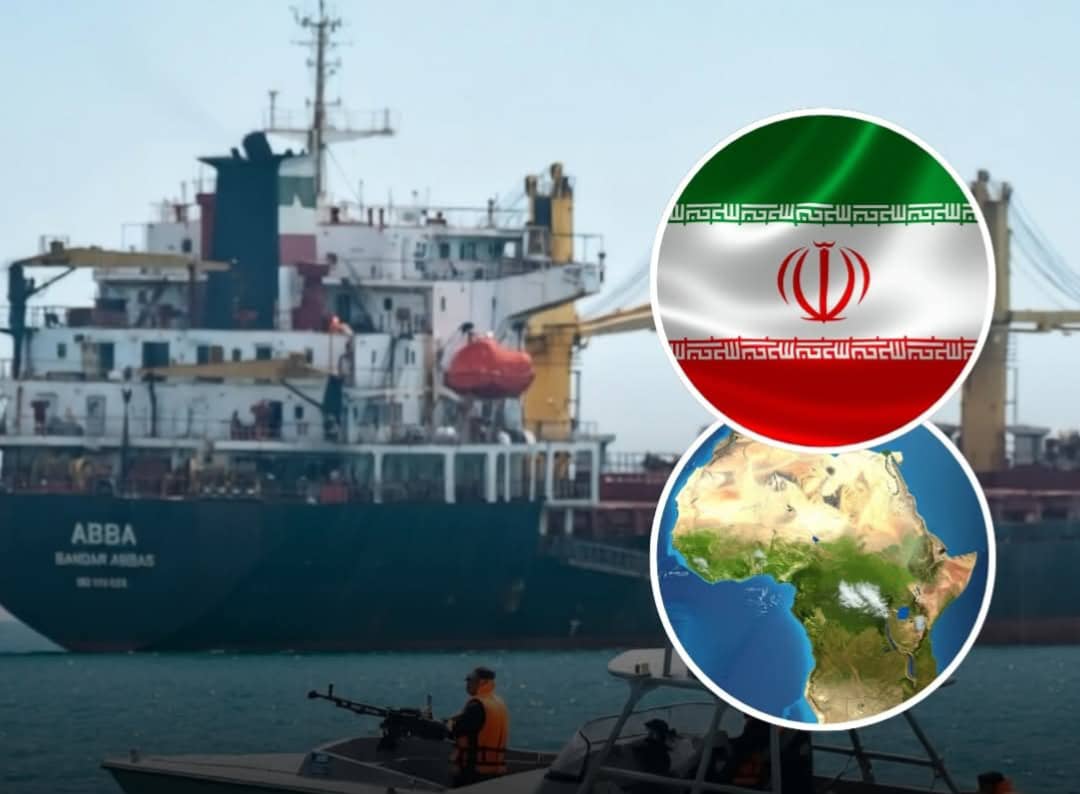
Iran Guards Block Botswana Vessels, Allow Gabon, South Africa Past Strait of Hormuz as Fragile Ceasefire Persist
Uchechi Okporie
Apr 10, 2026
Ughelli Reps: Trouble for Waive as His Political Capital, Top Ranking GOs, Archbishops, Bishops, Pastors Disown Him, Move 2027 Support to Ominimini
Uchechi Okporie
Apr 15, 2026
So Sad!! Ghana President Weeps, Turns to Prayers for Nigeria's Future (Read President Mahama's Emotional Statement in Accra)
Uchechi Okporie
Apr 13, 2026
BREAKING: Israeli Prime Minister, Benjamin Netanyahu, Sentenced to 5000 Years in Prison, and here's why
Admin User
Apr 13, 2026
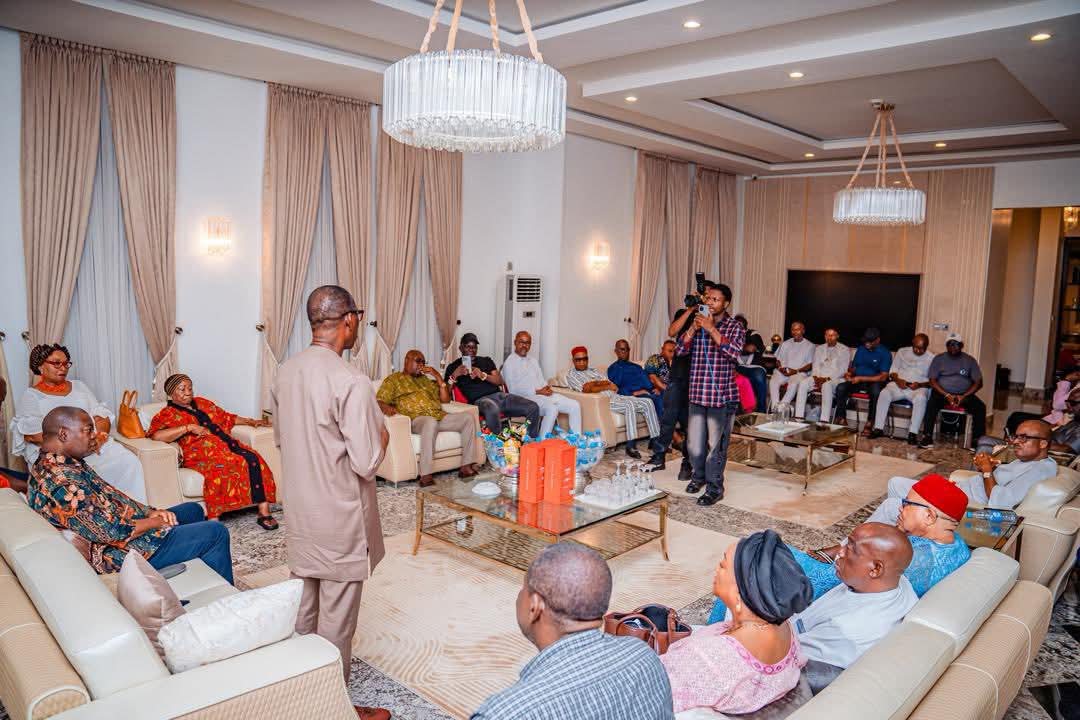
Delta North Political Battle Officially Begins as Okowa Declares for Senate, Says I've Decided to Answer The Call
Uchechi Okporie
Apr 11, 2026
“Enough Is Enough: Pope Leo Declares War a ‘Scandal to Humanity’ in Fiery Global Peace Appeal”
Uchechi Okporie
Apr 14, 2026
Benin Breaks the Mold: 49-Year-Old Romuald Wadagni Sweeps to Power in a Generational Shift
Uchechi Okporie
Latest Stories
Apr 16, 2026
Where Is the PDP:Silent Strategy or Slow Political Death
Uchechi Okporie
Apr 16, 2026
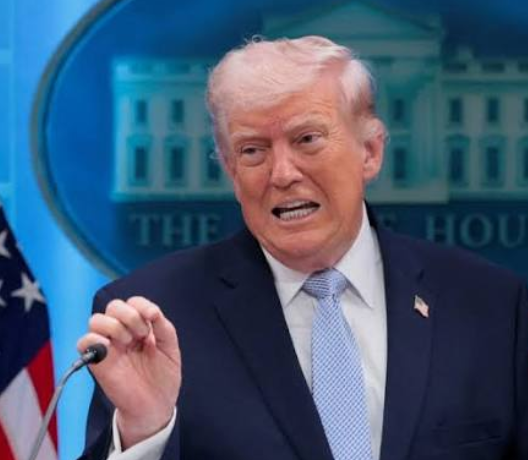
Nuclear Gamble Nears Endgame: Donald Trump Claims Iran Ready to Surrender Uranium Stockpile in High-Stakes Peace Push
Uchechi Okporie
Apr 16, 2026
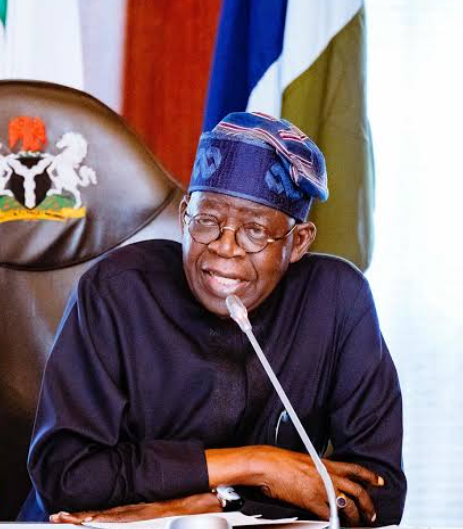
Power Struggle in Africa’s Largest Democracy: Bola Tinubu Declares ‘I Won’t Be Intimidated’ as 2027 Election Battle Takes Shape
Uchechi Okporie
Apr 16, 2026
Nigeria’s Education Under fire: Gunmen Kidnap Students in Brutal Highway Attack
Uchechi Okporie
Apr 16, 2026
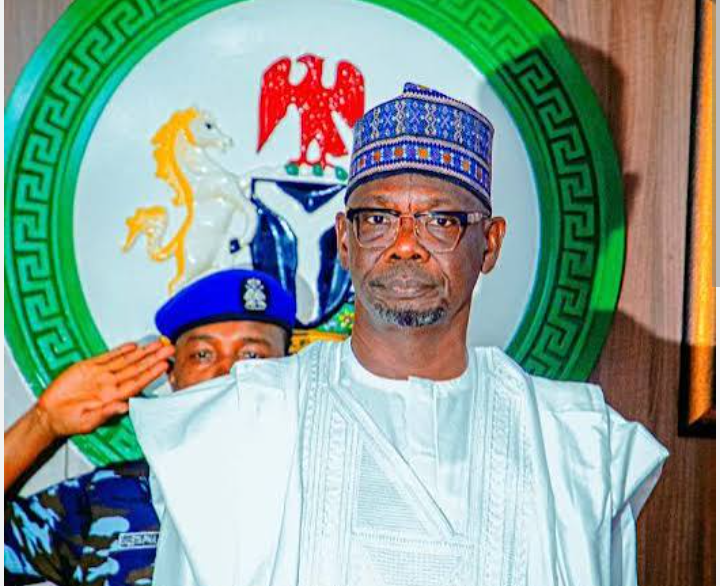
Succession Battle in Nigeria’s North Central Turns: Nasarawa Power Bloc Backs Sen. Wadada for 2027 Governorship Race
Uchechi Okporie
Apr 16, 2026
A Nation Starving and Sick: Who Is Lending Nigerians Their Death Sentence
Uchechi Okporie
Apr 16, 2026
Nigeria’s Opposition Rift Deepens as Labour Party Figure Declares Peter Obi “Politically Finished” Within Party
Uchechi Okporie
Apr 16, 2026
West Africa Signals Unity as Tinubu Congratulates Benin’s President-Elect After Overwhelming Win
Uchechi Okporie
Apr 16, 2026
Sudan Crisis Deepens, Africa Faces Growing Humanitarian Emergency
Uchechi Okporie

Apr 16, 2026
South Africa Sends Seasoned Power Broker to Washington in Strategic Diplomatic Move
Uchechi Okporie
Apr 16, 2026
“Big School, Empty Promise: Why Nigeria’s Obsession with Prestige Is Producing Unprepared Graduates”
Uchechi Okporie