President Ramaphosa Draws Red Line as Xenophobic Violence Excalates in South Africa, Nigerians, Ghanaians Prime Targets
 Admin User
Apr 27, 2026
3 min read
Admin User
Apr 27, 2026
3 min read
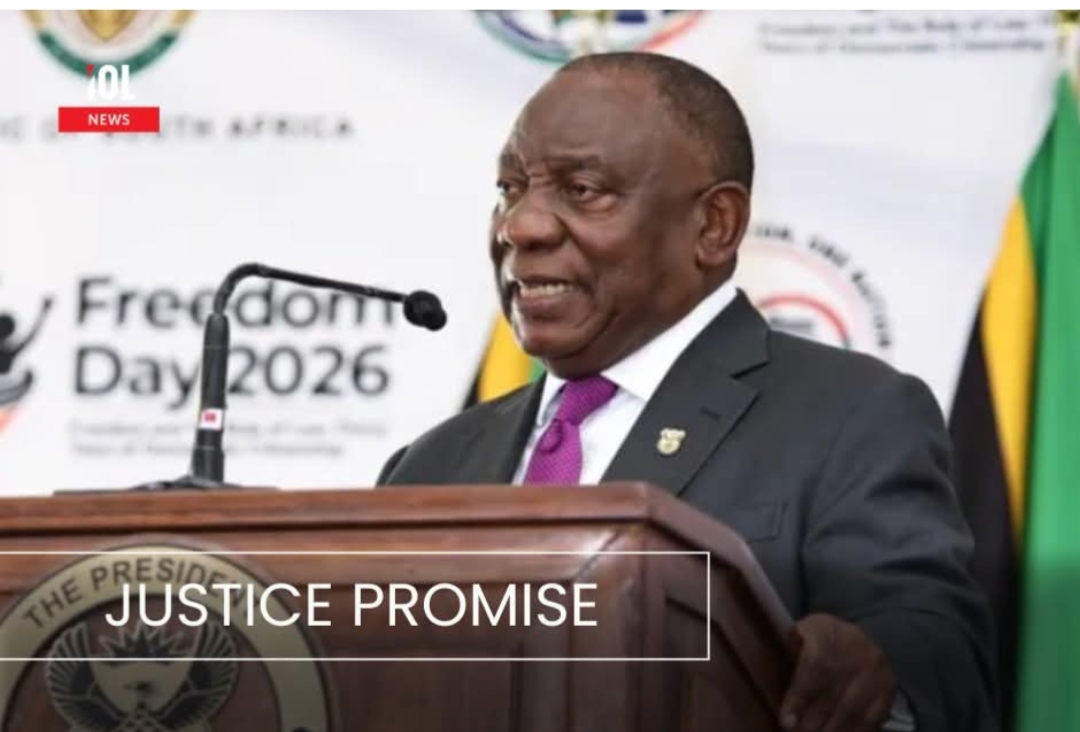
South African President Cyril Ramaphosa has delivered a forceful and carefully balanced message to the nation, warning that xenophobic violence against foreign nationals will not be tolerated under any circumstances, while also acknowledging the growing frustration among citizens over illegal migration and economic pressures.
Speaking during his keynote address at the 2026 Freedom Day celebration in Bloemfontein, Ramaphosa stressed that while concerns about undocumented migration are valid, they must never be allowed to devolve into hatred or violence against fellow Africans or any foreign community.
His tone was both cautionary and corrective, reflecting a government under pressure to respond decisively to unrest while preserving constitutional order.
“We should never allow the legitimate concerns of our communities about illegal migration to breed prejudice,” he said, emphasizing that public anxiety must not become a gateway to xenophobia.
He reiterated that South Africa’s identity and moral standing are rooted in principles of dignity, equality, and respect for all people, regardless of origin.
At the same time, Ramaphosa moved to reassure citizens that the government is not ignoring their concerns.
He outlined ongoing efforts to tighten border controls, enforce immigration laws more rigorously, and crack down on employers who exploit undocumented migrants.
He also acknowledged systemic weaknesses, including corruption within immigration structures, and pledged continued reforms to restore public confidence.
However, he drew a sharp and unequivocal distinction between lawful enforcement and vigilante action.
“We will not allow people to take the law into their own hands,” he declared, underscoring that only state institutions have the authority to enforce immigration laws.
Any acts of violence, intimidation, or unlawful retaliation against foreign nationals, he warned, would be met with firm legal consequences.
Addressing those who justify xenophobic attacks as a reaction to unemployment, crime, or strained public services, Ramaphosa rejected the argument outright.
He noted that while socio-economic challenges are real and deeply felt, they cannot serve as justification for targeting vulnerable groups.
Related Posts
President Suspends Police Chief Over Role in Alleged Diversion of $13.8m Healthcare Contract Funds
South Africa has been drawn into another high-profile governance controversy after Preside...
South Africa Sends Seasoned Power Broker to Washington in Strategic Diplomatic Move
In a calculated step to strengthen its global influence, South Africa has appointed a high...
South Africa’s Arms Exports Soar to $590 Million, Cementing Its Role Among Global Defence Leaders
South Africa’s defence industry saw a surge in exports in the past year, with shipments of...
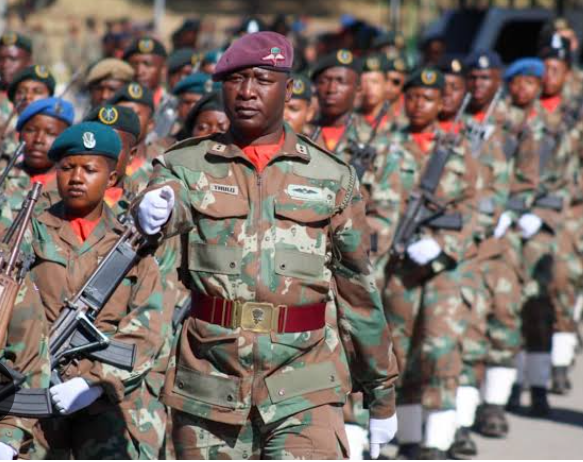
South African Military Deployed Across Provinces in Bold Move Against Surging Gang Violence
South Africa has launched a major military deployment to support overwhelmed police forces...
Instead, he called for social cohesion and responsible citizenship, urging South Africans to channel grievances through lawful and constructive means.
He also invoked the country’s liberation history, reminding citizens that South Africa’s freedom was achieved not in isolation but through the support of other African nations.
Countries across the continent, he said, provided refuge, resources, and diplomatic backing during the anti-apartheid struggle. That legacy, he argued, imposes a moral obligation on South Africa to uphold solidarity and avoid betraying the very principles that enabled its liberation.
“As a nation that benefited from international solidarity, we must not undermine the bonds that carried us to freedom,” Ramaphosa said, warning that xenophobia risks eroding South Africa’s moral authority and standing on the continent.
The significance of the venue was also notable. Bloemfontein, home to the Supreme Court of Appeal of South Africa, served as a symbolic backdrop for a speech centered on the rule of law.
This year’s commemoration marked 32 years since South Africa’s first democratic elections in 1994, under the theme “Freedom and the Rule of Law: Thirty Years of Democratic Citizenship.”
Ramaphosa’s remarks come amid a surge in anti-foreigner sentiment and violence across multiple provinces.
In recent weeks, there have been reported attacks on businesses owned by Nigerian and Ghanaian nationals, as well as the killing of two Nigerian citizens involving South African security personnel.
These incidents have heightened diplomatic tensions and drawn international scrutiny.
Authorities have also received intelligence indicating planned protests in Gauteng Province, where demonstrators intend to intensify pressure on the government over immigration issues.
The situation has raised concerns about further escalation if tensions are not effectively managed.
The fallout has extended beyond South Africa’s borders. Ghana formally summoned South Africa’s Acting High Commissioner in protest over the treatment of its citizens, while Nigeria, through its consulate in Johannesburg, issued a strong condemnation and demanded accountability for the deaths of its nationals.
Against this backdrop, Ramaphosa’s speech appears aimed at stabilizing a volatile situation—reassuring citizens that their concerns are being addressed while making it clear that xenophobia, violence, and lawlessness will not be part of the solution.
Related Posts

Uchechi Okporie
Mar 17, 2026
Nigeria Surpasses South Africa as MTN’s Leading Profit Engine Amid Telecom Growth Surge
MTN Group, one of Africa’s largest telecommunications companies, has announced that its Nigerian operations have overtaken South Africa as the company’s top profit driver, signaling a significant shift in the company’s earnings landscape.
Uchechi Okporie
Mar 09, 2026
Drama in The Capital: Embattled police Boss Gets New Date to Face Explosive Corruption Probe
South Africa’s high-profile corruption inquiry is set for another dramatic chapter after suspended metro police deputy chief Julius Mkhwanazi secured a postponement to his testimony before the Madlanga Commission, a powerful investigation examining corruption and political interference in the country’s criminal justice system.
Trending
Apr 22, 2026
Deal Sealed, Okowa Reportedly Snubbed: Nwoko, Omo-Agege, Joel-Onowakpo Positioned to Grab Delta APC Senatorial Tickets
Admin User
Apr 22, 2026
After Executive Approval, China Show, $15m Seed Fund: Where's Okowa's Kwale Industrial Park?
Admin User
Apr 21, 2026
President Tinubu Takes Shocking Decision Against Two Powerful Nigerians, and Here's What Happened
Uchechi Okporie
Apr 21, 2026
I Did My Best for Nigeria, Mistakes Don’t Erase My Service: Jonathan Fires Back at Atiku, Sparks National Political Firestorm
Uchechi Okporie
Apr 25, 2026
BREAKING AFRICA HOUSING CRISIS: Minister Vows Urgent Action as Nigeria Faces Massive Shelter Shortfall
Uchechi Okporie
Apr 23, 2026
BREAKING: Political Earthquake in Nigeria ,Tinubu Unleashes ₦17 Billion “Grassroots Power Fund” Across 8,804 Wards
Uchechi Okporie
Apr 22, 2026
BREAKING: Abia Governor Appoints Wife of His Major Political Opponent to Chair Board of Critical Institution
Uchechi Okporie
Apr 22, 2026
BREAKING: Omo-Agege Makes Bold Declaration for Delta Central Senate
Uchechi Okporie
Apr 20, 2026
Breaking News: Nigeria Opposition Party Crisis Explodes as Wike-Loyal PDP Faction Holds Emergency NEC Meeting in Abuja
Uchechi Okporie
Apr 22, 2026
DeltaNorth2027: I'll Return to The Senate, Senator Ned Nwoko Declares
Admin User
Apr 24, 2026
Two African Presidents Exchange Verbal Blows, Make Very Disturbing Comments Against Each Other
Uchechi Okporie
Latest Stories
Apr 27, 2026
BREAKING: Lagos State Named Nigeria’s Most Indebted State as Debt Hits ₦1.22 Trillion and $1.17 Billion
Uchechi Okporie
Apr 27, 2026
BREAKING NEWS: Iran Offers Ceasefire to U.S. as Global Oil Panic Threatens Africa
Uchechi Okporie

Apr 27, 2026
Starc Shock Move Looms as IPL Giants Face Off: Global Spotlight on Delhi vs Bengaluru Clash Tonight
Uchechi Okporie
Apr 27, 2026
President Ramaphosa Draws Red Line as Xenophobic Violence Excalates in South Africa, Nigerians, Ghanaians Prime Targets
Admin User
Apr 27, 2026
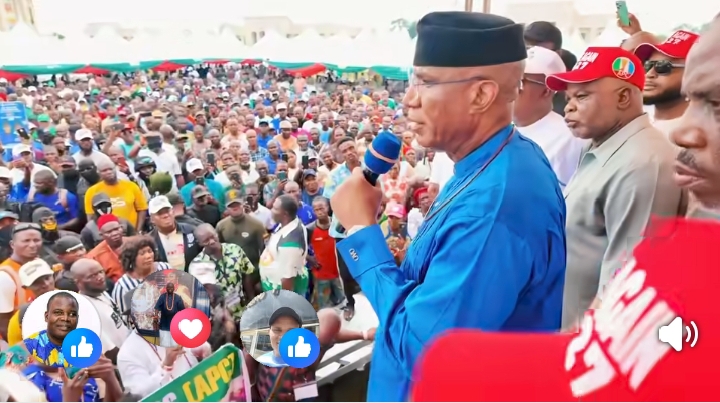
I'll Deliver Results Beyond Reach of My Opponents - Omo-Agege Says Despite Oborevwori's Backing for Dafinone
Uchechi Okporie
Apr 27, 2026
Global Experts Say Strong Protocol Systems Are Transforming Africa’s Public Services and Driving Faster Delivery
Uchechi Okporie
Apr 27, 2026
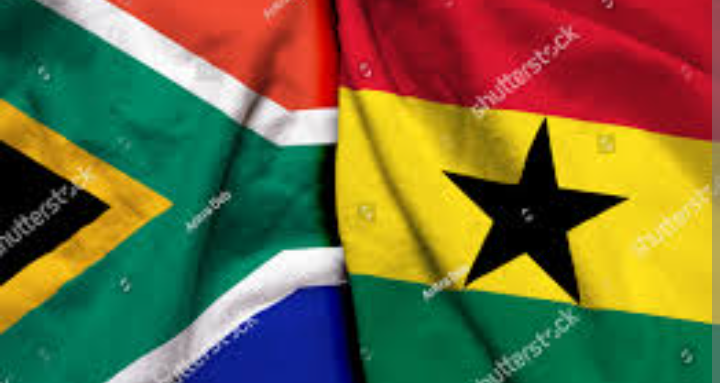
From Brothers to Burdens: Why Nigerians Are No Longer Welcome in South Africa, Ghana - The Sad Story
Uchechi Okporie
Apr 26, 2026
AFRICA DIVIDED: Osinbajo and Gospel Singer Lock Horns in Viral Faith War
Uchechi Okporie
Apr 26, 2026
BREAKING: Pastor Kumuyi Shakes India With Explosive Sermon, Declares God’s Kingdom Has No Borders
Uchechi Okporie
Apr 26, 2026
Nigeria Youths Still Sleepy While Democracy Fights Itself: Who Will Save the Country
Uchechi Okporie
Apr 26, 2026
BREAKING: Ghana Forces Storm Illegal Mining Stronghold, Destroy Excavators in Major Anti-Galamsey Crackdown
Uchechi Okporie