The United States–Iran War: A Conflict Reshaping the Middle East
 Admin User
Mar 05, 2026
3 min read
Admin User
Mar 05, 2026
3 min read
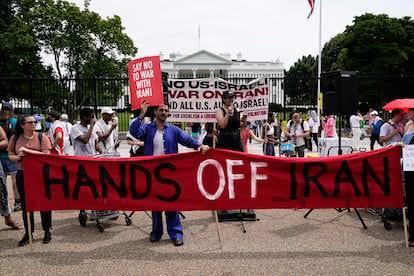
The confrontation between the United States and Iran has evolved into one of the most consequential geopolitical crises of the 21st century. What began as decades of political hostility has recently escalated into open military confrontation, shaking the Middle East, threatening global energy markets, and raising fears of a wider regional war. The current conflict, often referred to as the 2026 Iran war, represents the culmination of long-standing tensions involving nuclear ambitions, regional power struggles, and competing ideological visions.
Relations between the United States and Iran have been strained for decades. Before 1979, Iran was a close ally of Washington under the rule of the Shah. However, the Islamic Revolution of 1979 transformed Iran into an anti-Western Islamic republic that viewed U.S. influence as imperial interference. From that point onward, diplomatic relations collapsed and hostility became entrenched. Over the years, several issues deepened the divide: Iran’s nuclear program, which Western governments suspect could lead to nuclear weapons development. Regional proxy conflicts, with Iran supporting militant groups and political allies across the Middle East. Economic sanctions and military pressure imposed by the United States and its allies. These tensions periodically erupted into crises, including cyber warfare, targeted assassinations, and attacks on oil infrastructure. The Road to War The immediate trigger for the latest conflict was the collapse of diplomatic negotiations over Iran’s nuclear program. In 2025, the United States launched strikes on key Iranian nuclear facilities, including the Fordow, Natanz, and Isfahan sites, using bunker-buster bombs and cruise missiles. The attacks were intended to delay Iran’s nuclear capabilities and were supported by many U.S. allies, but they dramatically escalated tensions. The Pentagon later assessed that Iran’s nuclear progress had been pushed back by roughly two years. Despite a brief ceasefire following a short air conflict in 2025, tensions remained high. Diplomatic negotiations failed again in early 2026, setting the stage for a broader confrontation. The 2026 Escalation The conflict intensified dramatically on February 28, 2026, when the United States and Israel launched coordinated air and missile strikes across Iran in a campaign aimed at destroying military infrastructure and limiting Tehran’s strategic capabilities. The attacks reportedly killed senior Iranian leaders, including Supreme Leader Ali Khamenei, creating political turmoil within the country. Iran responded with missile and drone attacks against U.S. bases and allied states across the region, including strikes targeting military facilities in Kuwait. The conflict has since expanded beyond direct attacks, threatening shipping routes and international trade. Strategic Flashpoints 1. The Strait of Hormuz One of the most critical arenas of the conflict is the Strait of Hormuz, a narrow waterway through which roughly one-fifth of the world’s oil supply passes. Iran has threatened to block or disrupt shipping in retaliation for U.S. attacks, prompting naval deployments and increasing the risk of a global energy crisis. 2. Regional Missile Warfare Iran has used ballistic missiles and drones to target U.S. and allied installations across the Middle East, while American forces continue air and naval operations aimed at degrading Iran’s military capabilities.
3. Global Economic Impact The war has already had significant economic consequences: Oil prices surged as markets reacted to the threat of supply disruptions. Stock markets and airline industries experienced volatility. Analysts warn prolonged conflict could trigger global inflation or recession. Human and Political Consequences Beyond military and economic implications, the war has inflicted significant human costs. Airstrikes and missile attacks have resulted in civilian casualties and large-scale displacement across the region. Inside Iran, the killing of key leadership figures has created uncertainty about the country’s political future, raising the possibility of internal power struggles or regime change. Meanwhile, the international community remains divided. Some governments support U.S. actions as necessary to prevent nuclear proliferation, while others condemn them as destabilizing and illegal under international law.
Related Posts

Uchechi Okporie
Apr 16, 2026
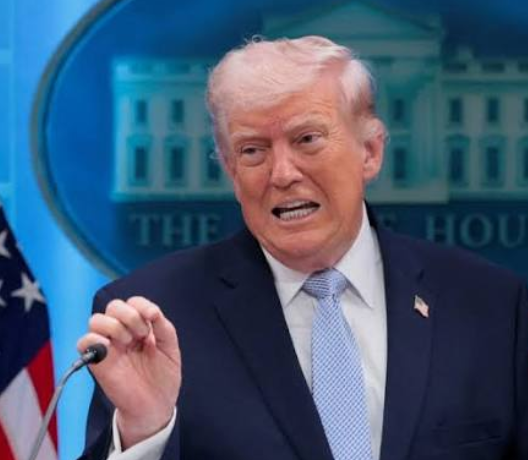
Nuclear Gamble Nears Endgame: Donald Trump Claims Iran Ready to Surrender Uranium Stockpile in High-Stakes Peace Push
In a dramatic turn in Middle East diplomacy, Donald Trump has announced that Iran has agreed to hand over its enriched uranium reserves — a move he says could bring a major conflict to a close and reshape global security dynamics.

Uchechi Okporie
Apr 16, 2026
Top Nigerian General Killed in Terrorist Strike — Funeral Exposes Worsening War in Borno
Nigeria has been thrown into mourning after a deadly terrorist ambush claimed the life of a senior army commander and several soldiers, a development that is sending fresh waves of concern across Africa and beyond.
Uchechi Okporie
Apr 10, 2026
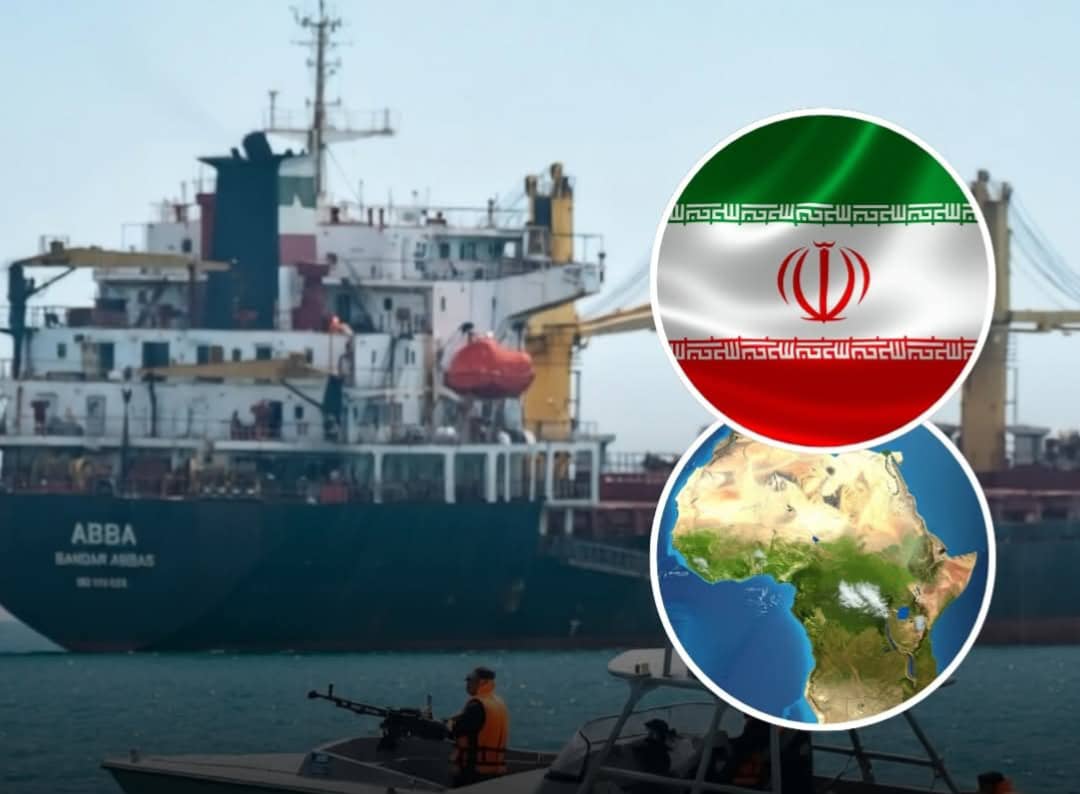
Iran Guards Block Botswana Vessels, Allow Gabon, South Africa Past Strait of Hormuz as Fragile Ceasefire Persist
Shipping activity in the strategically vital Strait of Hormuz is showing tentative signs of recovery following a fragile ceasefire between the United States and Iran, with African-linked vessels among the first to cautiously resume transit.
Uchechi Okporie
Apr 10, 2026
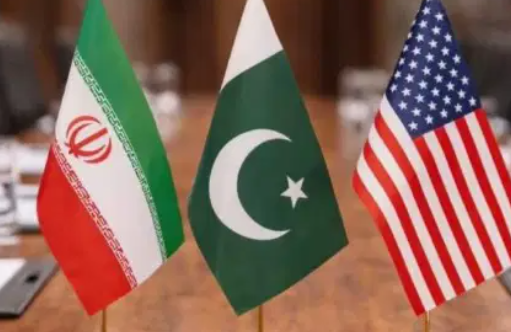
Pakistan to Host U.S.-Iran Talks as Fighting Continues in Lebanon
Pakistan is preparing to host negotiations between the United States and Iran this week, even as heavy fighting continues in Lebanon between Israel and Hezbollah.
Admin User
Apr 10, 2026
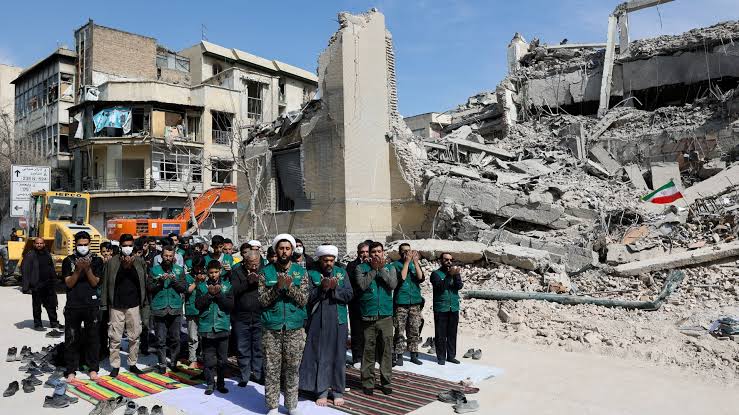
Iran Reels From Devastating War Losses as Military, Infrastructure, Economic Systems Crippled
Iran is grappling with staggering economic and military losses following a six-week war with Israel and the United States, with total damages estimated between $140 billion and $145 billion, according to multiple open-source intelligence assessments
Admin User
Apr 10, 2026
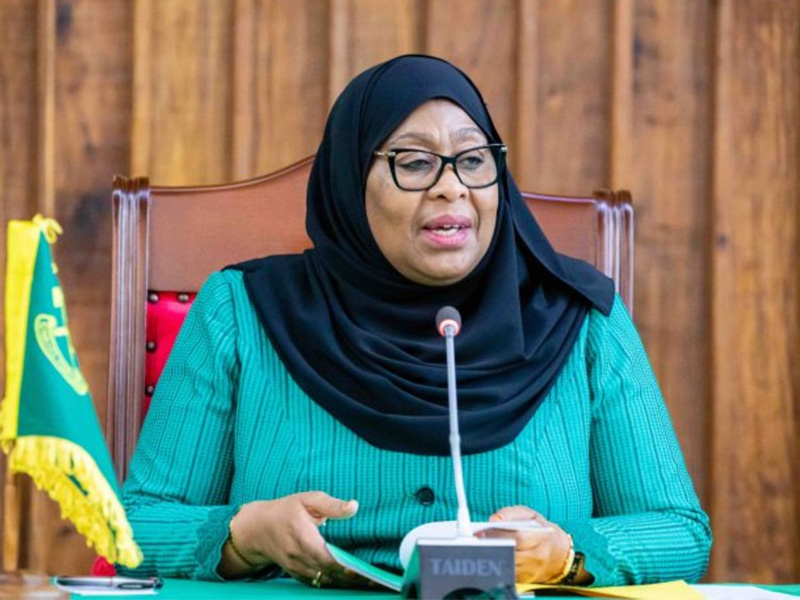
Tanzania President Enacts Sweeping Austerity Measures as Global Conflict Drives Fuel Crisis
President Samia Suluhu Hassan has unveiled a bold package of austerity measures aimed at shielding Tanzania’s economy from the ripple effects of the escalating geopolitical conflict involving the United States, Israel, and Iran.
Admin User
Apr 09, 2026
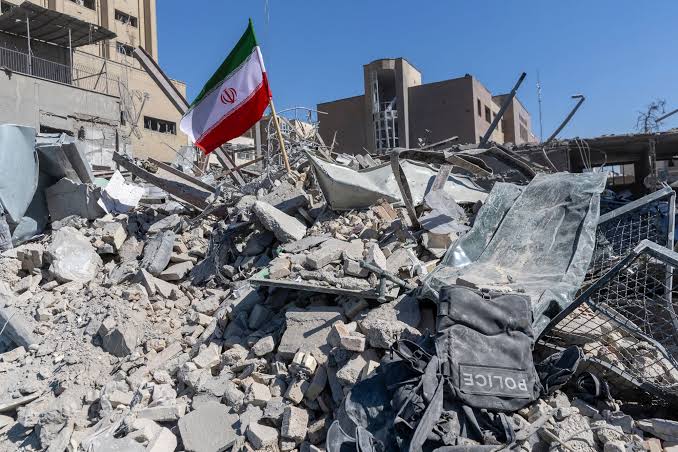
Iran Declares Ceasefire Negotiations Futile Amid Ongoing Lebanon Conflict
The government of Iran has dismissed the prospect of renewed negotiations as “strategically meaningless and futile” amid continuing attacks on Lebanon, according to a source cited by the Islamic Revolutionary Guard Corps-affiliated Fars News Agency.
Admin User
Apr 09, 2026
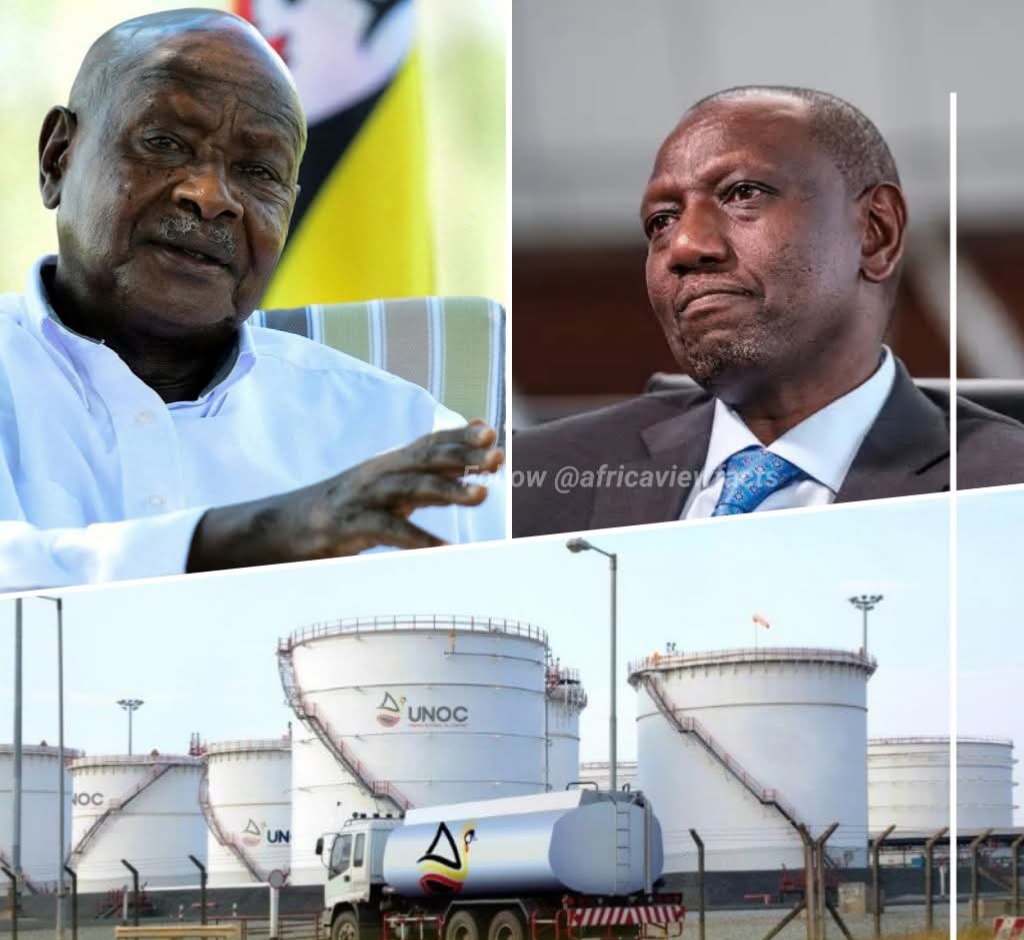
No We Can't Give You Our Fuel, Uganda Turns Down Bailout Request from Kenya
Uganda has declined a request from Kenya for a fuel bailout, citing its own domestic supply obligations and existing commitments.
Uchechi Okporie
Apr 08, 2026
Iran Rules Out Temporary Ceasefire, Sets Stringent Terms for Lasting Peace with U.S
Iran has ruled out any form of temporary ceasefire with the United States, instead outlining a set of stringent conditions for entering negotiations toward what it describes as a “lasting peace,” according to a report by Reuters citing a senior Iranian official.
Uchechi Okporie
Apr 07, 2026
Strait of Hormuz Can’t Be Held Hostage by One Nation, UAE Says, Plans to Join US for Showdown with Iran
The United Arab Emirates has signaled its readiness to back a potential U.S.-led military effort aimed at securing the vital Strait of Hormuz, amid rising geopolitical tensions with Iran.
Uchechi Okporie
Apr 07, 2026
Iran-Israel War: The Intelligence Russia Shared With Iran That Could Cripple Israel in Days Without Missiles
A quiet but consequential shift may be unfolding behind the scenes of the Middle East’s already fragile security landscape, one that extends far beyond missiles and military hardware into the realm of strategic vulnerability itself.
Uchechi Okporie
Apr 03, 2026
Trump Warns U.S. Forces Have “Not Even Started” Major Strikes in Iran, Signals Possible Escalation of Conflict
U.S. President Donald Trump said late Thursday that American forces have yet to begin fully destroying what remains of Iran’s infrastructure, suggesting that future military actions could target bridges, power plants and other critical systems.
Trending

Apr 11, 2026
BREAKING NEWS: Gunmen Kill Imo Monarch, Five Others, Burn Bodies in Deadly Ambush
Uchechi Okporie
Apr 12, 2026
BREAKING NEWS: He Gave Up Everything… What Followed Is Shaking Thousands Right Now
Uchechi Okporie
Apr 13, 2026
Tragedy in Northeast Nigeria as Airstrike Hits Civilian Market, Reportedly Kills 200 People - Reuters Reports
Uchechi Okporie
Apr 10, 2026
Togo Positions Port of Lomé as Alternative for Global Trade Amid Rising Tensions in Strait of Hormuz
Uchechi Okporie
Apr 10, 2026
Iran Guards Block Botswana Vessels, Allow Gabon, South Africa Past Strait of Hormuz as Fragile Ceasefire Persist
Uchechi Okporie
Apr 10, 2026
Ughelli Reps: Trouble for Waive as His Political Capital, Top Ranking GOs, Archbishops, Bishops, Pastors Disown Him, Move 2027 Support to Ominimini
Uchechi Okporie
Apr 15, 2026
So Sad!! Ghana President Weeps, Turns to Prayers for Nigeria's Future (Read President Mahama's Emotional Statement in Accra)
Uchechi Okporie
Apr 13, 2026
BREAKING: Israeli Prime Minister, Benjamin Netanyahu, Sentenced to 5000 Years in Prison, and here's why
Admin User
Apr 13, 2026
Delta North Political Battle Officially Begins as Okowa Declares for Senate, Says I've Decided to Answer The Call
Uchechi Okporie

Apr 11, 2026
“Enough Is Enough: Pope Leo Declares War a ‘Scandal to Humanity’ in Fiery Global Peace Appeal”
Uchechi Okporie
Apr 14, 2026
Benin Breaks the Mold: 49-Year-Old Romuald Wadagni Sweeps to Power in a Generational Shift
Uchechi Okporie
Latest Stories
Apr 16, 2026
Where Is the PDP:Silent Strategy or Slow Political Death
Uchechi Okporie
Apr 16, 2026
Nuclear Gamble Nears Endgame: Donald Trump Claims Iran Ready to Surrender Uranium Stockpile in High-Stakes Peace Push
Uchechi Okporie
Apr 16, 2026
Power Struggle in Africa’s Largest Democracy: Bola Tinubu Declares ‘I Won’t Be Intimidated’ as 2027 Election Battle Takes Shape
Uchechi Okporie
Apr 16, 2026
Nigeria’s Education Under fire: Gunmen Kidnap Students in Brutal Highway Attack
Uchechi Okporie
Apr 16, 2026
Succession Battle in Nigeria’s North Central Turns: Nasarawa Power Bloc Backs Sen. Wadada for 2027 Governorship Race
Uchechi Okporie

Apr 16, 2026
A Nation Starving and Sick: Who Is Lending Nigerians Their Death Sentence
Uchechi Okporie
Apr 16, 2026
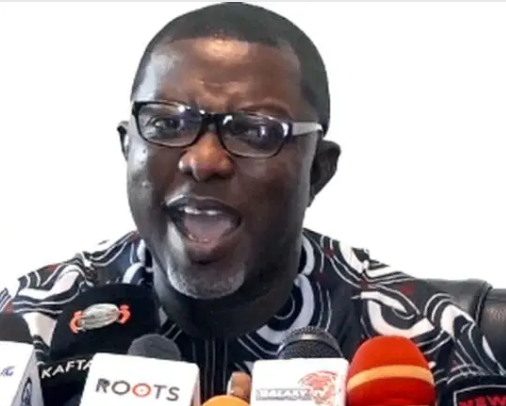
Nigeria’s Opposition Rift Deepens as Labour Party Figure Declares Peter Obi “Politically Finished” Within Party
Uchechi Okporie

Apr 16, 2026
West Africa Signals Unity as Tinubu Congratulates Benin’s President-Elect After Overwhelming Win
Uchechi Okporie
Apr 16, 2026
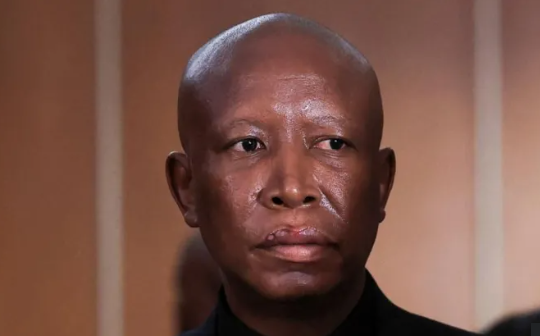
Sudan Crisis Deepens, Africa Faces Growing Humanitarian Emergency
Uchechi Okporie

Apr 16, 2026
South Africa Sends Seasoned Power Broker to Washington in Strategic Diplomatic Move
Uchechi Okporie

Apr 16, 2026
“Big School, Empty Promise: Why Nigeria’s Obsession with Prestige Is Producing Unprepared Graduates”
Uchechi Okporie