As Policy Makers Grapple With Rising Fuel Cost, Obasanjo Drops Another Bombshell (This is Disturbing)
 Uchechi Okporie
Apr 27, 2026
3 min read
Uchechi Okporie
Apr 27, 2026
3 min read
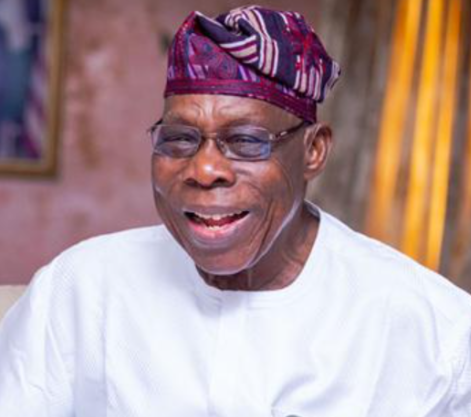
Former Nigerian President Olusegun Obasanjo has ignited fresh controversy with a stark warning about the country’s struggling oil sector, declaring that Nigeria’s state-owned refineries are unlikely to ever become operational again.
According to reports by Business Insider Africa on Facebook, Obasanjo did not mince words as he criticized successive government efforts to revive the nation’s refineries, efforts that have consumed billions of dollars over the years with little to show for it.
Obasanjo pointed directly to deep-rooted corruption and chronic mismanagement as the primary reasons behind the refineries’ continued dysfunction.
He argued that repeated rehabilitation projects have become a revolving door for public funds, rather than genuine attempts at restoring capacity.
His remarks reinforce long-standing concerns among industry analysts who have questioned why Nigeria, Africa’s largest oil producer, continues to rely heavily on imported refined petroleum products.
The former president also revealed that attempts to attract private and international investors have repeatedly hit a wall.
Despite ongoing discussions with foreign partners, including a Chinese firm, Obasanjo suggested that skepticism about transparency and governance continues to scare off serious investment.
Related Posts
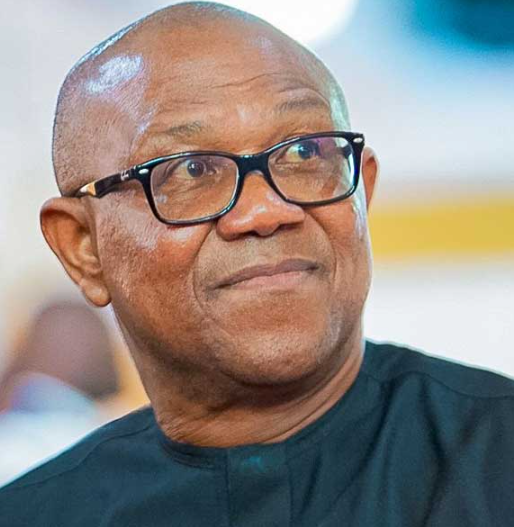
I’m Not Desperate for Power: Peter Obi Throws Down a Challenge to Africa’s Broken Democracies
At a time when politics across Africa is often seen as a battlefield for personal ambition...
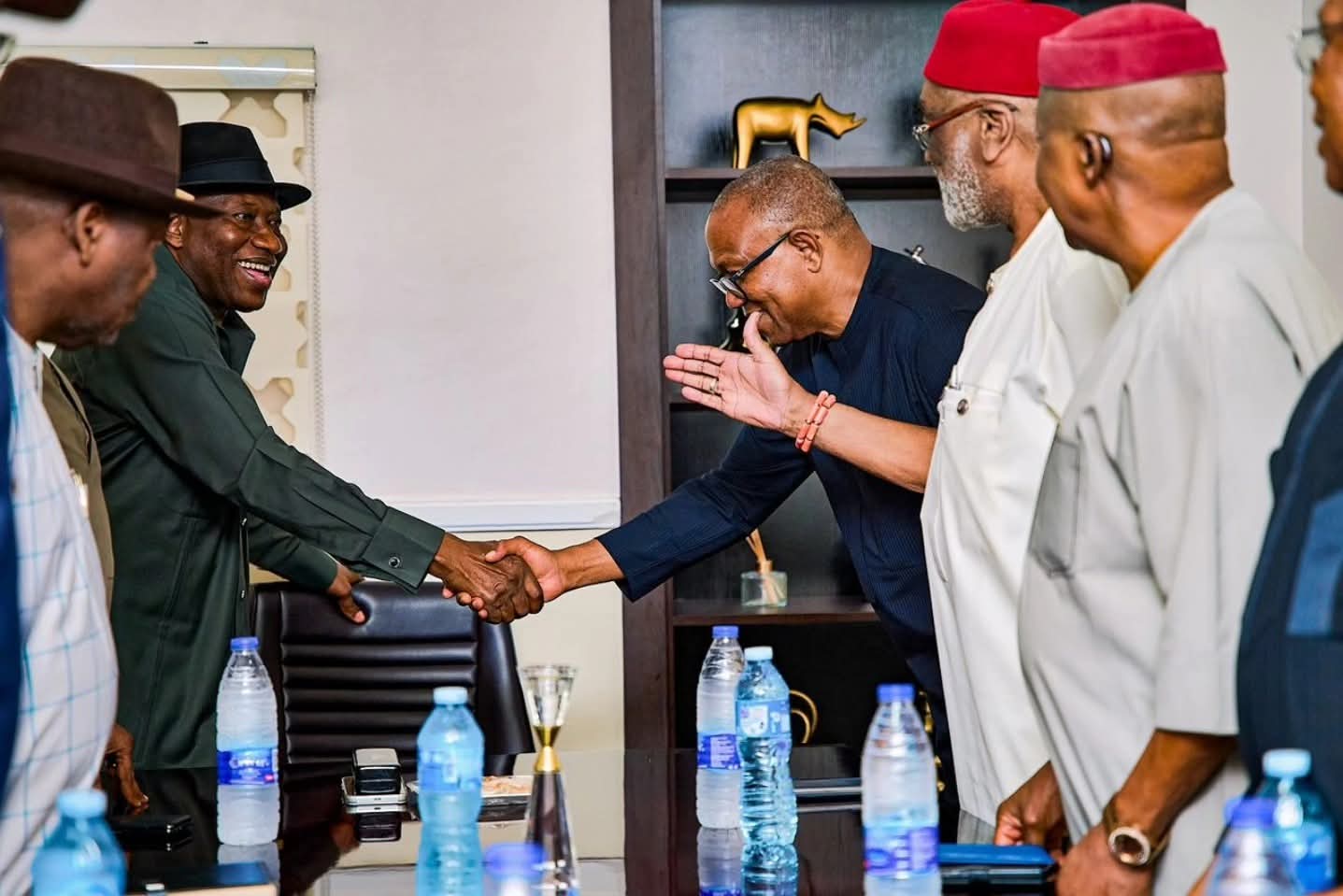
What We Discussed in Our Meeting With Jonathan - Obi Reveals in Explosive Statement
Former Anambra State Governor and Labour Party presidential candidate, Peter Obi, on Monda...
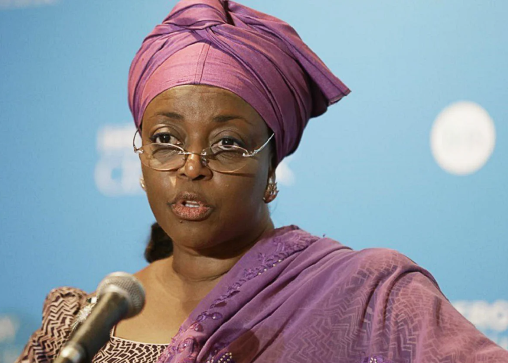
Niger Delta Women Rally for Diezani as UK Court Battle Sparks Fresh Nigeria Corruption Debate
A coalition of Ijaw women in Nigeria’s oil-rich Niger Delta has publicly defended former P...
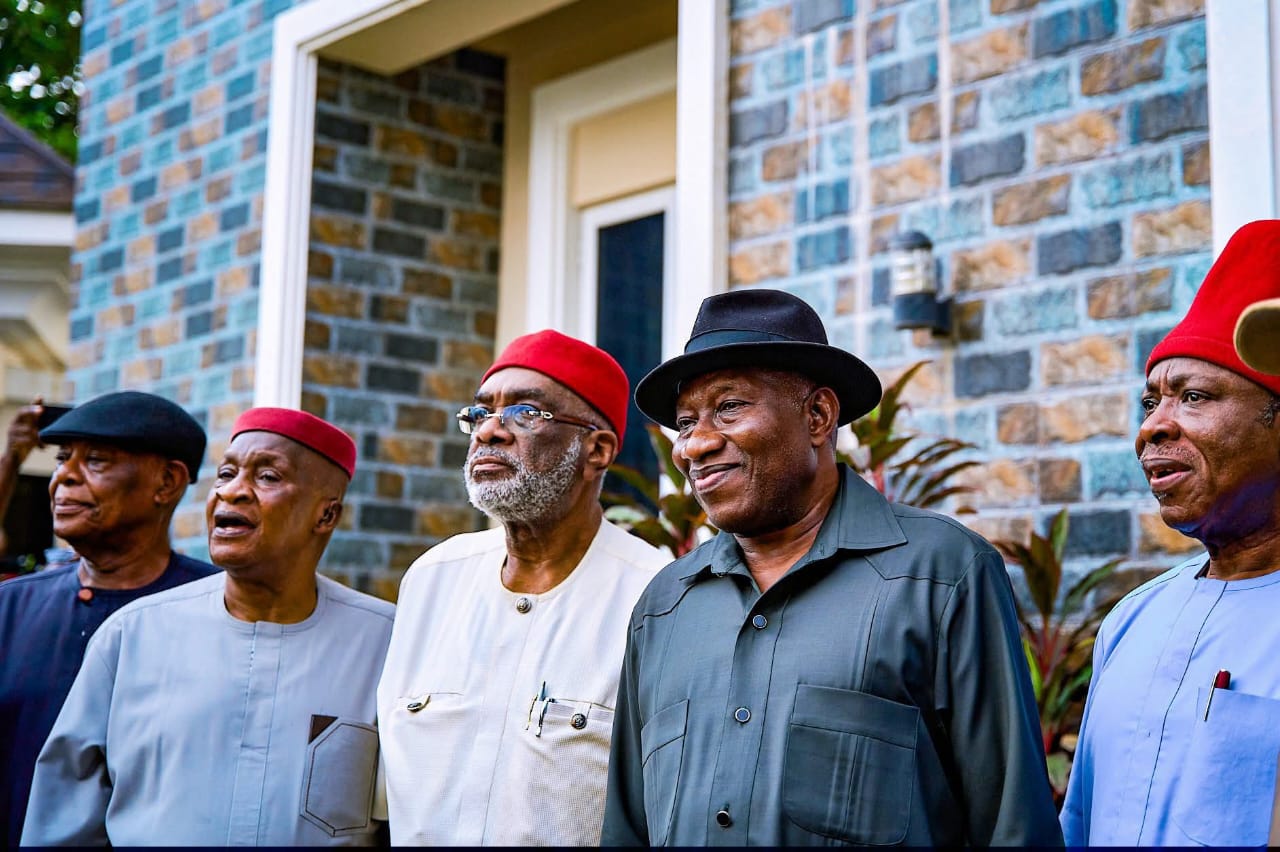
Jonathan, Obi, Igbo Leaders Hold Closed-Door Talks on 2027 Presidency
Former President Goodluck Jonathan on Monday met behind closed doors with former Anambra S...
Perhaps most striking was his claim that major global oil companies, including Shell, declined opportunities to manage Nigeria’s refineries.
According to Obasanjo, their refusal was based on three key issues: the facilities’ limited scale, poor maintenance history, and a system riddled with corruption.
A Grim Outlook for Energy Independence Obasanjo’s comments cast a long shadow over Nigeria’s ambition for energy self-sufficiency.
With state refineries in Port Harcourt, Warri, and Kaduna remaining largely dormant, the country continues to depend on costly fuel imports, despite its vast crude oil reserves.
His blunt assessment is likely to intensify public debate over whether Nigeria should abandon state-run refining altogether and fully embrace private-sector solutions.
As policymakers grapple with rising fuel costs and economic pressure, Obasanjo’s warning lands like a political thunderclap, raising a critical question: is it finally time for Nigeria to cut its losses and rethink its entire refining strategy?
Related Posts


Admin User
Apr 27, 2026
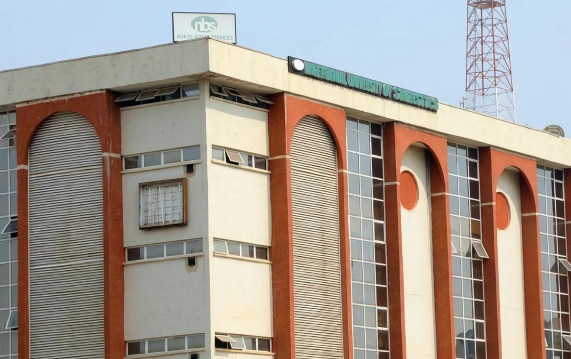
Senator Natasha Declares for 2027 Kogi Central Senatorial Race, Says Her Endorsement Overwhelming
Senator Natasha Akpoti-Uduaghan has formally signaled her intention to seek re-election in the 2027 senatorial race, following what she described as “overwhelming endorsements” from constituents across Kogi Central.
Uchechi Okporie
Apr 27, 2026
BREAKING: Lagos State Named Nigeria’s Most Indebted State as Debt Hits ₦1.22 Trillion and $1.17 Billion
Lagos State has emerged as the most indebted state in Nigeria, with total domestic and external debt now standing at over ₦1.22 trillion and $1.17 billion, according to new financial data reported by The Guardian Nigeria.
Uchechi Okporie
Apr 27, 2026
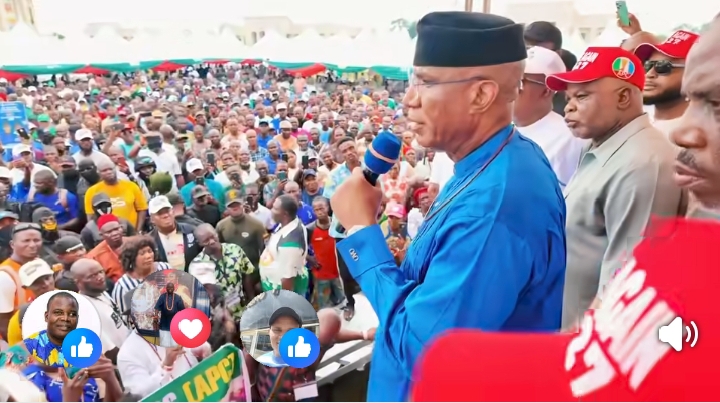
I'll Deliver Results Beyond Reach of My Opponents - Omo-Agege Says Despite Oborevwori's Backing for Dafinone
Despite Governor Sheriff Oborevwori’s reported backing of Senator Ede Dafinone for the Delta Central senatorial seat, former Deputy Senate President Ovie Omo-Agege has delivered a firm and focused statement outlining his priorities as he seeks a return to the Senate.
Uchechi Okporie
Apr 27, 2026
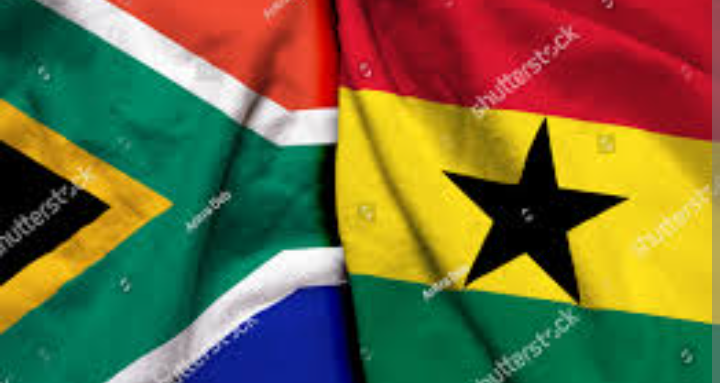
From Brothers to Burdens: Why Nigerians Are No Longer Welcome in South Africa, Ghana - The Sad Story
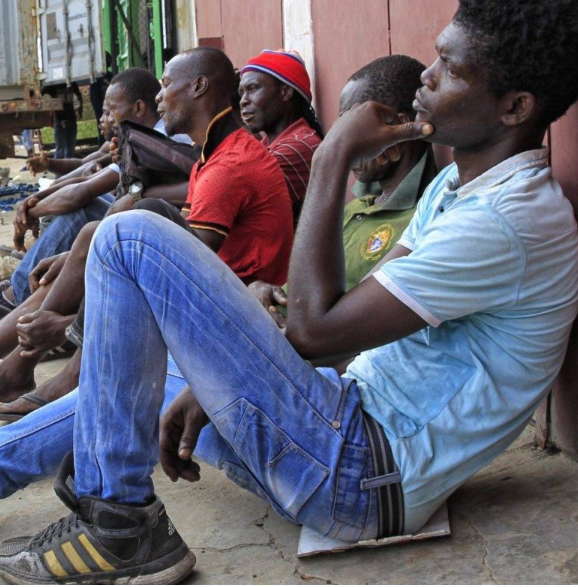
Across parts of Africa, a troubling pattern has emerged: periodic waves of hostility directed at Nigerians living and working in other African countries. In South Africa, it has manifested in violent xenophobic attacks; in Ghana, tensions have surfaced through business closures and regulatory crackdowns. The rhetoric is familiar—“they should go back home.” But beneath that language lies a far more complex and uncomfortable reality than simple dislike of a nationality. This moment is not just about Nigerians; it is about economics, identity, governance failure, and the unfinished project of African unity.
Uchechi Okporie
Apr 26, 2026
Nigeria Youths Still Sleepy While Democracy Fights Itself: Who Will Save the Country
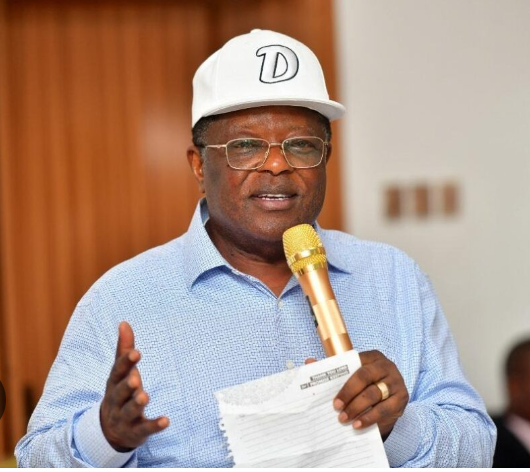
Nigeria today is at a serious turning point. The country’s democracy is struggling, not because there are no people, but because the system is constantly fighting itself.
Uchechi Okporie
Apr 25, 2026
David Umahi: The Quiet Architect of Nigeria’s Infrastructure Renaissance, By Next Africa Daily
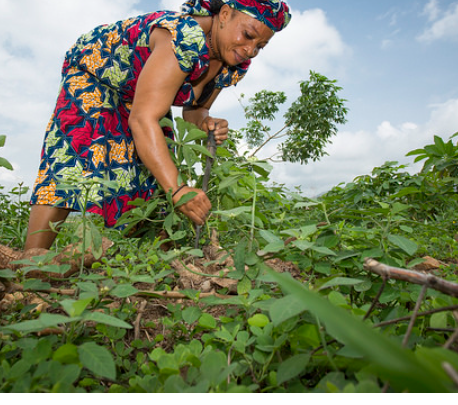
In a political climate often dominated by rhetoric and short-term optics, true performance reveals itself through tangible results, projects people can see, use, and measure in their daily lives.
Uchechi Okporie
Apr 24, 2026
Nigerian States Back Agricultural Insurance Drive as ₦396 Million Reaches Small Farmers in Food Security Push
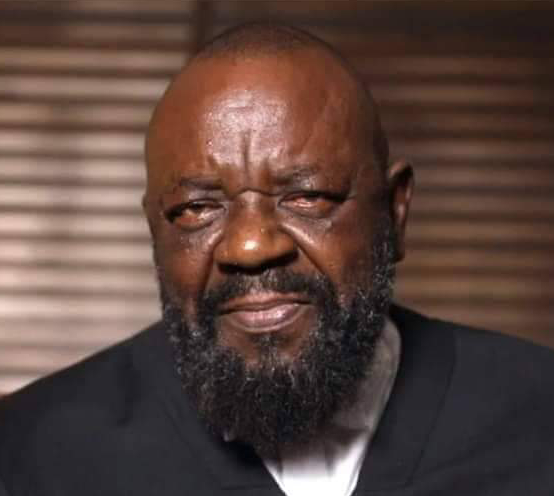
Nigerian States Back Agricultural Insurance Drive as ₦396 Million Reaches Small Farmers in Food Security Push
Uchechi Okporie
Apr 24, 2026
BREAKING: 2027 Election Threat Rocks Nigeria as Kanu Detention Sparks Explosive Warning to Tinubu
Nigeria’s political atmosphere has been shaken after Aloy Ejimakor, lawyer to detained IPOB leader Nnamdi Kanu, issued a strong warning that President Bola Tinubu and South-East politicians may suffer major political consequences in the 2027 general elections if Kanu is not released.
Trending
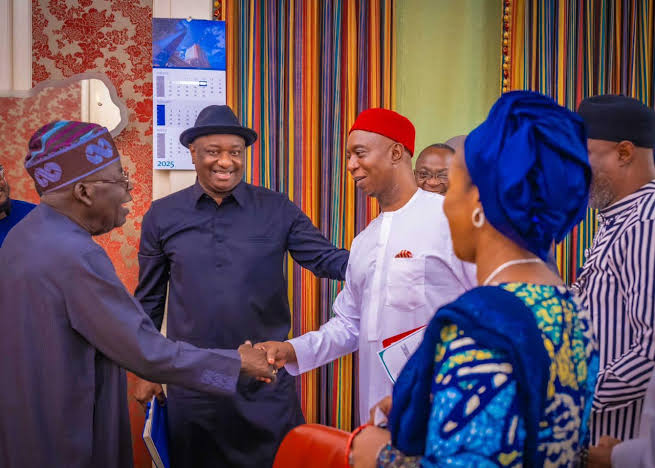
Apr 22, 2026
Deal Sealed, Okowa Reportedly Snubbed: Nwoko, Omo-Agege, Joel-Onowakpo Positioned to Grab Delta APC Senatorial Tickets
Admin User
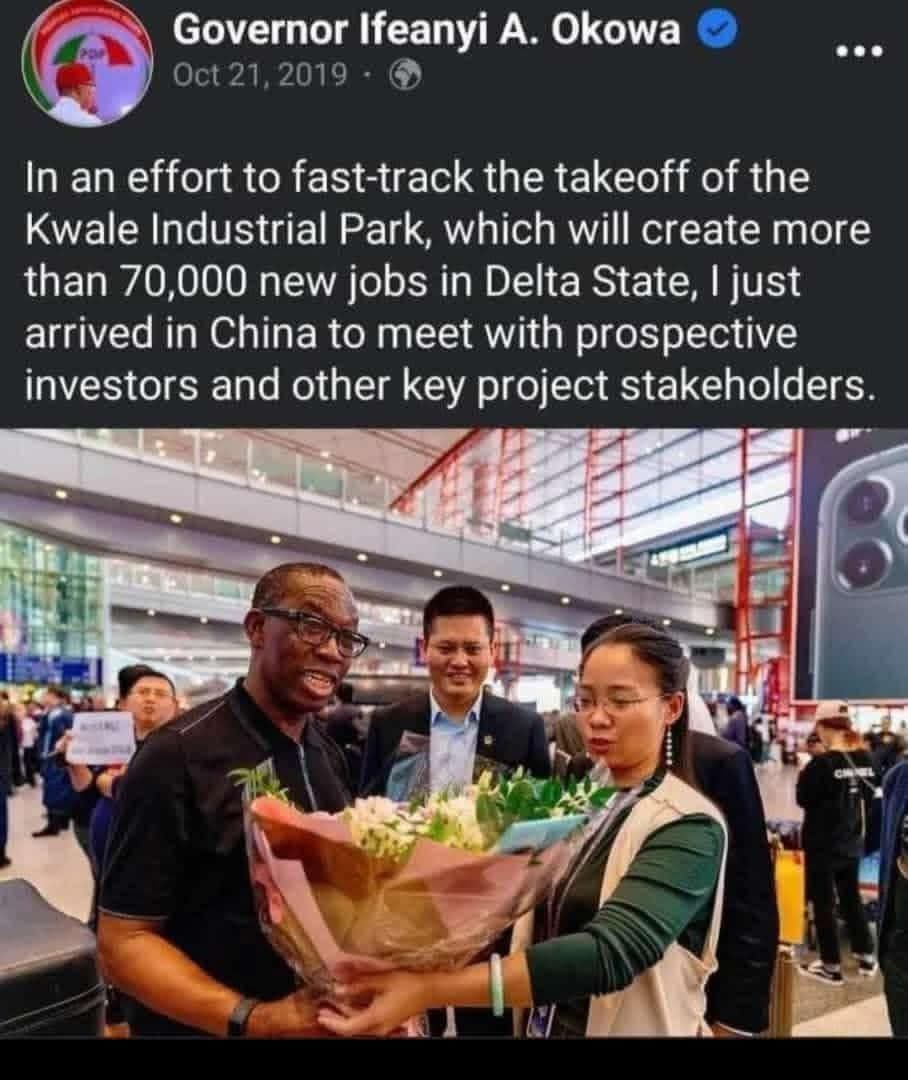
Apr 22, 2026
After Executive Approval, China Show, $15m Seed Fund: Where's Okowa's Kwale Industrial Park?
Admin User
Apr 21, 2026
President Tinubu Takes Shocking Decision Against Two Powerful Nigerians, and Here's What Happened
Uchechi Okporie
Apr 21, 2026
I Did My Best for Nigeria, Mistakes Don’t Erase My Service: Jonathan Fires Back at Atiku, Sparks National Political Firestorm
Uchechi Okporie
Apr 25, 2026
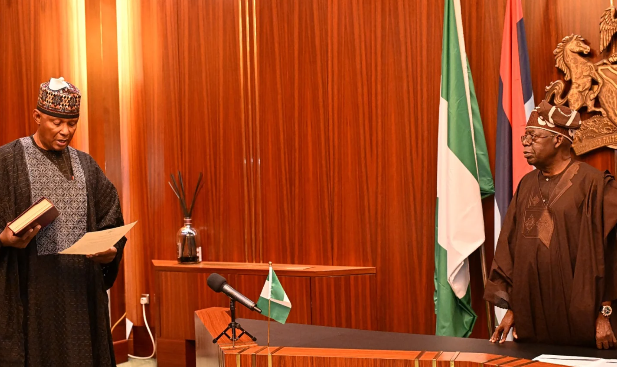
BREAKING AFRICA HOUSING CRISIS: Minister Vows Urgent Action as Nigeria Faces Massive Shelter Shortfall
Uchechi Okporie
Apr 23, 2026
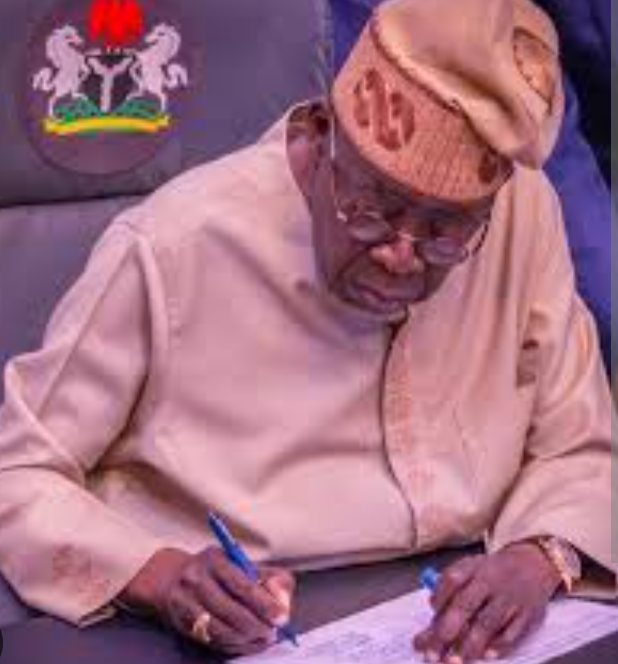
BREAKING: Political Earthquake in Nigeria ,Tinubu Unleashes ₦17 Billion “Grassroots Power Fund” Across 8,804 Wards
Uchechi Okporie
Apr 22, 2026
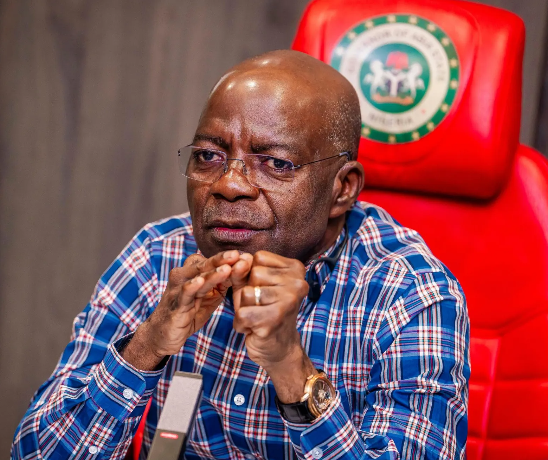
BREAKING: Abia Governor Appoints Wife of His Major Political Opponent to Chair Board of Critical Institution
Uchechi Okporie
Apr 22, 2026
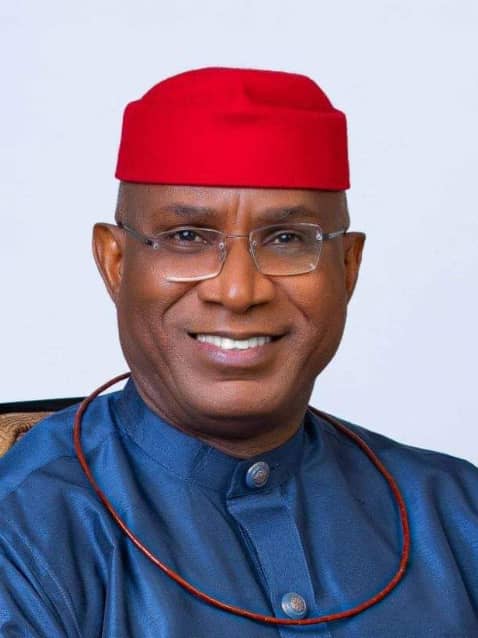
BREAKING: Omo-Agege Makes Bold Declaration for Delta Central Senate
Uchechi Okporie
Apr 22, 2026
DeltaNorth2027: I'll Return to The Senate, Senator Ned Nwoko Declares
Admin User
Apr 24, 2026
Two African Presidents Exchange Verbal Blows, Make Very Disturbing Comments Against Each Other
Uchechi Okporie
Apr 25, 2026
Africa Political Shockwave: Atiku, Obi, Amaechi Gather in Ibadan as Nigeria’s Opposition Forces Signal Major 2027 Battle
Uchechi Okporie
Latest Stories
Apr 27, 2026
I’m Not Desperate for Power: Peter Obi Throws Down a Challenge to Africa’s Broken Democracies
Uchechi Okporie
Apr 27, 2026
As Policy Makers Grapple With Rising Fuel Cost, Obasanjo Drops Another Bombshell (This is Disturbing)
Uchechi Okporie
Apr 27, 2026
What We Discussed in Our Meeting With Jonathan - Obi Reveals in Explosive Statement
Uchechi Okporie
Apr 27, 2026
Niger Delta Women Rally for Diezani as UK Court Battle Sparks Fresh Nigeria Corruption Debate
Uchechi Okporie
Apr 27, 2026
Jonathan, Obi, Igbo Leaders Hold Closed-Door Talks on 2027 Presidency
Uchechi Okporie
Apr 27, 2026
Senator Natasha Declares for 2027 Kogi Central Senatorial Race, Says Her Endorsement Overwhelming
Admin User
Apr 27, 2026
RUSSIA FORCED OUT OF MALI WAR ZONE AS REBELS SEIZE STRATEGIC CITY — SAHEL ON THE EDGE OF FULL BLOWN CHAOS
Uchechi Okporie
Apr 27, 2026
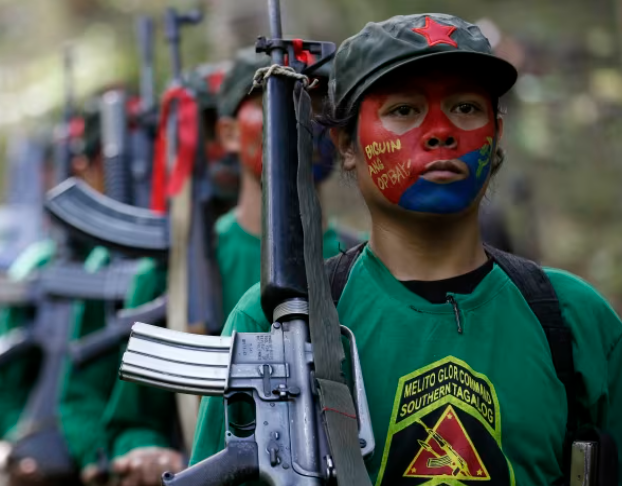
BREAKING: Two Americans Killed in Philippines Rebel Bloodshed as Asia’s Longest Insurgency Explodes Again
Uchechi Okporie
Apr 27, 2026
BREAKING: Lagos State Named Nigeria’s Most Indebted State as Debt Hits ₦1.22 Trillion and $1.17 Billion
Uchechi Okporie
Apr 27, 2026
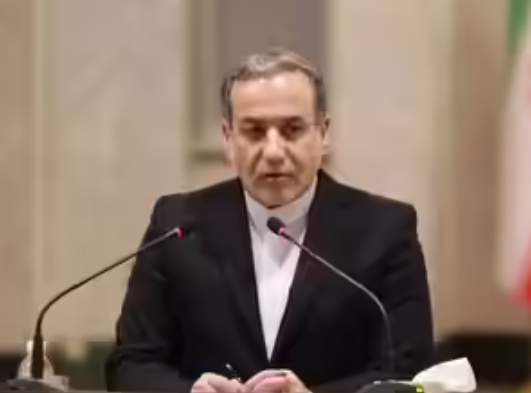
BREAKING NEWS: Iran Offers Ceasefire to U.S. as Global Oil Panic Threatens Africa
Uchechi Okporie

Apr 27, 2026
Starc Shock Move Looms as IPL Giants Face Off: Global Spotlight on Delhi vs Bengaluru Clash Tonight
Uchechi Okporie