Corruption, Transparency, and the Cost of Weak Institutions in Africa
 Uchechi Okporie
Apr 23, 2026
3 min read
Uchechi Okporie
Apr 23, 2026
3 min read
There is a comforting lie often told about Africa’s development struggle: that corruption is the disease. It isn’t a disease. Corruption is a symptom, highly visible and deeply damaging, but ultimately a function of something more fundamental: weak institutions.
Until that distinction is confronted honestly, reforms will remain cosmetic, outrage will remain cyclical, and progress will remain fragile. Public discourse across many African countries treats corruption as a moral failure of individuals, greedy politicians, compromised civil servants and unethical business elites. This framing is emotionally satisfying because it provides villains, but it is also dangerously incomplete.
Corruption thrives not primarily because individuals lack virtue, but because systems lack constraints. Where institutions are strong, even flawed individuals behave predictably because the cost of misconduct is high and enforcement is consistent. Where institutions are weak, even well-intentioned actors are pulled into environments that reward opacity, patronage, and rule-bending. In such systems, integrity becomes economically irrational. The uncomfortable truth is that anti-corruption campaigns that focus only on “bad people” without restructuring “bad systems” are destined to fail.
Weak institutions reveal themselves through selective enforcement of laws, where justice becomes negotiable; through a lack of transparency in public processes, where budgeting, procurement, and public spending operate in opacity; and through weak accountability mechanisms, where oversight bodies exist on paper but lack independence, funding, or political backing.
This combination does not merely allow corruption, it normalizes corruption. In such an environment, corruption is not an aberration; it is a rational strategy.
The cost is often reduced to stolen public funds, but that is the most superficial layer of damage. The deeper and more destructive costs distort entire economies. Markets become inefficient because contracts are awarded based on connections rather than competence, killing competition and entrenching mediocrity.
Investors are not primarily deterred by taxation; they are deterred by unpredictability, and weak institutions make risk impossible to quantify. Public trust erodes as citizens disengage from systems they perceive as rigged, weakening democratic participation and increasing the likelihood of instability.
Governments themselves become trapped in cycles of patronage, focusing more on maintaining networks of loyalty than on delivering public goods. In economic terms, corruption becomes a compounding tax on productivity; in social terms, it normalizes cynicism.
Transparency is often discussed as a moral ideal, but it should be treated as economic infrastructure. When public financial data is accessible, procurement processes are digitized, and decision-making is documented, corruption does not disappear, but it becomes harder, riskier, and less scalable. Yet transparency reforms frequently fail because they are implemented performatively rather than structurally.
Related Posts
Washington Unveils New Africa Counterterror Strategy as Security Threats Reshape US-Africa Agenda
The United States is placing Africa’s growing terrorism crisis at the center of its diplom...
Uganda’s Growth Gamble: Heavy Spending Fuels Boom as Debt Fears Rise Across East Africa
Uganda’s economy is under fresh international spotlight after reports revealed the governm...
Ghana Court Limits Special Prosecutor’s Powers, Case Heads to Supreme Court
A High Court in Accra has ruled that Ghana’s anti-corruption agency, the Office of the Spe...

Nigeria’s Education Under fire: Gunmen Kidnap Students in Brutal Highway Attack
Nigeria’s deepening security crisis has struck at the heart of its future, as armed attack...
Data is published but not usable, systems are digitized but still overridden manually, and oversight agencies exist but lack the authority to enforce compliance. Transparency without enforcement is not reform; it is theater. The deeper challenge lies in political economy. Weak institutions persist not because leaders fail to understand their importance, but because strong institutions threaten entrenched power structures.
Robust institutions redistribute power, from individuals to systems, from discretion to rules, and from networks to norms. For political elites who benefit from ambiguity, reform is not merely a technical adjustment; it is a direct political risk. This is why many anti-corruption drives begin with intensity and fade with convenience.
Sustained institutional reform requires leaders willing to constrain their own future power, a condition that is rare in Africa practice.
Another uncomfortable reality is that corruption ecosystems are rarely sustained by leadership alone. They are reinforced by a network of incentives that implicate businesses and citizens as well. Businesses offer bribes to bypass regulatory friction, citizens pay unofficial fees to accelerate services, and voters sometimes reward patronage over performance. This does not create moral equivalence, but it does expose systemic entanglement.
Weak institutions shape behavior at every level, making corruption less an individual choice and more a predictable outcome of flawed systems. Evidence from various contexts suggests that meaningful progress does not come from rhetorical campaigns but from structural change: automation of government services to reduce human discretion, independent judicial systems with real enforcement capacity, transparent procurement systems with open and verifiable data, protection for whistleblowers and investigative journalism, and merit-based civil service reforms that weaken patronage networks.
These interventions are neither quick nor politically convenient. They are slow, contested, and often resisted, but they are the only mechanisms capable of altering incentives at scale.
Africa’s demographic trajectory, young, rapidly growing, and increasingly urban, means that the cost of weak institutions will not remain static; it will compound. Without institutional strength, job creation will continue to lag behind population growth, social unrest risks will increase, and economic potential will remain under-realized.
The continent does not lack talent, resources, or ambition; it lacks systems capable of consistently translating those assets into outcomes. Corruption is easy to condemn because it is visible and emotive. Weak institutions are harder to confront because they are structural and implicate everyone, leaders, systems, and sometimes citizens themselves.
Real progress will begin when the conversation shifts from outrage to architecture, from asking who is corrupt to examining what structures make corruption profitable. Until that shift happens, anti-corruption efforts will remain what they often are today, loud, visible, but largely ineffective.
Related Posts
Uchechi Okporie
Apr 16, 2026
West Africa Signals Unity as Tinubu Congratulates Benin’s President-Elect After Overwhelming Win
Nigeria’s President, Bola Ahmed Tinubu, has extended warm congratulations to Romuald Wadagni following his decisive victory in Benin Republic’s presidential election, a result seen as a major moment for political continuity in West Africa.
Uchechi Okporie
Apr 16, 2026
Sudan Crisis Deepens, Africa Faces Growing Humanitarian Emergency
The conflict in Sudan continues to worsen, creating a major humanitarian crisis with serious implications for Africa.
Uchechi Okporie
Apr 16, 2026
BREAKING: Ghana Plunged Into Darkness as Gas Plant Collapse Triggers Nationwide Power Shock
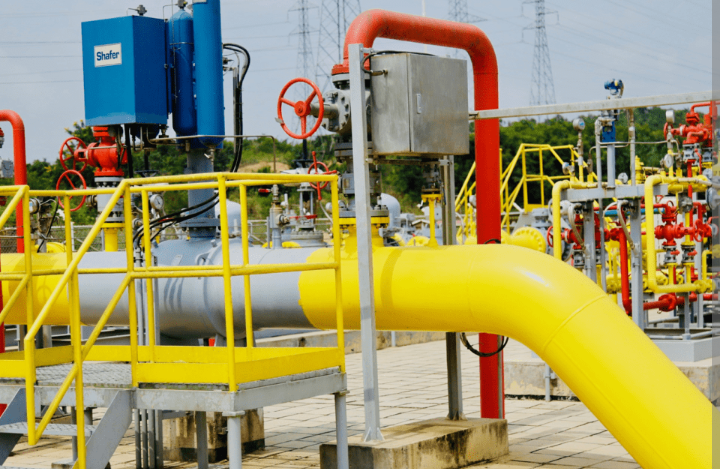
A major energy disruption has hit Ghana after the state-owned Ghana National Gas Company abruptly shut down its gas processing plant due to a critical system failure, sparking widespread electricity outages across the country.
Uchechi Okporie
Apr 15, 2026
So Sad!! Ghana President Weeps, Turns to Prayers for Nigeria's Future (Read President Mahama's Emotional Statement in Accra)
At a high-profile gathering in West Africa, John Dramani Mahama, President of Ghana, delivered a candid and strategic message about the future of the region, one that hinges significantly on the stability of Nigeria.
Uchechi Okporie
Apr 14, 2026
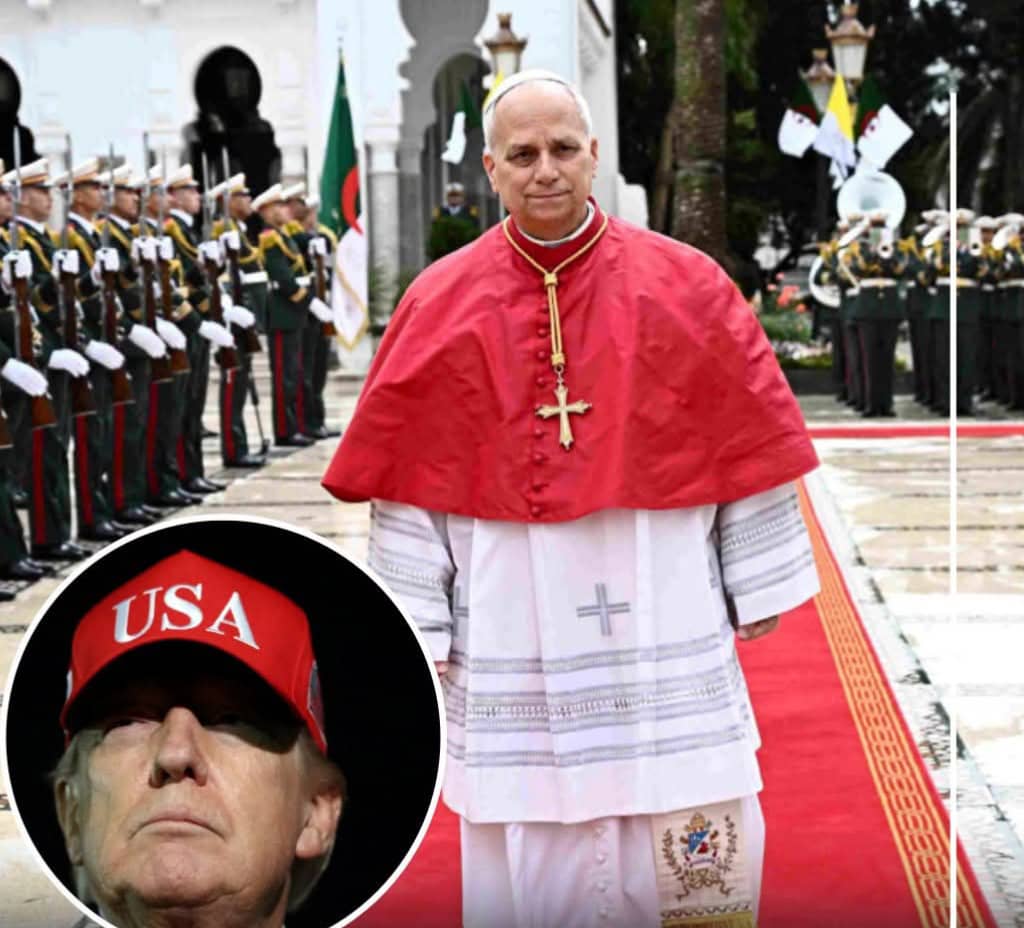
Pope Leo XIV Begins Historic Visit to Africa, Calls for Peace, Global Responsibility (Check the first country he visited)
Pope Leo XIV has arrived in Algeria, marking the first papal visit to the North African nation, in a trip already drawing global attention for its strong message on peace and international conduct.

Admin User
Apr 09, 2026
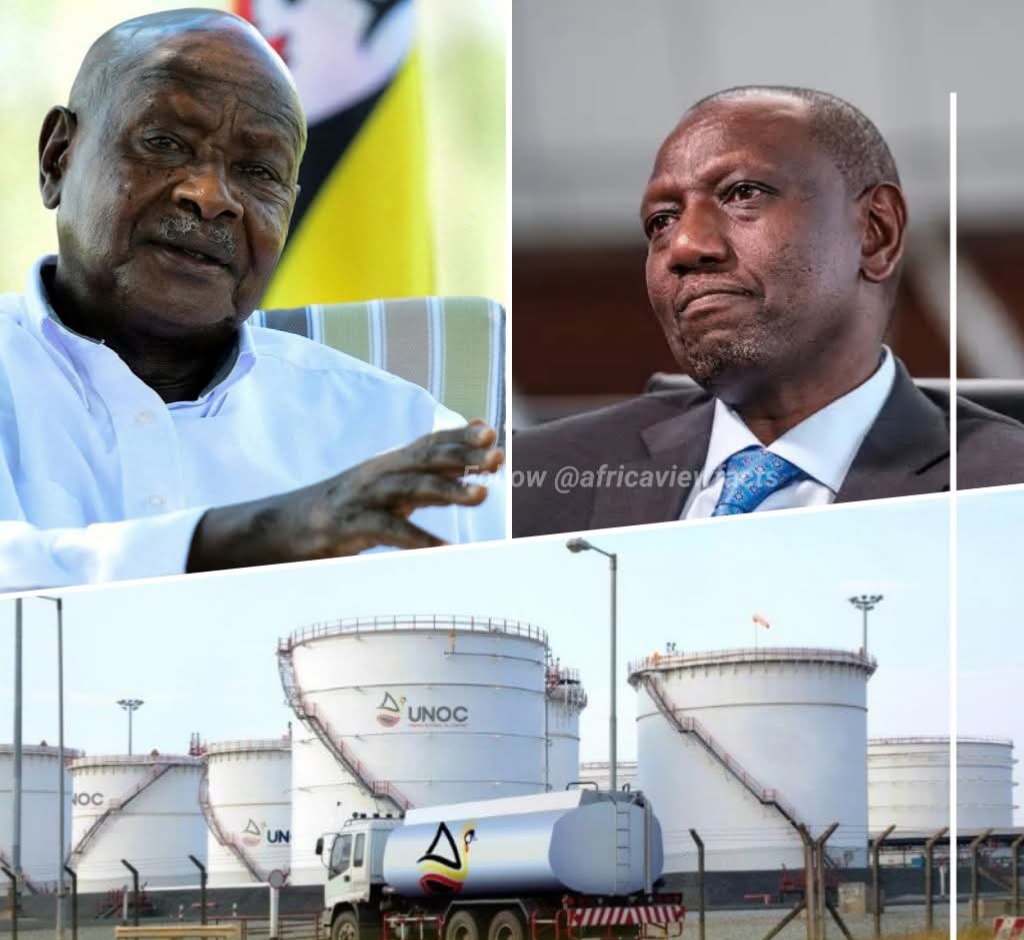
No We Can't Give You Our Fuel, Uganda Turns Down Bailout Request from Kenya
Uganda has declined a request from Kenya for a fuel bailout, citing its own domestic supply obligations and existing commitments.
Admin User
Apr 09, 2026
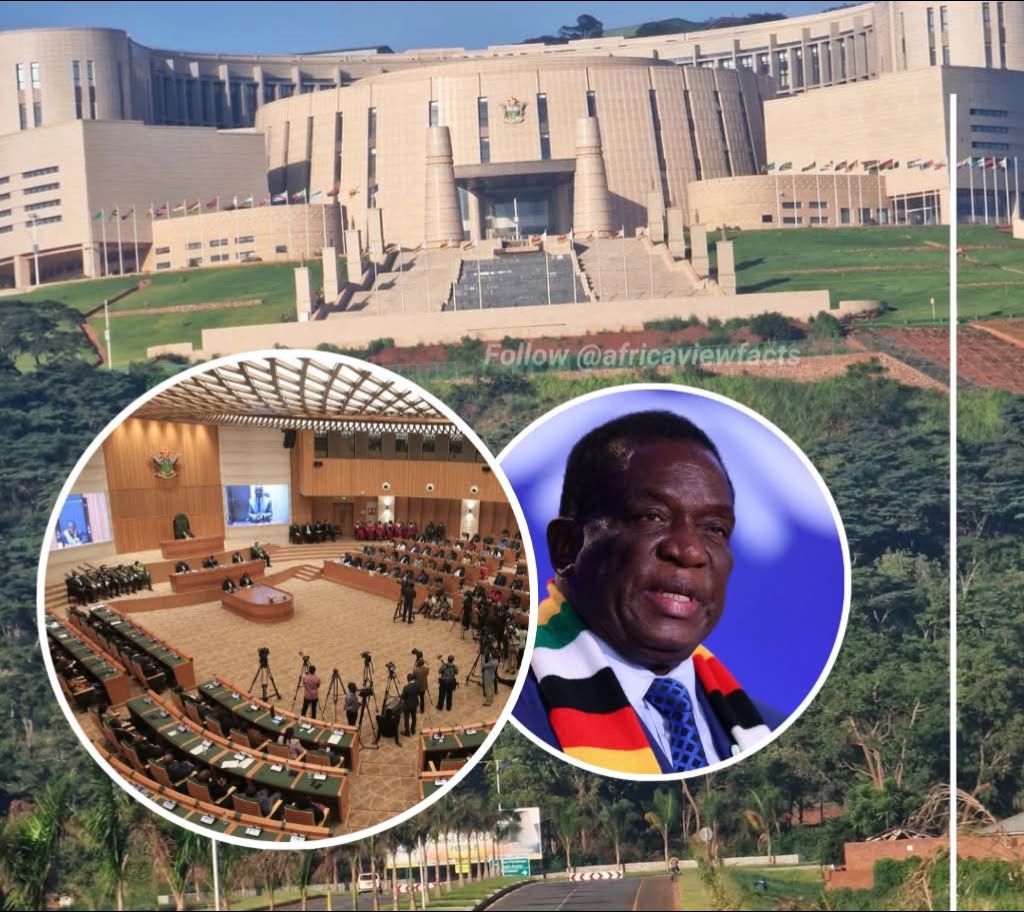
Something Big is About to Happen in This Africa Nation, Read What the Parliament Plans to do
Zimbabwe is weighing a significant constitutional shift that could fundamentally alter how its president is selected, sparking intense national debate over the future of its democracy.
Uchechi Okporie
Apr 06, 2026
Pope Leo XIV to Embark on 10-Day Pastoral Tour Across Africa (Check List of Countries and cities he will visit)
Pope Leo XIV will undertake his first pastoral visit to Africa from April 13 to April 23, 2026, marking a significant milestone for his pontificate and the global Catholic Church.
Trending
Apr 22, 2026
Deal Sealed, Okowa Reportedly Snubbed: Nwoko, Omo-Agege, Joel-Onowakpo Positioned to Grab Delta APC Senatorial Tickets
Admin User
Apr 18, 2026
Nigeria Boils as Government Moves to Release 744 ‘Repentant Terrorists’ Back Into Society
Uchechi Okporie
Apr 19, 2026
Breaking News: Nigeria Opposition Erupts as Government Moves to Reintegrate 800 Former Terrorists into Communities
Uchechi Okporie
Apr 22, 2026
After Executive Approval, China Show, $15m Seed Fund: Where's Okowa's Kwale Industrial Park?
Admin User
Apr 21, 2026
President Tinubu Takes Shocking Decision Against Two Powerful Nigerians, and Here's What Happened
Uchechi Okporie
Apr 18, 2026
Iran Threatens US at Sea as Supreme Leader Declares Navy Ready to Crush America
Uchechi Okporie
Apr 18, 2026
Nigeria Rejects Ethnic Narrative After Citizen Extradited to UK, Igniting Global Debate
Uchechi Okporie
Apr 22, 2026
BREAKING: Abia Governor Appoints Wife of His Major Political Opponent to Chair Board of Critical Institution
Uchechi Okporie
Apr 17, 2026
BREAKING NEWS: Burundi Communications Minister Dies in Road Accident, Presidency Confirms
Uchechi Okporie
Apr 22, 2026
BREAKING: Omo-Agege Makes Bold Declaration for Delta Central Senate
Uchechi Okporie
Apr 20, 2026
Breaking News: Nigeria Opposition Party Crisis Explodes as Wike-Loyal PDP Faction Holds Emergency NEC Meeting in Abuja
Uchechi Okporie
Latest Stories
Apr 23, 2026
Nigeria’s Ruling Party Delays Presidential Primary as 2027 Election Race Intensifies
Uchechi Okporie
Apr 23, 2026
Corruption, Transparency, and the Cost of Weak Institutions in Africa
Uchechi Okporie
Apr 23, 2026
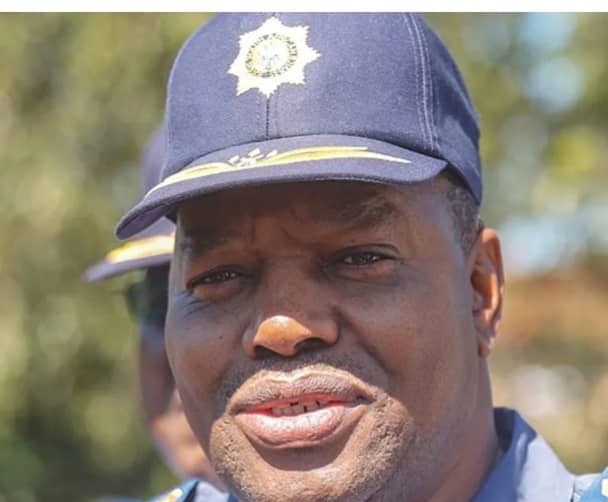
President Suspends Police Chief Over Role in Alleged Diversion of $13.8m Healthcare Contract Funds
Uchechi Okporie

Apr 23, 2026
Next Africa Daily: A Rising Voice in African Digital Journalism
Uchechi Okporie

Apr 23, 2026
WORLD SHOCKER: Surviving Iranian Sailor Claims US Tried to Wipe Out Crew of Sunken Warship
Uchechi Okporie
Apr 23, 2026
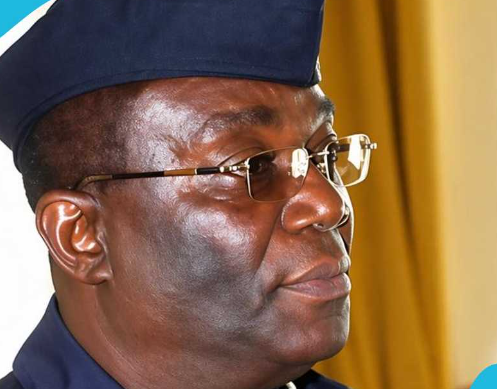
BREAKING: Ghana Mourns Former Police Chief Paul Tawiah Quaye as Africa Pays Tribute to a Security Statesman
Uchechi Okporie
Apr 23, 2026
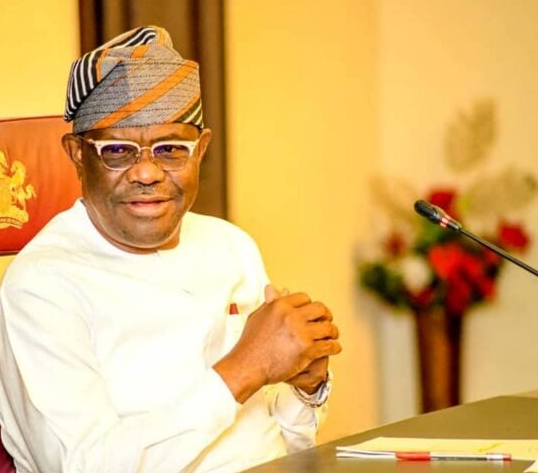
Breaking News: Nigeria’s Wike Waives Land Title Fees for Law School in Bold Move to Strengthen Legal Education
Uchechi Okporie
Apr 23, 2026
BREAKING: Political Earthquake in Nigeria ,Tinubu Unleashes ₦17 Billion “Grassroots Power Fund” Across 8,804 Wards
Uchechi Okporie
Apr 23, 2026
BREAKING NEWS: Nigeria Election Drama Deepens as Supreme Court Case May Keep ADC Off Ballot
Uchechi Okporie
Apr 23, 2026
West Africa Moves to Power Digital Revolution as Telecom Chiefs Forge New Alliance in Lomé
Uchechi Okporie
Apr 23, 2026
World on Edge: Iran Keeps Hormuz Closed, Defies US Blockade as Global Oil Markets Shake
Uchechi Okporie